OpenAI’s Meeting‑Room Audio Flaw Exposes $13.99 DIY Hack Device for Hobbyists
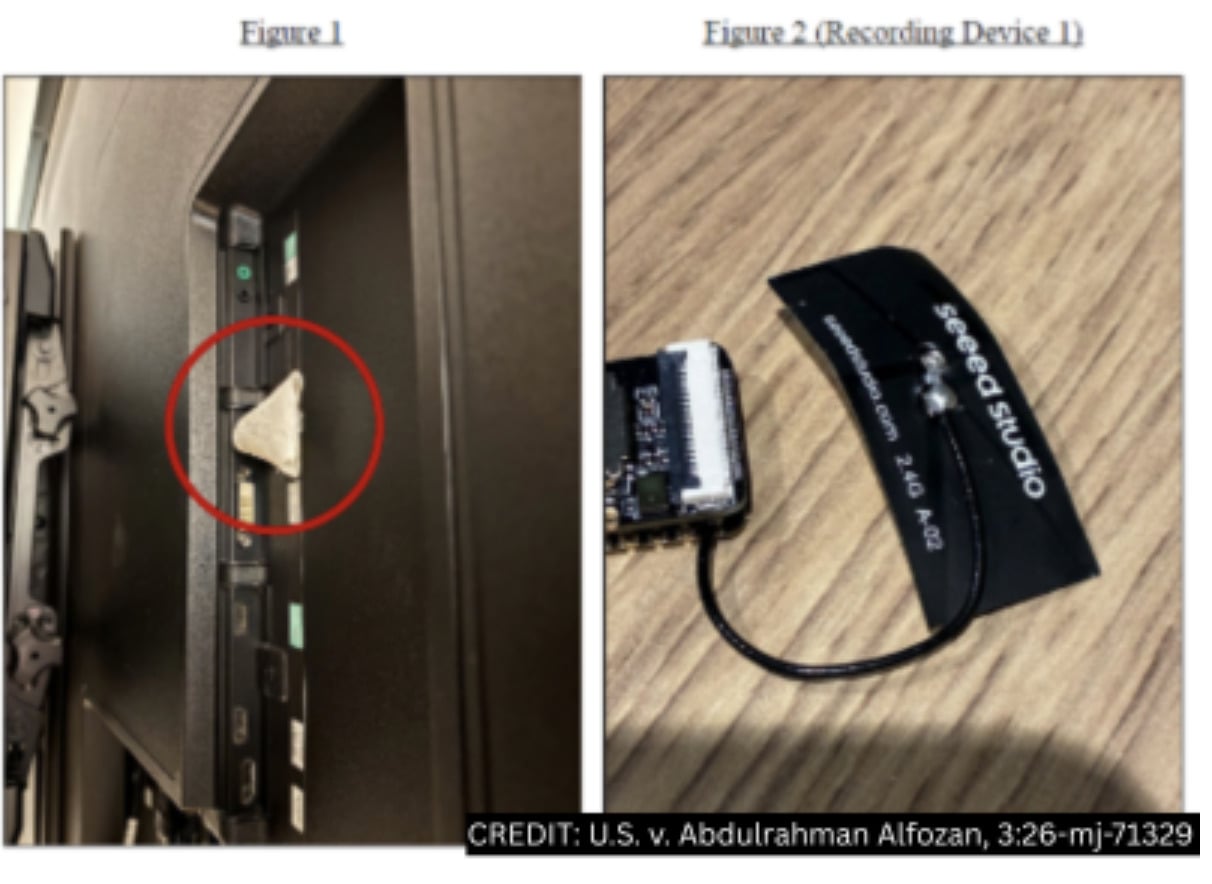
A recent audit by OpenAI’s internal security group revealed a “sophisticated” audio vulnerability inside the firm’s own conference room, pinpointing the cause to a miniature development board available online for merely $13.99.
The device identified is the Seeed Studio XIAO ESP32‑S3 Sense, a pocket‑sized board that houses dual microphones, Wi‑Fi, Bluetooth and a robust ESP32‑S3 microcontroller. Aimed chiefly at makers, educators and hobbyist developers, it is designed for applications from voice‑activated tools to experimental AI prototypes.
The report notes that the OpenAI staff uncovered the issue during an audit of the room’s audio setup. When loaded with custom firmware, the XIAO board can transmit raw audio to an external server without raising standard security warnings, essentially converting an innocuous development kit into an invisible listening device.
Security experts argue that the finding highlights the potential for cheap, off‑the‑shelf electronics to be repurposed for spying. While the board’s low cost makes it reachable for hobbyists, its functions also generate worries for corporate settings where private talks are common. The episode reinforces that “consumer‑grade” gadgets can become genuine hazards when combined with malicious software.
The ESP32 series has turned into a mainstay for makers thanks to its affordability, open design and strong wireless capabilities. Seeed Studio’s XIAO range extends that legacy with a tiny form factor and integrated sensors, serving developers seeking a versatile platform for fast prototyping. Yet those very qualities that appeal to innovators also reduce the threshold for abusive use.
In reaction, cybersecurity specialists are advising firms to perform routine scans of meeting rooms, implement stringent device‑management rules, and explore acoustic‑shielding measures when handling sensitive data. At the same time, makers such as Seeed Studio are being called upon to issue clearer responsible‑use guidance and embed safeguards that can spot unauthorized firmware changes.


Comments (0)
Be the first to comment.
Join the discussion