Mini DisplayPort Loses Ground to USB‑C and Thunderbolt
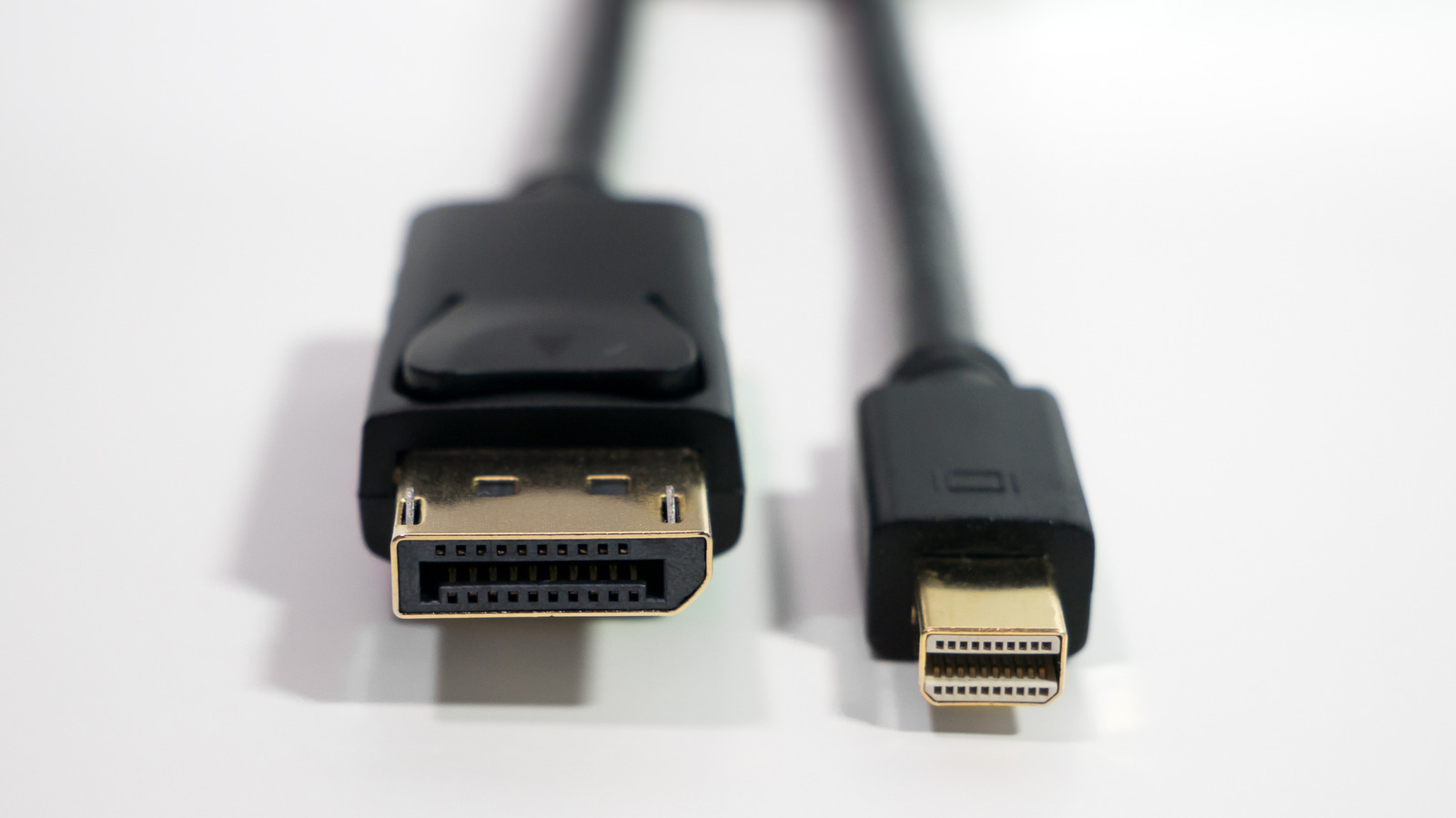
Once a common feature on many laptops and desktops, Mini DisplayPort is swiftly vanishing from recent devices as makers shift to newer connection standards that offer higher bandwidth and more flexibility.
Apple launched the miniaturized port in 2008 as a smaller alternative to the full‑size DisplayPort, and it quickly caught on throughout the industry. Its compact size suited ultrathin notebooks, and it handled high‑resolution video and audio, letting users hook up external monitors, projectors and HDTVs with a single cable.
In the subsequent years the connector appeared on hardware from major PC manufacturers, often alongside HDMI and conventional USB‑A ports. Yet the emergence of USB‑C and the adoption of Thunderbolt have chipped away at Mini DisplayPort’s relevance. USB‑C carries video, audio, power delivery and data over one reversible plug, easing cable clutter for users and simplifying production for OEMs.
Thunderbolt, co‑developed by Apple and Intel, leverages the USB‑C form factor while delivering markedly higher throughput—up to 40 Gbps in its newest version. Because Thunderbolt ports can natively convey DisplayPort signals, many modern laptops simply label the socket as USB‑C/Thunderbolt, effectively absorbing Mini DisplayPort’s role without a distinct connector.
For those still using devices that depend on Mini DisplayPort, the shift presents a practical hurdle. Existing accessories continue to work, but obtaining new gear often means employing adapters or dongles that translate USB‑C or HDMI back to Mini DisplayPort. Although such adapters are widely available, they introduce extra expense and possible failure points, nudging users toward fully compatible equipment.
The move mirrors wider currents in the computing world, where converging on a single, multifunctional port is viewed as a means to streamline design and enhance user experience. Analysts observe that the USB‑C consolidation dovetails with regulatory efforts in some regions to curb electronic waste by limiting the proliferation of proprietary connectors.
Looking forward, the chances of Mini DisplayPort resurfacing in mainstream products seem slim. Unless a niche segment—such as legacy professional audio‑visual gear—maintains enough demand, manufacturers are likely to keep retiring the port in favor of the more capable USB‑C/Thunderbolt options. Current devices will stay supported for the foreseeable future, but upcoming product lines are set to leave Mini DisplayPort behind.


Comments (0)
Be the first to comment.
Join the discussion