Smartphone Shipments Hit 14‑Year Low as RAM Shortage and Shifting Consumer Behavior Take Toll
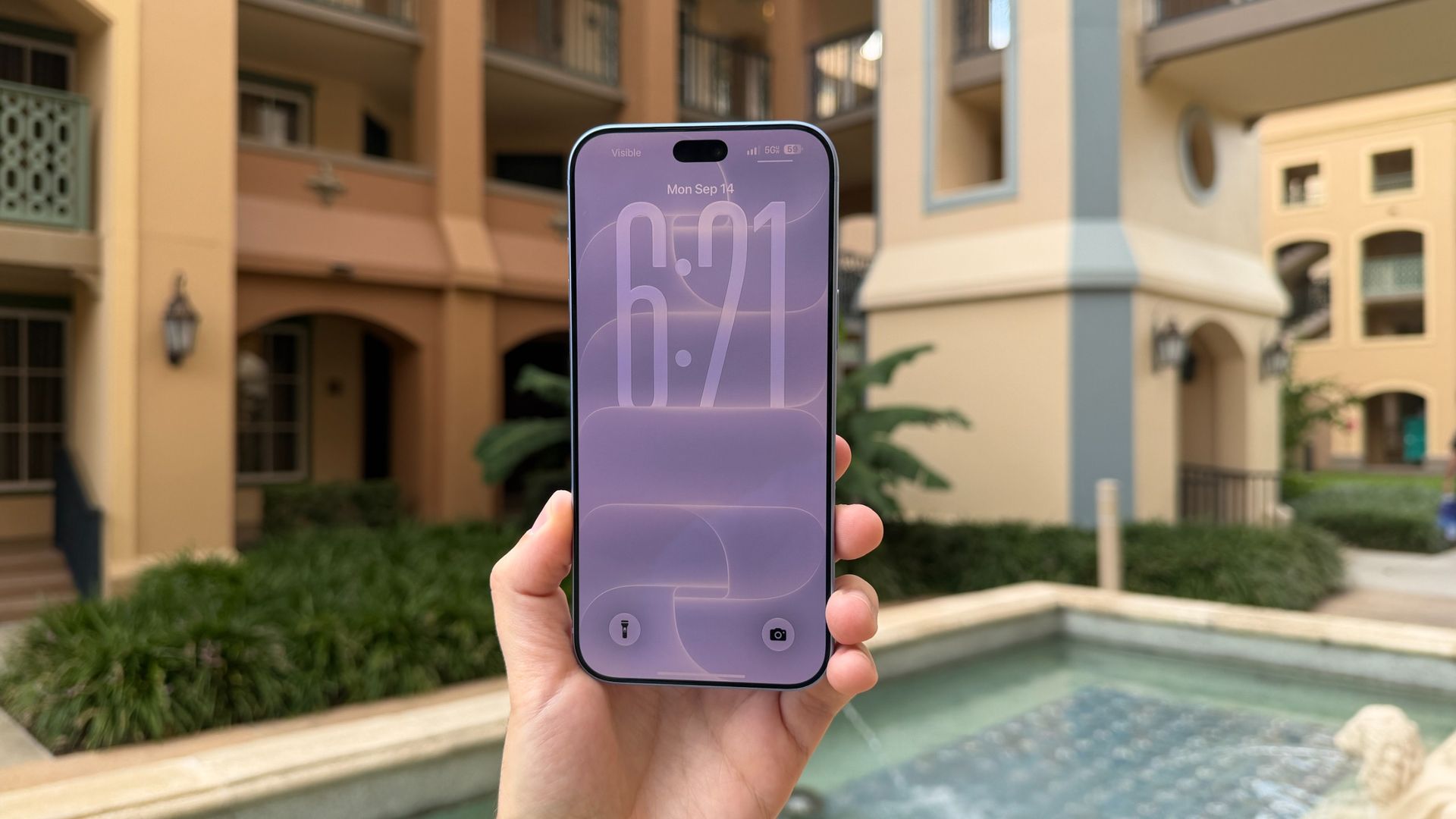
Worldwide smartphone shipments have plunged, with Counterpoint Research noting a 20 % decline versus the same quarter a year earlier. This contraction represents the smallest volume for the segment in 14 years, highlighting a significant deceleration in a sector traditionally propelled by yearly upgrade cycles.
Analysts point to a global shortage of random‑access memory (RAM) as the chief driver. Scarcity of high‑capacity chips—also coveted for laptops, servers and emerging AI devices—has compelled many makers to curtail production runs or postpone new releases. The bottleneck has hit the mid‑range tier especially hard, where larger RAM configurations have become a key selling point.
Concurrently, users are keeping their current phones longer. Economic uncertainty, rising retail prices and better software support have nudged buyers to defer upgrades. Surveys indicate a growing proportion of consumers are content with devices that are two or three years old, cutting the churn that historically fuels shipments.
These patterns emerge after several years of solid growth, during which the market rebounded from the pandemic‑induced slowdown and expanded in emerging economies. Yet saturation in mature markets such as North America and Europe, together with the rise of refurbished and second‑hand phones, has begun to shrink the pool of first‑time purchasers. The present dip therefore reflects both supply‑side constraints and a shift in demand dynamics.
Looking forward, manufacturers are expected to tweak their approaches. Some may lean into higher‑margin flagship models that can absorb steeper component costs, while others might target cost‑effective units for price‑sensitive regions. Observers will watch the RAM supply chain closely; a fix could revive production capacity and reignite growth, whereas a prolonged shortage might hasten the move toward longer device lifespans and alternative buying models.


Comments (0)
Be the first to comment.
Join the discussion