New Forest Cicada Eggs Return to UK, Kicking Off Reintroduction Campaign After Decades-Long Absence
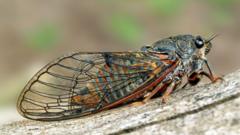
The UK has successfully received eggs of the New Forest cicada, an insect whose unique call has been missing from the nation's soundscape for many decades. This important milestone signifies a vital stage in a bold reintroduction initiative spearheaded by the Species Recovery Trust, which seeks to bring the species back to its natural environment.
Formerly a distinctive inhabitant of the UK, the New Forest cicada (Cicadetta montana) primarily thrived within the historic woodlands of the New Forest. The last verified observation of this creature occurred in the 1990s, leading to its subsequent declaration of extinction within the area. While the precise causes of its vanishing are intricate, they are commonly linked to the deterioration of its habitat and alterations in the environment impacting its specialized ecological role.
Famed for its exceptionally loud and high-frequency song, which certain human ears struggle to perceive, this cicada stands as Europe's sole indigenous cicada species. Its life cycle is remarkably protracted; nymphs reside beneath the earth for multiple years, feeding on tree roots, prior to surfacing as adults for a short interval to reproduce and deposit eggs. The existence of such highly specialized insects frequently serves as a prime indicator of a flourishing, biodiverse ecosystem.
This complex undertaking has been spearheaded by the Species Recovery Trust, which has painstakingly orchestrated the cicada's comeback via its egg phase. This preliminary stage is paramount, given that successful incubation and the ensuing development of the nymphs will be crucial for assessing the initial feasibility of the reintroduction initiative. The overarching objective is to create a self-perpetuating population, thereby guaranteeing the species' enduring existence within the UK.
Bringing a species back, especially one possessing such a particular life cycle and exact habitat needs, poses many difficulties. Meticulous oversight of prospective release locations, safeguarding against predators, and guaranteeing ideal environmental circumstances will be essential for the project's triumph. The trust is expected to closely observe the progression of the eggs and nymphs, with subsequent intentions to introduce juvenile cicadas into carefully chosen locales within their ancestral territory.
The arrival of the New Forest cicada eggs signifies more than simply the prospective revival of one species; it embodies a reinvigorated dedication to counteracting biodiversity decline. A triumphant reintroduction could open doors for comparable undertakings, underscoring the significance of committed conservation endeavors in reinstating ecological equilibrium and enhancing the UK's natural legacy for generations to come.


Comments (0)
Be the first to comment.
Join the discussion