Citizen Photos Fuel Coastal Climate Research: Everyday Images Transform into Scientific Data
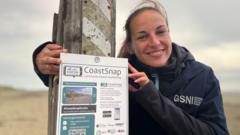
In a novel method for tracking environmental changes, researchers are leveraging common photographs to enhance their comprehension of how climate change impacts shorelines worldwide. This joint venture converts ordinary beach pictures into crucial scientific information, by engaging the general public as an extensive network of citizen scientists.
The project, first brought to attention by BBC Science, acknowledges that millions of images captured by individuals visiting beaches across many years and decades provide an unmatched visual history. Such photographs are capable of uncovering nuanced but important modifications to coastal areas, for example, movements in sand dunes, variations in beach expanse, erosion trends, and the appearance or disappearance of landforms, each serving as a vital sign of coastal development shaped by changes in climate.
Historically, maintaining continuous, extended oversight of extensive coastal regions poses substantial logistical and economic hurdles for scientific organizations. Through encouraging people to submit their private photo collections or present-day observations, scientists obtain a geographically varied and historically deep collection of data that would be otherwise unattainable. Every photograph submitted, once documented with its specific location and capture date, transforms into a data element, enriching the broader understanding of coastal susceptibility.
The knowledge gleaned from this visual proof is essential for grasping the tangible effects of a shifting climate. With rising sea levels and the increasing frequency of severe weather occurrences, such as intense storms, coastal zones experience heightened erosion and depletion of natural habitats. Grasping these evolving processes via firsthand observation is crucial for devising successful preservation tactics, guiding city development, and safeguarding coastal populations and environments.
This public participation science framework makes scientific inquiry more accessible, enabling anyone possessing a camera and a dedication to the environment to contribute directly to tackling a critical worldwide issue. The combined contributions of innumerable people sharing their photographic evidence establishes a strong, dispersed tracking mechanism that supplements conventional scientific approaches, offering extensive reach and historical perspective.
Moving forward, the triumphs of these kinds of ventures highlight the capacity for public involvement in extensive environmental investigations. Given that climate change persists in altering our world, ongoing and broad observation will stay essential. Undertakings of this nature set the stage for sustained public contributions, guaranteeing a consistent flow of information to monitor the enduring patterns impacting our susceptible shorelines.
In conclusion, converting vacation recollections into scientific understanding signifies a potent blend of technology, communal effort, and ecological responsibility. This illustrates how seemingly minor deeds, when gathered and examined, can produce deep insights, assisting scientists in more effectively forecasting, readying for, and lessening the extensive repercussions of a warming globe on our invaluable coastal ecosystems.


Comments (0)
Be the first to comment.
Join the discussion