Meta’s New VR Glasses Hint at a Possible Revival of Immersive Gaming
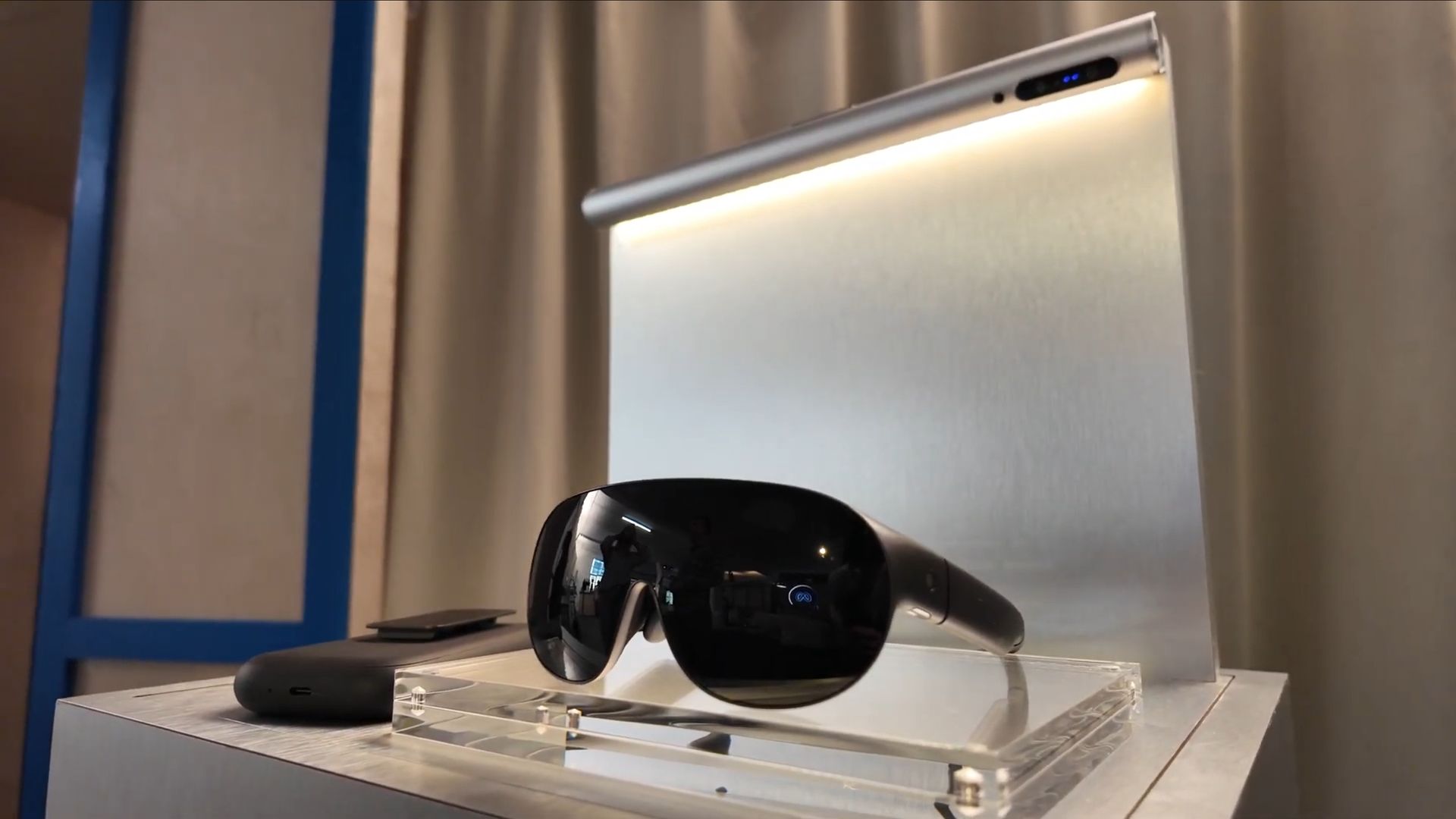
This week, Meta Platforms introduced its newest mixed‑reality headset, reigniting discussion over whether virtual reality (VR) can recapture the surge it experienced during the pandemic, which had driven the Oculus Quest 2 to bestseller ranks.
The Quest 2’s 2020 debut coincided with a perfect storm—worldwide lockdowns, low pricing, and an expanding catalog of easy‑to‑play titles—that turned it into the default gateway for millions of newcomers. Shipment figures and app‑download statistics from that era reveal a pronounced jump in hardware sales and downloads, setting a peak the sector has found difficult to replicate as life normalizes.
Meta’s freshly announced glasses seek to counter the post‑pandemic slowdown by merging light optics with a more open form factor, cutting down the heft that put off many users of previous headsets. According to Meta engineers, the gadget works either independently or as a smartphone add‑on, which could broaden its draw from hardcore gamers to casual users and business clients alike.
Analysts observe that consumer expectations have evolved. Although cost is still important, shoppers now value comfort, straightforward setup, and fluid movement between augmented and virtual modes. Meta’s focus on “mixed reality” mirrors a wider industry movement where makers are merging the two experiences to reach a broader market.
Critics warn, however, that hardware upgrades alone won’t guarantee success. A vibrant content ecosystem, strong developer backing, and solid distribution networks are vital for lasting expansion. The Quest 2 thrived thanks to a rich selection of games, fitness programs, and social platforms that retained users; reproducing that breadth will be a challenge for Meta’s latest device.
Beyond consumer interest, business uptake could serve as a lifeline. Firms are progressively testing VR for training, design visualization, and remote teamwork, areas where Meta’s enterprise‑oriented capabilities might gain ground. Should the glasses prove versatile for both professional and recreational use, they could secure a niche that offsets any deficit in pure entertainment revenue.
Going forward, observers will monitor the headset’s launch for initial sales data, user feedback, and how quickly developers embrace the platform. If Meta can provide an attractive blend of price, comfort, and content, it may reignite the excitement that once made VR a common household term during lockdowns.
At present, the sector stands at a crossroads, weighing the insights from a pandemic‑fuelled boom against the realities of a post‑COVID marketplace. Meta’s newest glasses constitute a strategic bet: they could either mark progress toward a durable VR future or become another missed chance in an arena that has repeatedly failed to turn hype into enduring adoption.



Comments (0)
Be the first to comment.
Join the discussion