Polestar’s US Sales Blockade Doesn’t Cool Enthusiasm for Its Audacious Formula 2030 Concept
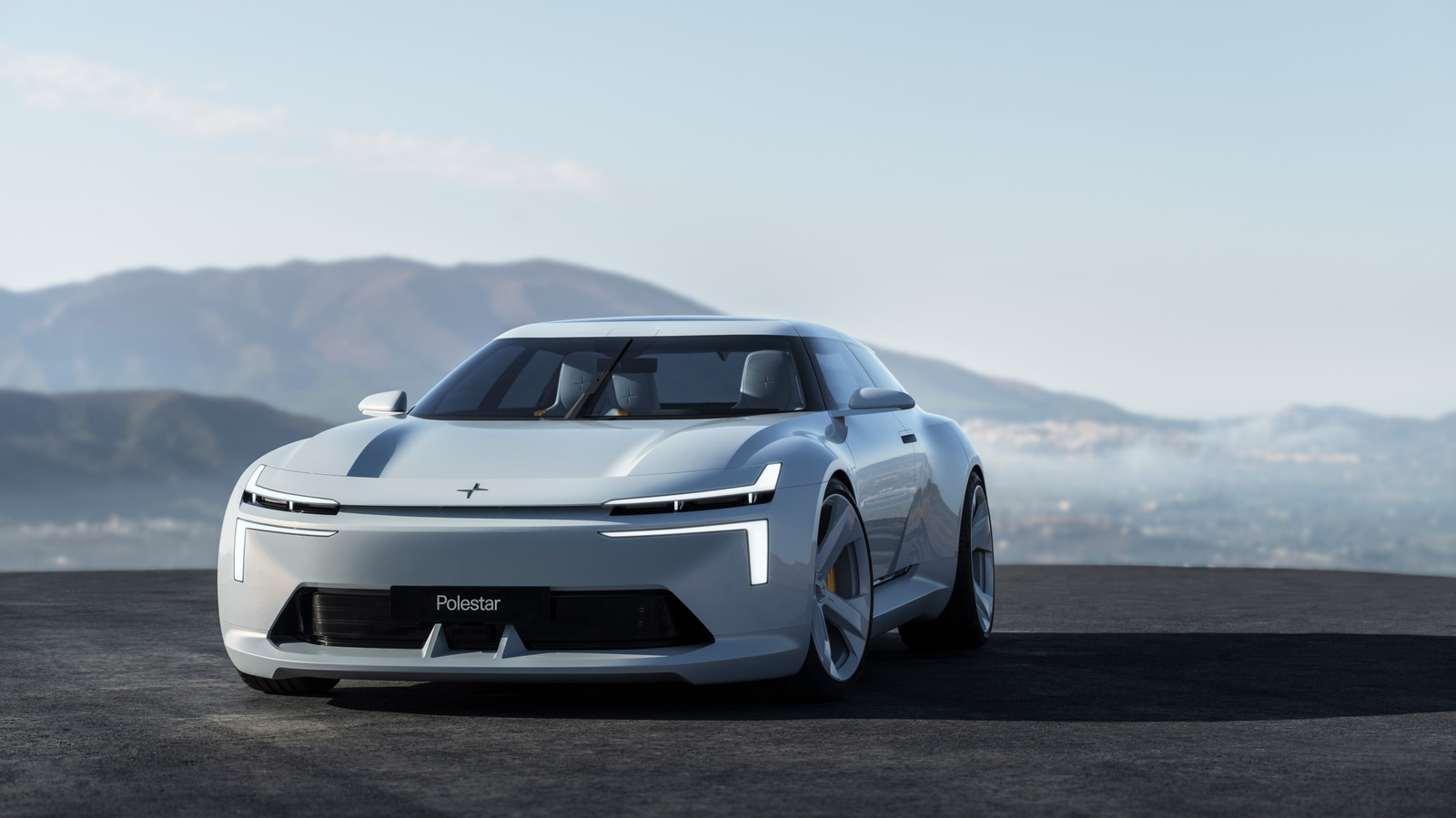
Although Polestar cannot currently sell vehicles in the United States, its latest concept, the Formula 2030, has captured considerable interest from fans and industry watchers alike. Unveiled at a recent showcase, the prototype immediately distinguished itself with an unconventional interior layout and distinctive driver‑assistance hardware.
The prohibition arises from lingering regulatory issues that have stopped the Swedish‑Chinese automaker, owned by Volvo and Geely, from bringing its cars into the U.S. market. While the ban prevents direct consumer purchases, it has not dampened curiosity about the company’s forward‑looking engineering, especially among a market that closely tracks electric‑vehicle breakthroughs.
The Formula 2030 concept brings several unique elements to the table. Its seats consist of an inflatable framework that can modify shape and firmness for each rider, offering a mix of comfort and crash‑energy management. A pop‑up LiDAR sensor is embedded in the front fascia, extending only when the vehicle’s autonomous systems demand high‑resolution mapping. Moreover, the cabin retains tactile physical buttons, a tribute to drivers who prefer haptic feedback over touchscreen interfaces.
These choices mirror a wider industry shift toward re‑thinking how drivers engage with increasingly automated cars. Manufacturers are testing alternatives to the all‑screen dashboards that dominate today’s EVs, aiming to cut driver distraction while still delivering rich data for autonomous functions. Inflatable safety components and modular sensor suites could also help meet evolving safety standards without sacrificing interior volume.
Looking forward, the Formula 2030 could shape Polestar’s upcoming production models even if the brand stays excluded from the U.S. for now. Analysts argue that clearing the regulatory deadlock might pave the way for the concept’s technologies to reach American buyers, while the prototype itself acts as a proof‑of‑concept for the company’s long‑term vision of adaptable, safety‑centric design.



Comments (0)
Be the first to comment.
Join the discussion