How to Identify Fake GPUs and Dodge Expensive Frauds
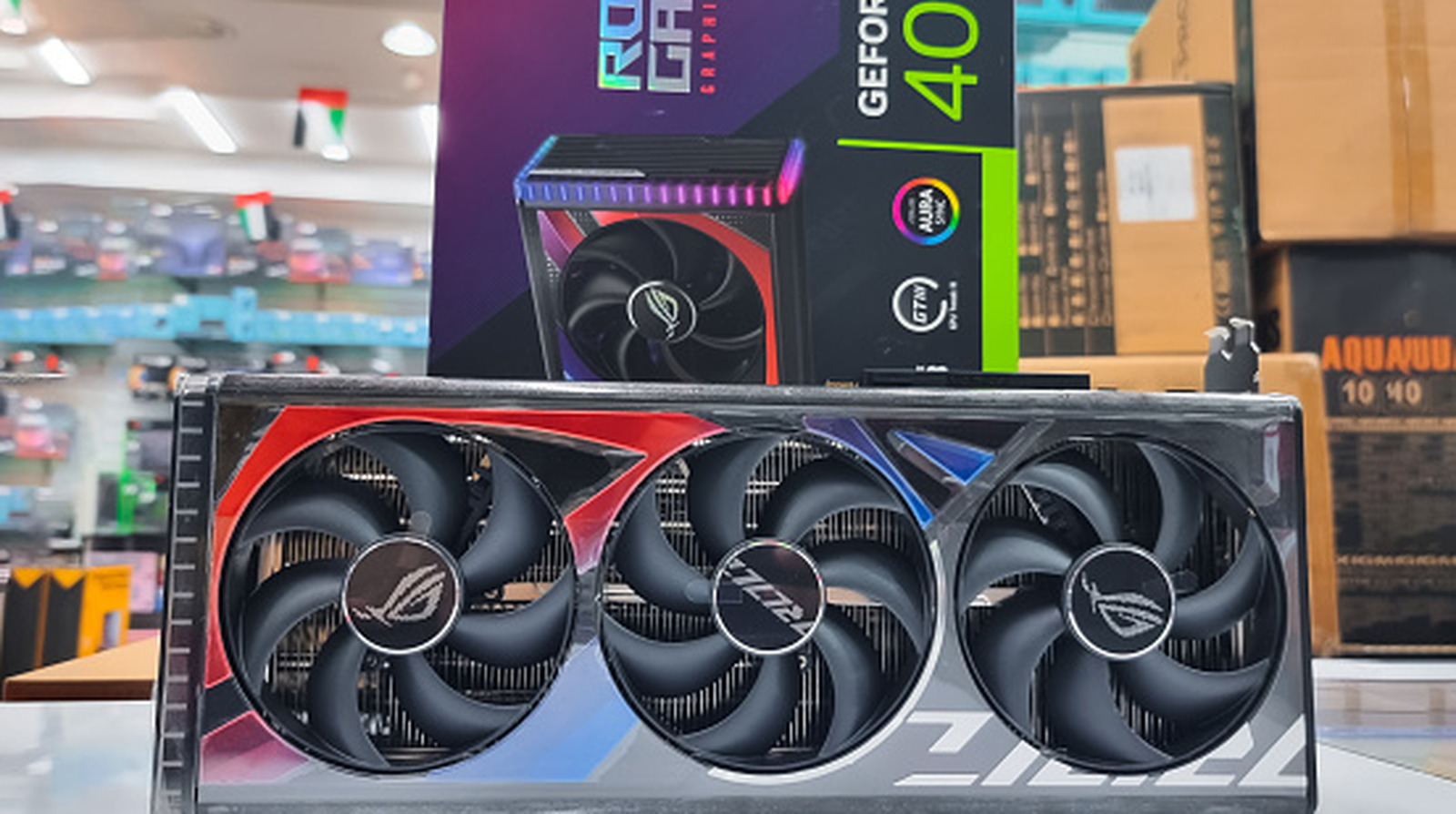
Shoppers searching for a graphics‑card upgrade are increasingly running into fraudulent listings, prompting specialists to compile a checklist of red flags. With demand for high‑performance GPUs still outstripping supply, dishonest sellers are taking advantage of the market by promoting new‑generation cards at prices that appear too good to be true. Consequently, reports have risen of buyers receiving hardware that never arrives or that shows up as a non‑functional knock‑off.
A particularly telling sign of a scam is a tracking number that never updates or that records delivery to an address the buyer never used. Scammers often fabricate shipping data that looks authentic at first glance, yet the package never reaches the purchaser. Moreover, ads that omit the manufacturer’s serial number—or list a number that does not match the label on the card—should immediately raise suspicion.
Beyond deceptive shipping, counterfeit GPUs commonly suffer from hardware flaws that are difficult to detect before installation. Missing or mismatched memory dies, altered BIOS firmware, and inferior cooling solutions are typical. These issues may appear as driver crashes, diminished performance, or a card that simply refuses to boot. Utilities such as GPU‑Z can expose gaps between the advertised specifications and the actual hardware, allowing buyers to spot inconsistencies early.
Consumer‑advocacy organisations advise several verification steps. Purchasers should compare the packaging, holographic seals, and serial stickers with images posted on the official manufacturer’s website. Buying from authorized retailers or directly from the brand’s own storefront dramatically cuts the risk. When a deal is listed on a peer‑to‑peer marketplace, asking for detailed photographs of the card, its serial number, and the original receipt can add an extra layer of confidence.
The stakes are considerable, as a fake GPU can mean a loss of several hundred dollars and, in some instances, expose users to malware hidden in rogue firmware. While the industry strives to alleviate supply shortages, regulators and e‑commerce platforms face pressure to tighten verification procedures and clamp down on repeat offenders. Until wider safeguards are implemented, vigilance remains the most effective protection for shoppers hunting a genuine graphics card.



Comments (0)
Be the first to comment.
Join the discussion