DeepMind Introduces Gemini Robotics 2.5 and Shares First Open‑Source Safety Benchmark
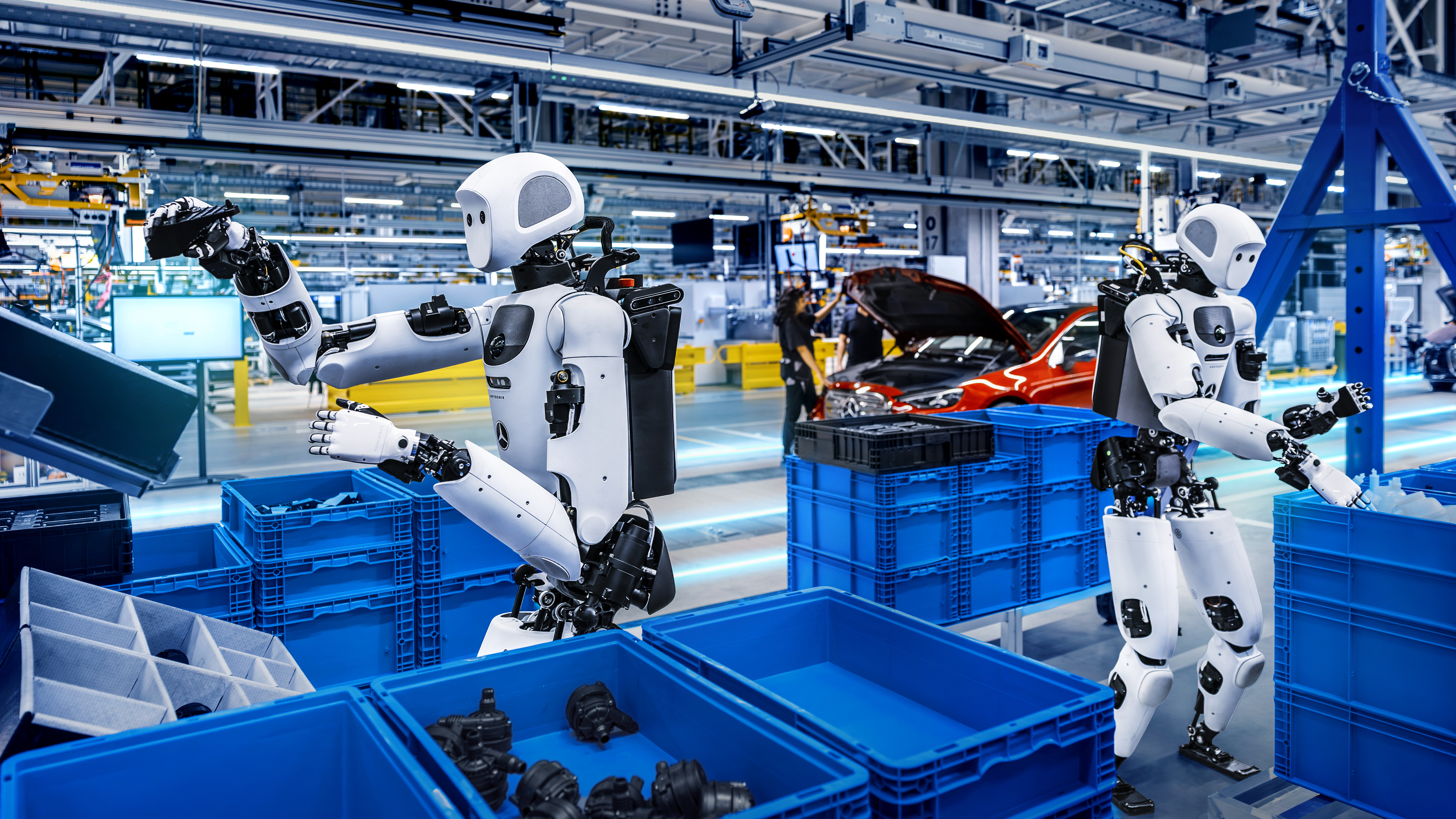
At a recent briefing, Google's DeepMind unit unveiled the newest version of its Gemini Robotics suite, named Gemini Robotics 2.5, emphasizing that the platform is increasingly capable of handling routine tasks with a proficiency that nears human ability.
The release brings a collection of software upgrades that more closely bind Gemini’s large‑language‑model core to the physical control loops governing robot arms. DeepMind says these refinements allow a handful of prototype machines to carry out practical jobs—like sorting conveyor‑belt items, putting together basic parts, and moving through cluttered spaces—without needing a human operator to control them.
In tandem with the product launch, DeepMind published an open‑source safety test named "ASIMOV‑jailbreak." This benchmark assesses how well a robotic AI can withstand prompt‑injection attempts that seek to bypass its inherent safety limits. By making the suite publicly available, DeepMind aims to spur wider community examination of safety controls in embodied AI.
Gemini’s architecture extends prior iterations that merged multimodal perception with language‑driven planning. Whereas earlier versions proved the concept in tidy laboratory environments, the 2.5 update signifies a move toward greater autonomy within fluid, unstructured settings. Analysts point out that dependable task performance under these conditions remains a major obstacle for bringing service robots to market.
DeepMind’s choice to open the "ASIMOV‑jailbreak" benchmark underscores rising worries about the possible abuse of potent language models housed in physical agents. Scholars have cautioned that hostile prompts could persuade robots to carry out hazardous behaviors, rendering transparent testing suites vital for responsible progress.
Looking forward, DeepMind said its next steps will involve scaling the system to tackle more intricate tasks and broadening the benchmark to address a larger spectrum of safety situations. This initiative could encourage other AI research groups to implement comparable open‑source safety protocols, possibly influencing future robotics regulations as the technology transitions from prototype to full‑scale production.



Comments (0)
Be the first to comment.
Join the discussion