Guilfoyle Says White House Was Fooled by AI‑Crafted Donor Texts, Administration Remains Skeptical
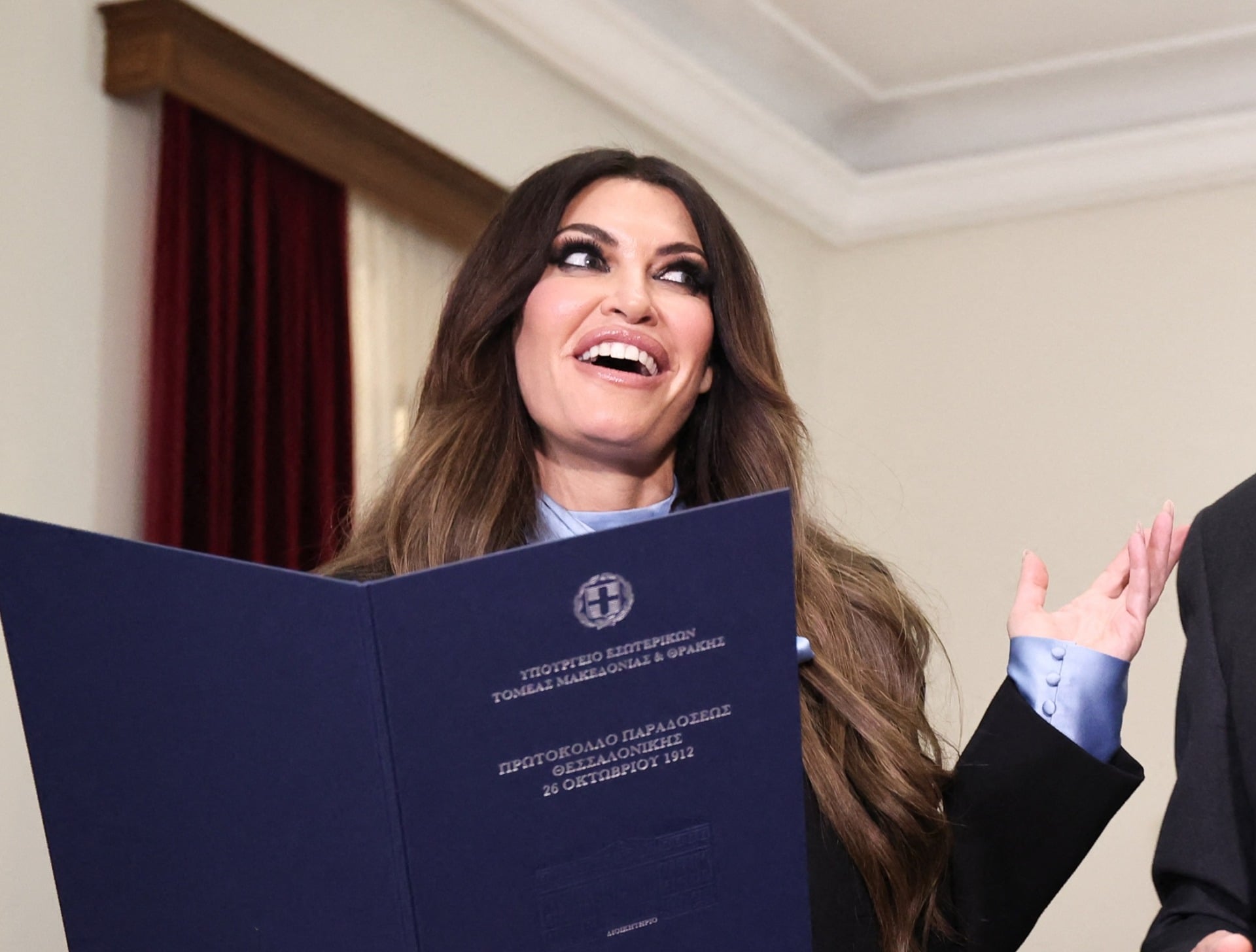
TV commentator and ex‑political operative Kimberly Guilfoyle informed top White House officials that a batch of donor‑targeted fundraising texts had been generated by artificial intelligence, a charge that the administration greeted with doubt.
A well‑known Republican figure and regular cable‑news guest, Guilfoyle brought up the matter in an early‑October briefing with senior staff, contending that the wording and layout of the solicitations—aimed at high‑net‑worth individuals—exhibited the tell‑tale signs of machine‑crafted text, implying an effort to mask the true origin of the outreach.
White House aides, however, reportedly voiced skepticism. According to insiders, officials highlighted the absence of forensic proof tying the messages to any known AI system and observed that the copy matched the standard fundraising phrasing the administration has employed in recent months.
The episode arrives as political fundraising practices face intensified scrutiny and AI tools become ever more common in communications. Although AI‑generated content is increasingly easy to produce, specialists warn that separating genuine messages from synthetic ones remains difficult without detailed analysis. The dispute underscores the friction between rapid tech adoption and the demand for transparency in political outreach.
Guilfoyle’s charge also sparks questions about third‑party donors and how their contributions are solicited. Recent election cycles have seen a surge in targeted text messages and digital ads, prompting calls for clearer disclosure rules. Should the texts indeed stem from an algorithm, it would point to a shift toward more automated fundraising tactics, which some critics say could undermine accountability.
The White House has yet to release an official statement either confirming or refuting Guilfoyle’s specifics. Spokespersons have stressed that the administration continues to follow established compliance procedures for all donor communications and that any anomalies would be examined under existing ethics guidelines.
The incident highlights the wider debate over AI’s role in politics. Lawmakers from both parties have introduced legislation aimed at regulating AI use in political advertising, yet agreement on practical enforcement remains out of reach. As technology advances, the ability to produce persuasive, large‑scale messages could transform how campaigns interact with supporters.
Observers point out that the absence of corroborating evidence may blunt the immediate impact of Guilfoyle’s remarks, but the case serves as a reminder that emerging technology can swiftly become entangled in partisan fights. Whether the claim spurs deeper investigation or fades from headlines will hinge on the administration’s readiness to audit its own outreach tactics and on watchdog groups’ willingness to seek verification.

Comments (0)
Be the first to comment.
Join the discussion