Googlebooks Debut Fuels New Debate on Chromebook Relevance
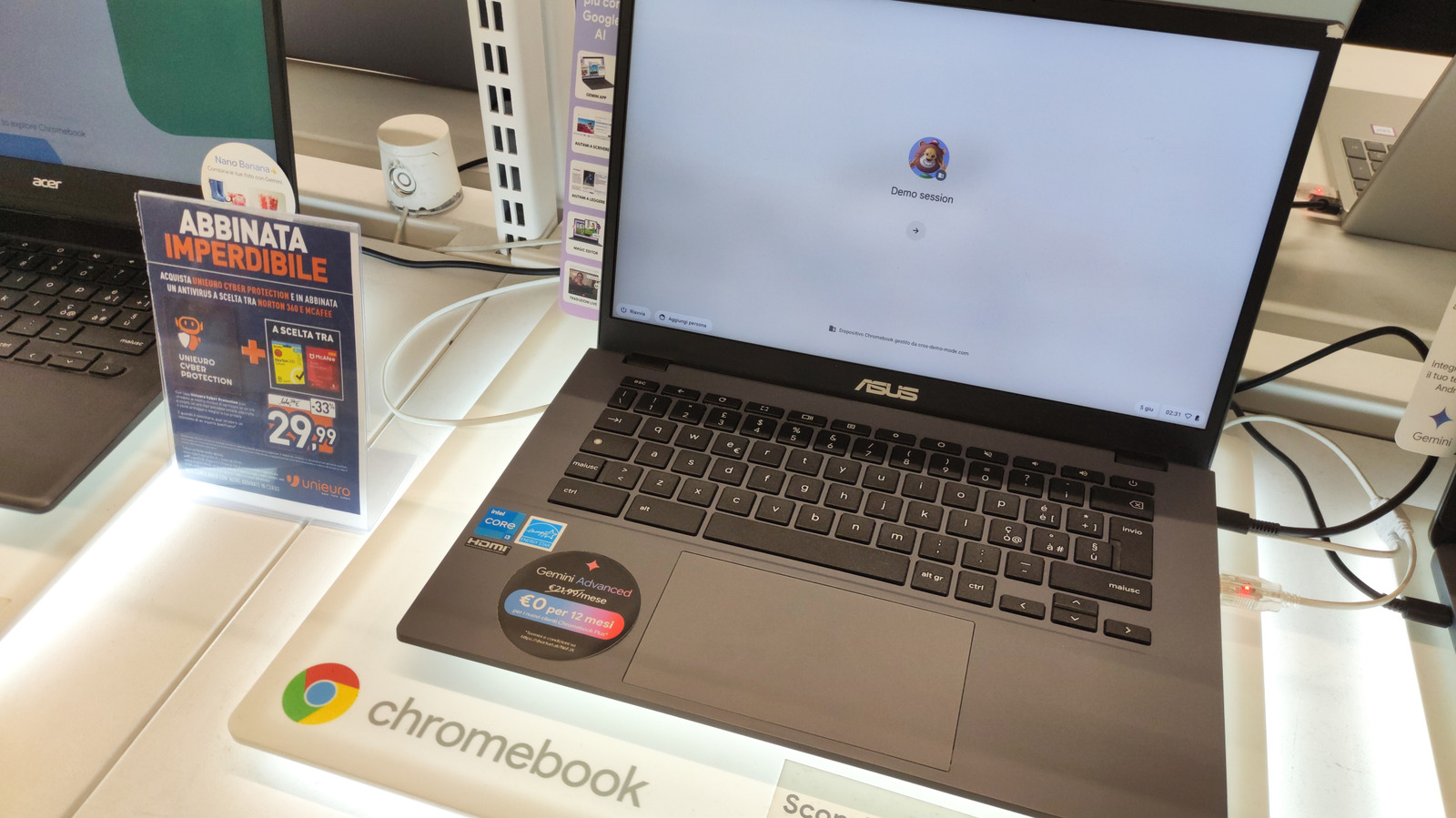
Googlebooks' latest launch—a cloud‑focused lineup touting quicker speeds and richer AI features—has reignited discussion about the relevance of the long‑standing Chromebook in 2024.
While still rooted in Chrome OS, Googlebooks layers on native AI utilities, sharper high‑resolution screens and broader peripheral compatibility, marking a noticeable upgrade over prior Chromebook versions. These machines arrive equipped with speedier CPUs, increased memory and bigger SSD capacities, enabling multitasking and creative tasks that once demanded a conventional laptop.
Even with those improvements, Chromebooks continue to hold a firm position across multiple markets. They remain attractive thanks to their low purchase price, easy school‑wide administration, and feather‑light chassis that comfortably handles web browsing, document work and video playback. Numerous school districts still depend on Chromebooks’ simplicity, valuing a dependable portal to Google Workspace over heavyweight processing capabilities.
When shoppers compare the two, cost and use case usually tip the scales. Googlebooks carries a higher price tag that mirrors its enhanced components, whereas Chromebooks are still sold by numerous makers at entry‑level rates. Those whose needs are limited to browser‑based tools, cloud files and occasional offline tasks might be well served by the older models, while power users seeking to run heavier web applications or native software stand to gain from the newer specifications.
This transition also ripples through the wider laptop arena. Google’s rollout of richer capabilities forces rivals to match the value proposition, yet the ongoing manufacture of Chromebooks indicates sustained appetite for low‑cost, secure, easily managed hardware—particularly in markets where budget considerations dominate buying choices.
Looking forward, analysts anticipate Google will keep polishing the Googlebooks series through periodic updates, while Chromebooks are expected to progress via modest hardware tweaks and deeper Android‑app integration. Potential purchasers should evaluate their workflow needs, weigh software‑support longevity, and compare total ownership costs before settling on the platform that best fits their requirements.



Comments (0)
Be the first to comment.
Join the discussion