Experts Warn That Aging USB Thumb Drives Are Unreliable for Long‑Term Storage, Recommend Backups
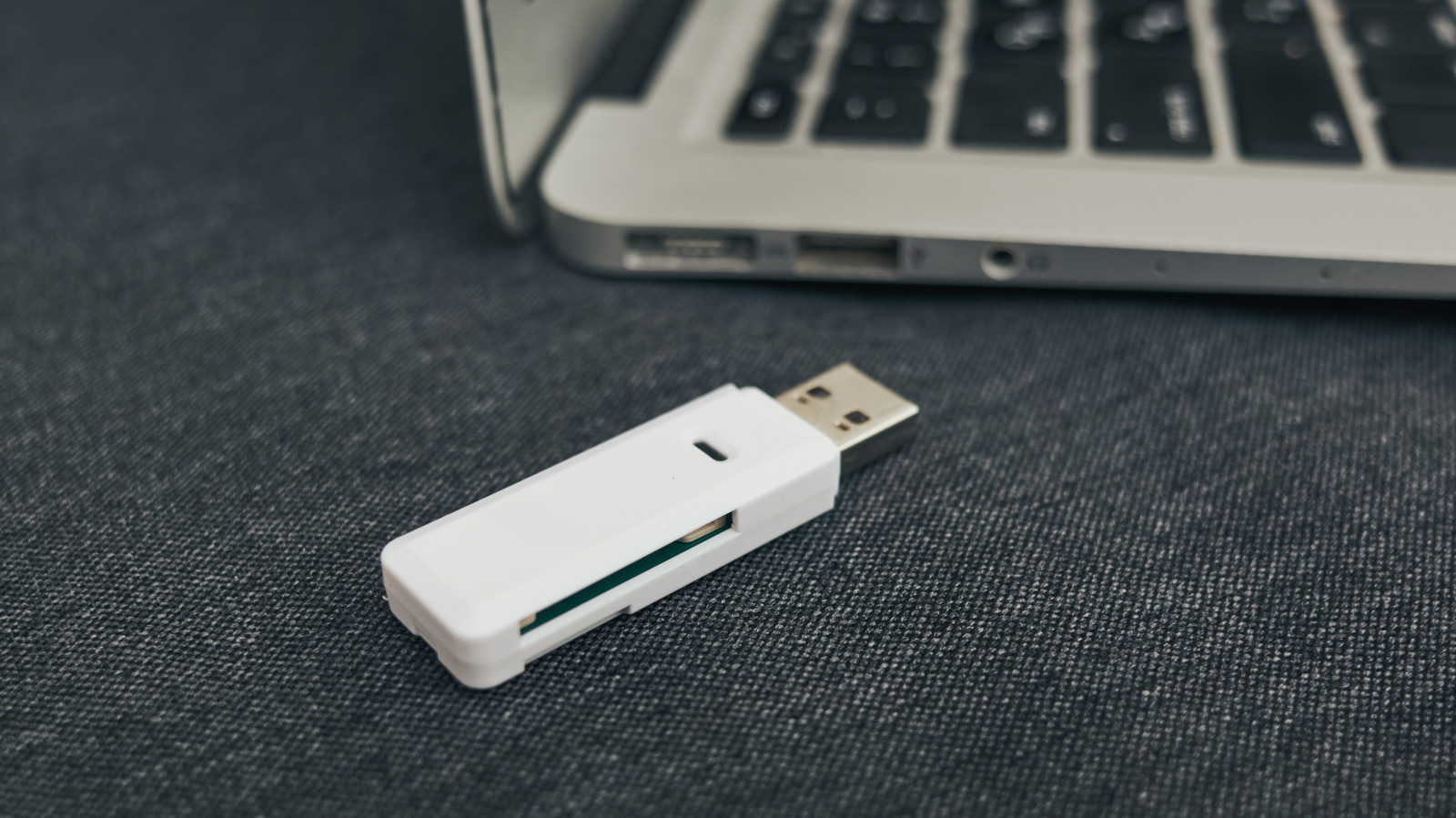
Although a thumb drive provides immediate portability for documents, photos and project files, numerous users fail to realize that older USB flash drives may grow unreliable as they age, making a secondary backup indispensable.
Data in flash memory resides in cells that survive only a limited number of program‑and‑erase cycles. First‑generation drives commonly employed lower‑grade NAND chips lacking sophisticated wear‑leveling, so individual cells can be rewritten many times, hastening wear and raising the likelihood of corruption.
Physical and environmental pressures further degrade performance. High temperatures, humidity, or frequent plugging and unplugging can wear down both the connector and the internal memory chips. In contrast to solid‑state drives engineered for constant operation, most consumer thumb drives were intended for occasional file transfers rather than long‑term archiving.
Incidents of data loss from aging drives have increased as users try to recover files stored years earlier. A failed drive can erase personal memories, legal paperwork, or essential work documents, highlighting the danger of relying on a single flash drive as a permanent storage solution.
Data‑safety experts advise a tiered strategy: retain the original on the thumb drive, copy the data to a dependable external hard drive, and also keep a cloud‑based backup for redundancy. Periodically verifying the drive’s health and moving files to newer media every few years can further lower the risk of unexpected failures.
In a time when digital data underlies everyday life and commerce, proactively backing up files from aging thumb drives is a straightforward measure that shields against loss and guarantees that vital content stays accessible moving forward.
Comments (0)
Be the first to comment.
Join the discussion