Debate Over Longevity Spotlighted by Samsung’s Longest‑Supported Phone in 2026
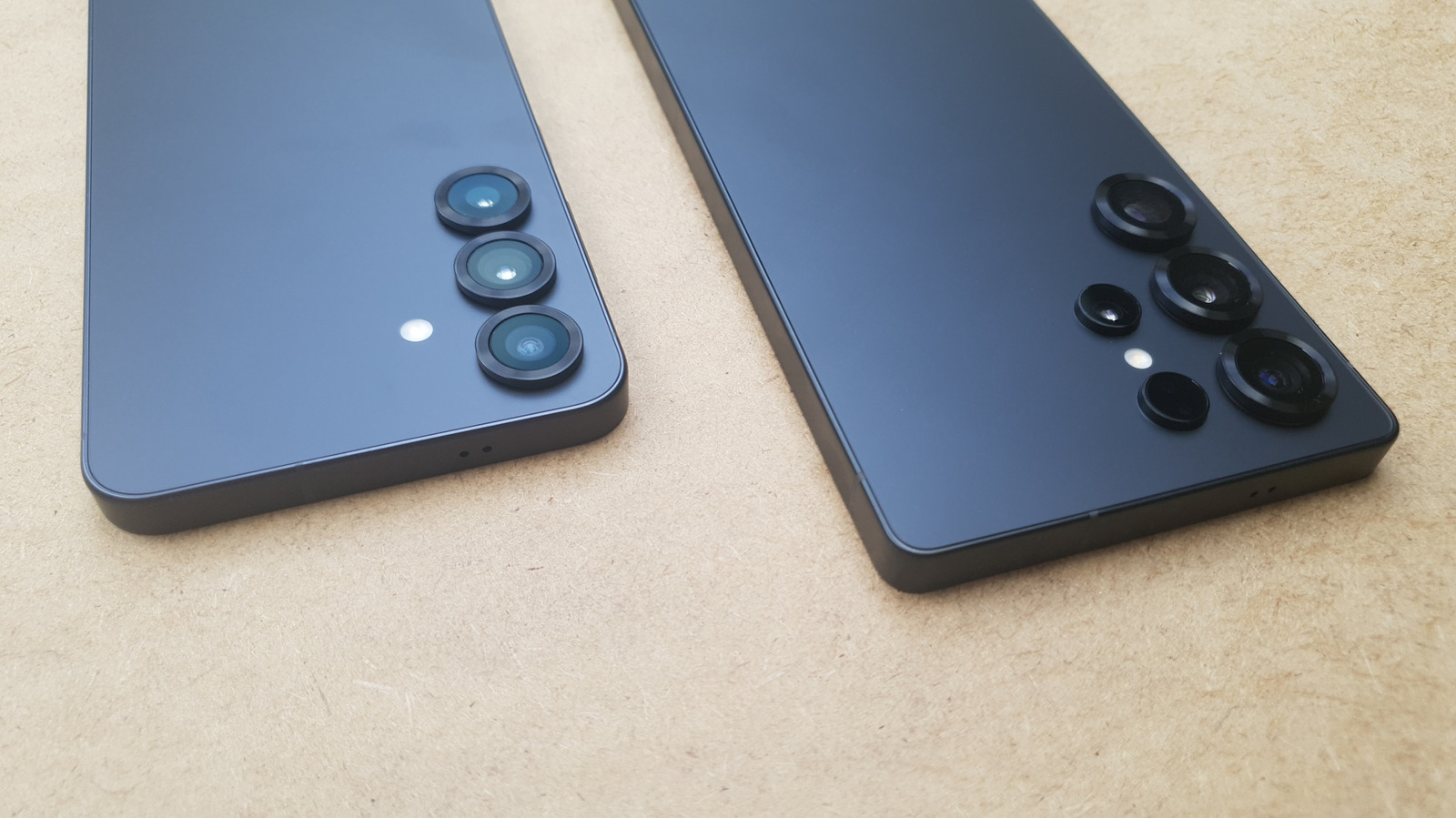
With 2026 underway, Samsung owners are posing a straightforward but important query: which Samsung smartphone remains the oldest still eligible for official software updates? The response serves as an indicator of the expected security and usability lifespan of Android phones, shaping consumer purchasing patterns.
The significance of software support lies in its direct impact on a device’s security, app compatibility, and resale price. A phone that keeps getting patches and OS upgrades can stay useful for many years, whereas a device that falls out of support rapidly becomes exposed to risks and incapable of handling newer apps.
Over the last ten years, Samsung’s approach to updates has shifted. Previously the company guaranteed up to three major Android version upgrades plus an extra year of security patches—a rhythm comparable to many Android makers but trailing Apple’s more extended support periods. More recently, Samsung has raised the bar, promising four years of OS upgrades for flagship phones released from 2021 forward, and five years of security updates for certain devices.
The most recent data on Samsung’s support site shows that the oldest phones still slated for OS updates in 2026 are part of the 2022 flagship series. Launched in early 2022, these models are set to obtain their last major Android version upgrade this year, while security patches will continue until the close of 2027. Consequently, the 2022 lineup stands as the earliest generation that will keep receiving both update categories beyond the present year.
The takeaway for shoppers is straightforward. Customers who value a long support period can consider Samsung’s 2022 models as a reliable choice for a five‑year window, whereas purchasers of older phones should anticipate official updates ceasing within the next 12 to 18 months. The second‑hand market mirrors this schedule, with devices still under support generally fetching higher resale values.
Within the wider Android landscape, Samsung occupies a middle ground. Google’s Pixel lineup typically enjoys three years of OS upgrades, and brands like OnePlus and Xiaomi usually deliver two to three years of security patches. In contrast, Apple consistently offers iPhone support for five to six years. Samsung’s broadened timetable thus reduces the disparity between Android and iOS regarding software lifespan.
Future outlooks indicate that analysts believe Samsung could push its support promises even farther, particularly as Europe and the United States increase regulatory pressure for extended device lifespans. Should Samsung unveil a fresh policy within the year, the notion of the “oldest supported device” might change substantially, possibly bringing earlier 2021 models into the support list.
Consumers should therefore check the update schedule prior to buying. Samsung’s official documentation, easily accessible on its website, outlines the projected update timeline for each model. Matching a phone’s release year with its anticipated end‑of‑support date helps guarantee that the device stays secure and operational for its intended life.
In a time when software updates are as crucial as hardware specifications, the query about which Samsung phone remains the oldest still receiving updates in 2026 highlights a broader consumer expectation: extended, clearer support cycles that safeguard both user data and investment.


Comments (0)
Be the first to comment.
Join the discussion