Routine Cleaning Raises Solar Yield, Yet Economic Viability Needs Assessment
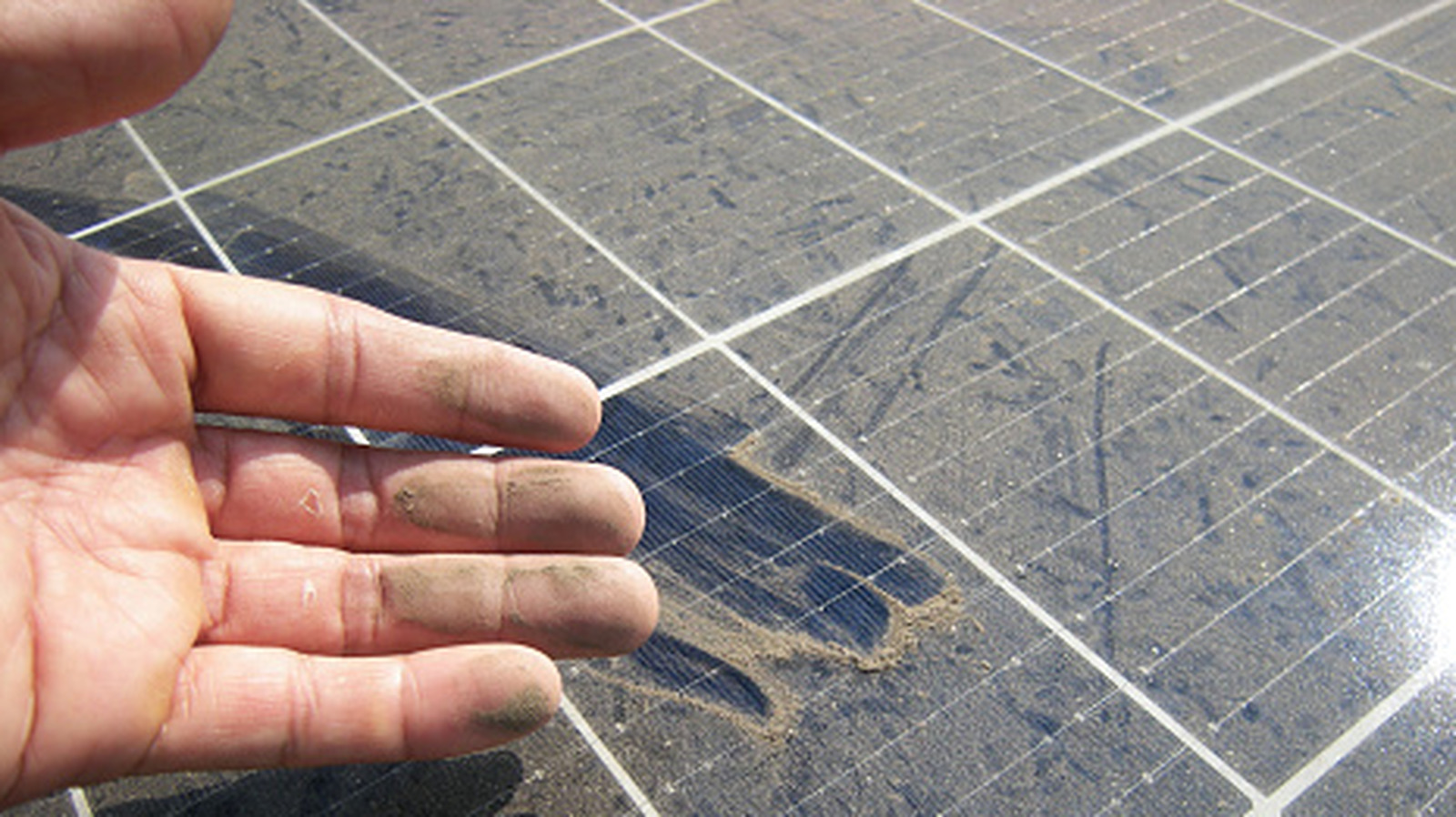
Owners of residential and commercial rooftop solar arrays are being urged that routine cleaning can recover diminished output, though the monetary benefit depends on how dirty the panels are and the local electricity rates.
Dust, pollen, bird excrement and various debris accumulate on the glass, creating a delicate layer that diffuses sunlight and cuts the electricity generated. Although panel makers build in tolerance for some buildup, extended neglect can noticeably lower production, particularly in dry or heavily polluted areas.
Specialists recommend beginning the cleaning decision with a basic performance review. When a system’s output data consistently falls below its usual baseline, a cleaning pass may be warranted. On the other hand, in locations where rain naturally washes the panels several times a month, the extra gain from hand washing might not cover the labor and water expenses.
If cleaning is considered beneficial, safety and effectiveness take precedence. The advised method uses a soft brush or non‑abrasive sponge with lukewarm water, steering clear of harsh chemicals that could harm the anti‑reflective coating. Numerous installers also recommend working in the cooler portions of the day to avoid rapid evaporation, which can cause streaks that further block light.
In addition to the short‑term power gain, keeping panels clean can lengthen their service life. Built‑up grime can hold moisture against the glass, encouraging micro‑cracks as time passes. Consistent maintenance thus aids both efficiency and durability, lowering the chance of expensive fixes or early replacement.
Looking forward, industry analysts point out that new self‑cleaning coatings and robotic cleaners could change the cost‑benefit equation. Until those solutions become broadly affordable, owners ought to track output, evaluate local weather trends, and plan cleanings only when the expected energy gain surpasses the task’s cost.

Comments (0)
Be the first to comment.
Join the discussion