Energy Sector Divided on Eclipse Impact: Octopus Energy Recommends Power Cuts While Experts Affirm Grid Stability
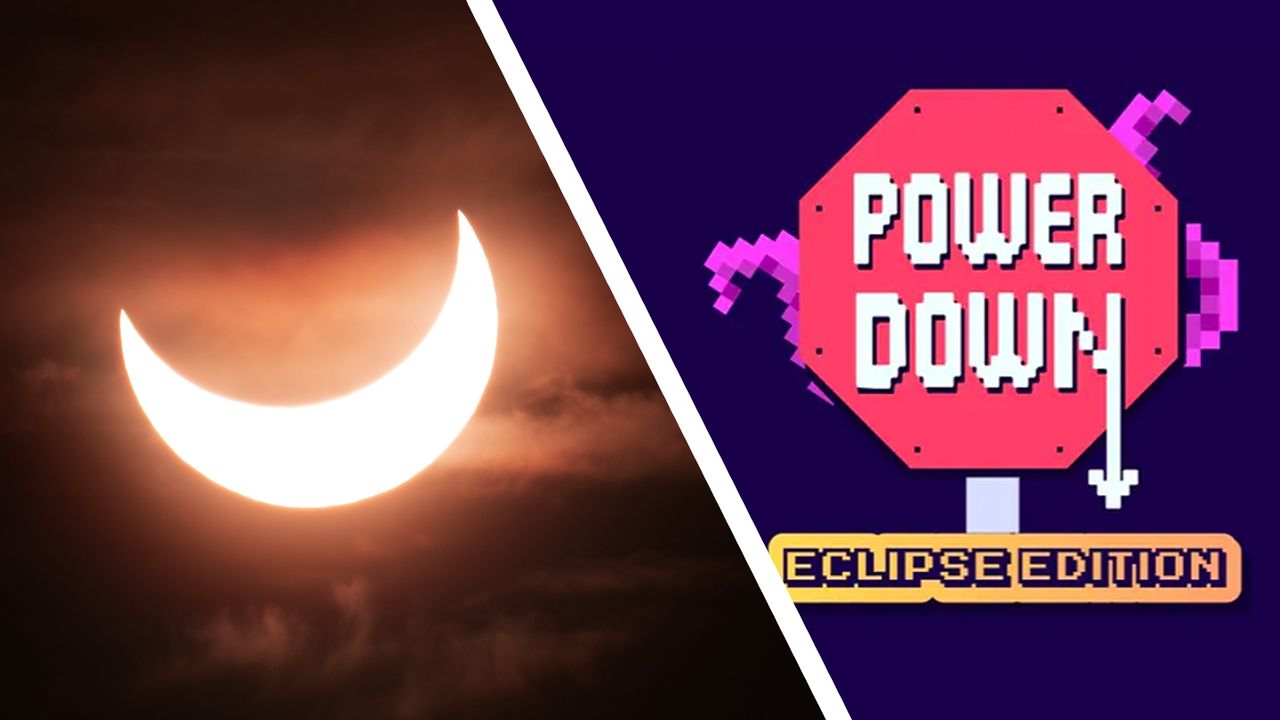
Today's solar eclipse is eliciting varied responses across the energy sector, with one major provider urging consumers to scale back electricity use, while industry experts maintain confidence in the grid's robustness. Octopus Energy has called upon its customers to decrease power consumption, forecasting a significant reduction in solar energy generation.
The energy supplier anticipates a potential shortfall of 1.3 gigawatts (GW) in solar power during this celestial event. To mitigate this projected dip and promote energy conservation, Octopus Energy is offering a unique incentive: free electricity for customers who actively reduce their usage today. This proactive measure aims to manage demand during a period of expected decreased supply from renewable sources.
However, this cautious approach contrasts with the broader sentiment among energy sector specialists. Industry experts have largely dismissed concerns about grid instability, asserting that the solar eclipse's impact on national power supplies will be minimal and that robust planning is already in place to manage any fluctuations. Their assessment indicates that grid operators are well-prepared for such predictable events.
The differing perspectives highlight the evolving dynamics of energy grids, which are increasingly reliant on intermittent renewable sources like solar power. While solar energy plays a crucial role in meeting demand, its output is inherently dependent on sunlight. A solar eclipse, by temporarily obscuring the sun, naturally leads to a reduction in generation from photovoltaic installations across affected regions.
Despite this, experienced grid operators routinely manage variations in energy supply and demand. They employ sophisticated forecasting models and maintain a diverse portfolio of generation sources—including gas, nuclear, wind, and hydropower, along with international interconnectors—to ensure continuous power delivery. These systems are designed to balance the grid even during significant shifts in renewable output.
Octopus Energy's decision to incentivize demand reduction could be seen as an example of an energy provider taking a direct, consumer-facing approach to grid management, potentially fostering greater energy awareness among its clientele. It also underscores the ongoing transition to a cleaner energy mix and the innovative strategies being explored to ensure reliability during this shift.
As the solar eclipse unfolds today, its actual impact on the energy grid will be closely monitored. While experts foresee a smooth operation, Octopus Energy's initiative serves as a tangible reminder of the complex interplay between celestial events, renewable energy generation, and the continuous effort required to maintain a stable and efficient power supply for millions.



Comments (0)
Be the first to comment.
Join the discussion