Yale Discovery Illuminates Mechanism of Parkinson's Progression, Points to Novel Treatment Approach
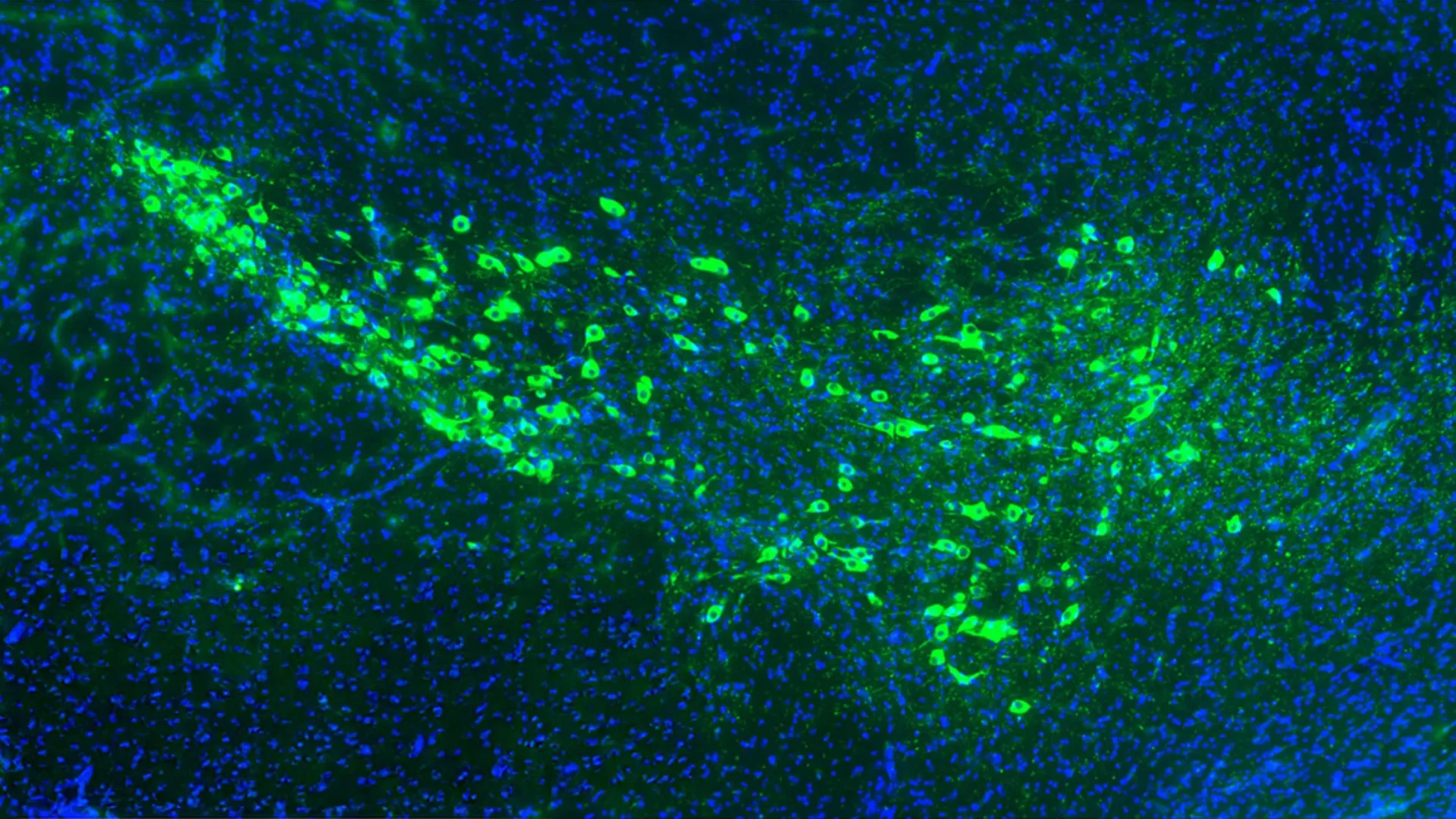
Scientists at Yale University have pinpointed two particular proteins situated on the surface of neurons that appear to enable the transmission of the harmful protein associated with Parkinson's disease. This revelation, unveiled in their latest research, presents a critical new focus for creating future treatments that might potentially impede or halt the advance of this debilitating neurodegenerative condition.
Parkinson's disease is a progressive ailment primarily impacting the central nervous system, leading to tremors, stiffness, slowed movement, and difficulties with balance and coordination. Fundamentally, the condition is defined by the buildup and improper folding of a protein called alpha-synuclein, which forms clusters known as Lewy bodies. These protein aggregates are thought to propagate from one cell to another throughout the brain, contributing to the widespread neural damage observed in patients.
For many years, researchers have strived to comprehend the exact processes by which these detrimental alpha-synuclein proteins spread across neural networks. The Yale team's breakthrough pivots on identifying two distinct proteins located on the exterior of neurons that seem to serve as critical enablers in this process, effectively assisting the toxic protein's movement from one neuron to another.
To validate their hypothesis, the scientists performed studies using mice models of Parkinson's disease. By deliberately impeding the activity of these newly discovered surface proteins, they noted a sharp decline in the propagation of the disease-associated alpha-synuclein aggregates. Significantly, this intervention also resulted in a substantial reduction in the overall progression of Parkinson's-like symptoms in the treated animals.
These findings present a compelling new pathway for therapeutic development. Current interventions for Parkinson's disease chiefly aim at alleviating symptoms, often by restoring dopamine levels in the brain. However, they fail to tackle the underlying neurodegeneration or arrest the disease's advancement. Targeting these recently uncovered surface proteins could signal a fundamental change, enabling interventions that directly block the spread of the toxic protein and, consequently, the disease itself.
While the outcomes in mice are extremely encouraging, researchers stress its preliminary nature. More comprehensive investigation will be required to fully grasp the intricate functions of these proteins and to convert these insights into viable human therapies. The subsequent stages will likely involve more detailed preclinical assessments and, eventually, meticulously planned clinical trials.
Nonetheless, this work from Yale scientists offers a glimmer of optimism for millions globally impacted by Parkinson's disease. By identifying the precise molecular machinery involved in the disease's propagation, the path is now cleared for novel pharmaceutical creation that could provide not just symptomatic relief, but potentially a means to alter the trajectory of this challenging neurological disorder.


Comments (0)
Be the first to comment.
Join the discussion