Eastern China Braces for Typhoon Bavi as Region Faces Second Storm in a Week
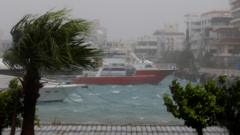
A state of heightened vigilance has been declared across Eastern China as Typhoon Bavi rapidly advances, poised to strike land and becoming the second major weather event to affect the area in seven days. Officials in Zhejiang province have commenced extensive relocation efforts, leading hundreds of thousands of inhabitants away from vulnerable coastal zones and areas directly within the typhoon's anticipated trajectory, notably around Wenzhou.
This proactive step highlights the serious nature of the approaching meteorological phenomenon. Public safety remains the paramount concern as authorities direct the movement of residents from at-risk communities throughout eastern Zhejiang. The vibrant port city of Wenzhou, characterized by its expansive shoreline and dense population, is situated precariously near Typhoon Bavi's expected course, necessitating intensified alertness and readiness protocols.
The arrival of this newest weather system comes swiftly after another typhoon impacted the same broader area only a few days ago, presenting a complex situation for both emergency responders and local communities. The Western Pacific region experiences powerful tropical cyclones on an annual basis, and the quick succession of such storms can amplify dangers, reducing the window for recuperation and escalating the overall burden on infrastructure and residential areas.
Typhoons are generally characterized by a damaging convergence of heavy downpours, violent gusts, and potential tidal surges, frequently resulting in extensive inundation, mudslides, and considerable interruption to transit and daily routines. The combined consequences of two formidable storms striking in rapid succession have the potential to overwhelm resources, extend the duration of recovery operations, and elevate the probability of harm to farming zones and shoreline structures already compromised by the preceding weather event.
These widespread evacuations underscore the strength of China's comprehensive disaster readiness frameworks, honed over decades of managing comparable weather-related crises. It is probable that emergency aid teams are being mobilized, safe havens readied, and communication networks set up to deliver immediate information and support to residents in the path of the storm. The primary objective continues to be the reduction of fatalities and the safeguarding of assets through anticipatory actions.
With Bavi's approach, weather forecasting bodies will persist in diligently monitoring its exact trajectory and power, disseminating revised advisories to inform subsequent responses. Inhabitants of the impacted regions are strongly advised to maintain watchfulness, strictly follow governmental instructions, and implement all essential safeguards to protect themselves and their possessions. The immediate future will prove pivotal as the area anticipates the typhoon's landfall and evaluates its complete repercussions.


Comments (0)
Be the first to comment.
Join the discussion