Why Windows’ Built‑In Utilities Alone Can’t Ensure PC Health
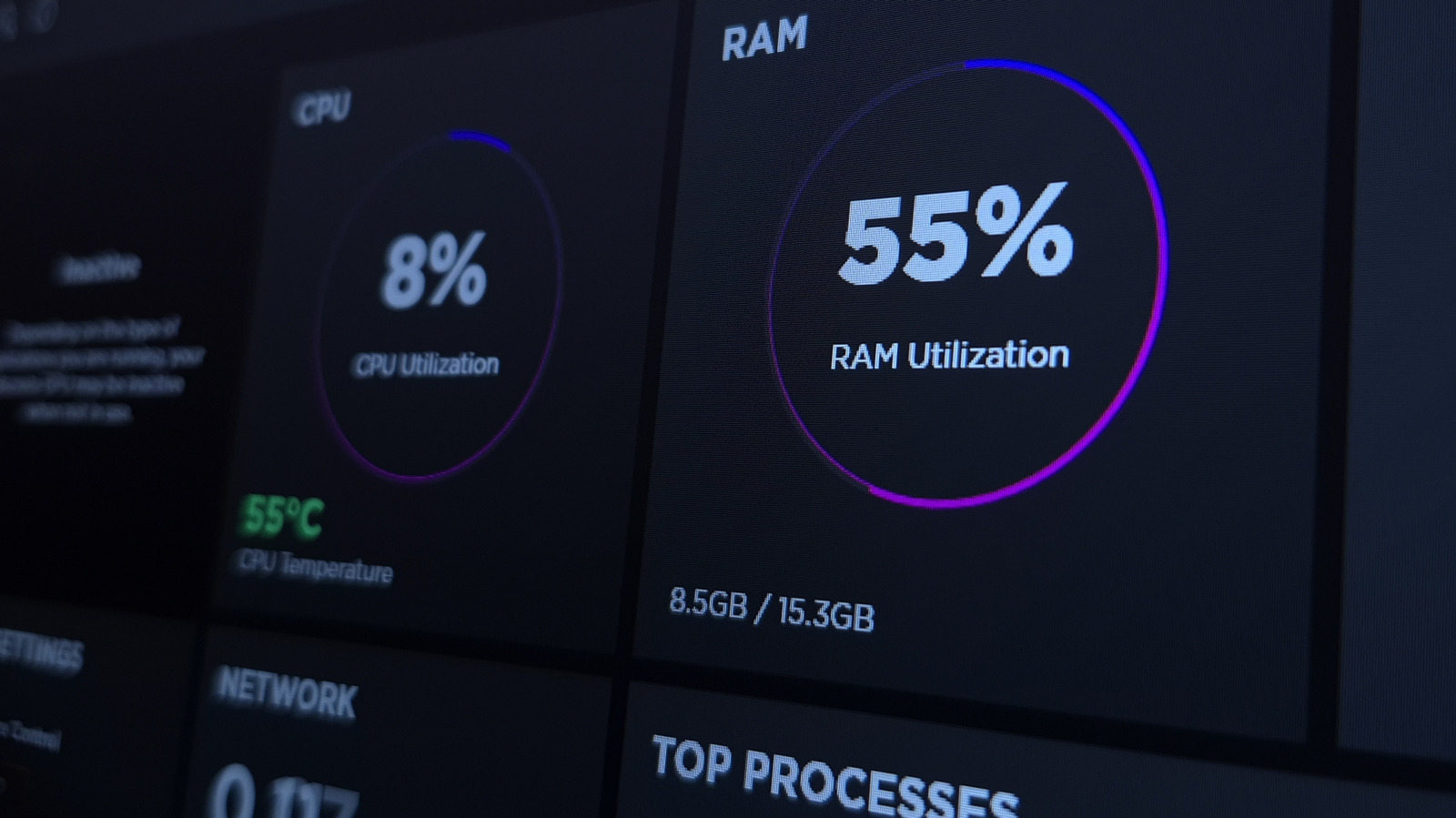
A large share of Windows owners depend on the OS’s native utilities—Disk Cleanup, Storage Sense, and occasional defragmentation—to maintain smooth performance, but an increasing chorus of experts warns that this strategy leaves a vital void in overall system health.
The platform does include a range of upkeep utilities, such as the built‑in “Troubleshoot” wizards that pinpoint common issues and the “Windows Security” app that guards against malware. Yet many of these require the user to launch them, run regular checks, and possess a level of technical skill that casual users often lack the time to invest.
What frequently escapes attention is the necessity for ongoing, automated monitoring of deeper system components—registry keys, background services, driver versions, and startup applications. If ignored, obsolete drivers may trigger hardware clashes, swollen registries can drag down boot speed, and superfluous startup items can drain resources before the desktop loads.
Third‑party maintenance programs address this gap by merging cleaning, updating, and monitoring within one intuitive dashboard. They allow scheduled junk‑file purges, highlight and install fresh driver releases, and issue real‑time notifications for essential updates. Running silently in the background, they lessen the likelihood that users neglect manual cleanups or miss pending driver updates.
In addition to speed, thorough maintenance carries security ramifications. Unpatched drivers and leftover temporary files can serve as entry points for malware, particularly on PCs that lack regular manual oversight. Automated solutions curb these dangers by keeping the software stack up‑to‑date and stripping away superfluous files before they become exploitable.
Analysts observe that although Microsoft is slowly broadening its native health‑check features, the present suite still lags behind the proactive, all‑in‑one model offered by third‑party tools. Consumers seeking a trouble‑free experience frequently opt for trusted utilities that have garnered favorable safety and performance ratings.
Future Windows releases may narrow this divide by embedding stronger health‑management capabilities into the system. In the meantime, specialists recommend that PC users evaluate their upkeep routines and contemplate adding a dedicated optimization utility, particularly if they experience sluggish boot‑ups, random crashes, or recurring driver alerts.
In essence, the aspect many neglect when preserving PC health isn’t a solitary setting but an ongoing maintenance strategy—one that surpasses Windows’ basic utilities and adopts automated, all‑encompassing supervision.


Comments (0)
Be the first to comment.
Join the discussion