Apple TV Software Support: What Lifespan Can Buyers Anticipate?
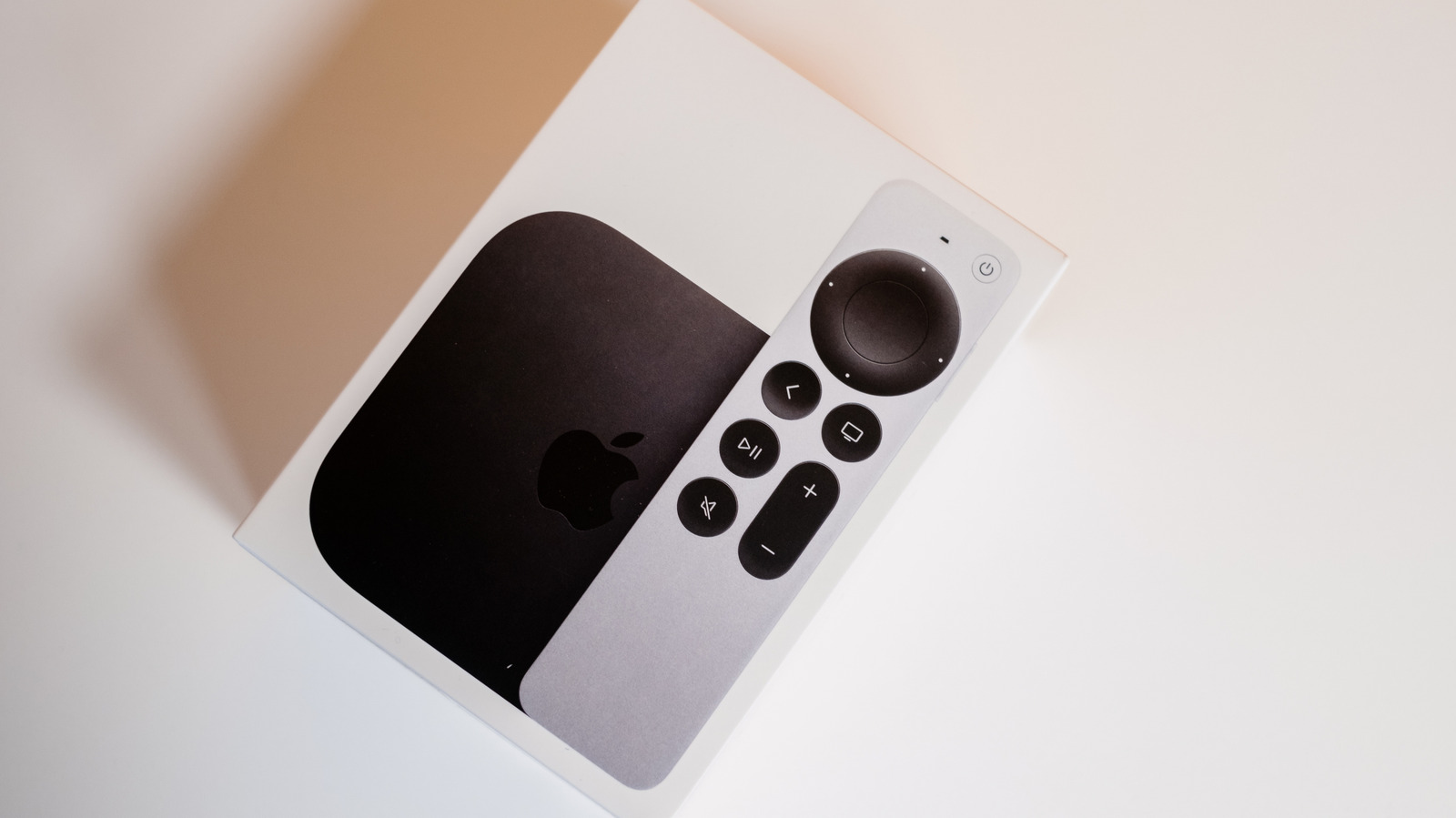
Apple’s set‑top box, the Apple TV, has long been lauded for its tight integration with the broader Apple ecosystem, yet prospective owners frequently ask how long a fresh unit will stay functional and up‑to‑date. Although Apple tends to provide longer software support for its media players than many rival hardware lines, the precise duration of that support is not guaranteed.
In the past, Apple TV models have been given iOS‑style updates for several years after their launch. The fourth‑generation Apple TV, for instance, kept receiving tvOS upgrades for more than five years, delivering new features and security fixes well after it left the shelves. This prolonged support window helped preserve resale value and kept the device compatible with newer streaming services.
That said, Apple’s pledge to continue updates is not endless. The company usually retires support for older units when the underlying architecture can no longer run newer code efficiently, or when the expense of maintaining compatibility outweighs the benefits. For the Apple TV, this typically translates to a support span of roughly five to six years, though exact timelines differ by model and the complexity of required updates.
When placed beside other Apple products, the Apple TV’s support period lands between the iPhone—generally receiving five years of major OS upgrades—and the HomePod, which has experienced a shorter, less predictable cadence. The distinction stems from the device’s purpose: as a media hub, the Apple TV lacks cutting‑edge sensors or cellular links, allowing Apple to extend its usable life without sacrificing core functionality.
Buyers should also recognize that hardware durability and performance may diverge from software support. Even if an Apple TV continues to get updates, its processor, storage, and Wi‑Fi hardware can become bottlenecks as streaming platforms adopt higher‑resolution formats and more demanding codecs. In real‑world use, users might encounter slower navigation or occasional buffering while the device remains officially supported.
Analysts note that Apple’s strategy of offering extended software updates serves both brand‑loyalty and environmental objectives, encouraging users to keep devices longer rather than replace them frequently. However, the absence of a formal warranty or defined support timeline for the Apple TV means purchasers must balance the risk of eventual obsolescence against the immediate advantages of the platform’s ecosystem.
Looking ahead, Apple has not announced any alterations to its update policy for upcoming Apple TV generations. Observers anticipate the company will keep its current approach, rolling out annual tvOS releases that add features and security improvements while gradually phasing out older hardware. Prospective buyers should therefore expect a functional lifespan of about half a decade, after which the device may still operate but will likely miss the newest software enhancements.
In summary, while Apple’s track record points to a relatively generous support window for the Apple TV, the exact length of service hinges on the specific model, the evolving demands of streaming technology, and Apple’s internal resource decisions. Those seeking the longest possible usage period would do well to opt for the latest generation and stay informed about Apple’s update roadmap as it evolves.


Comments (0)
Be the first to comment.
Join the discussion