Why the Mac mini Undercuts the MacBook in Price
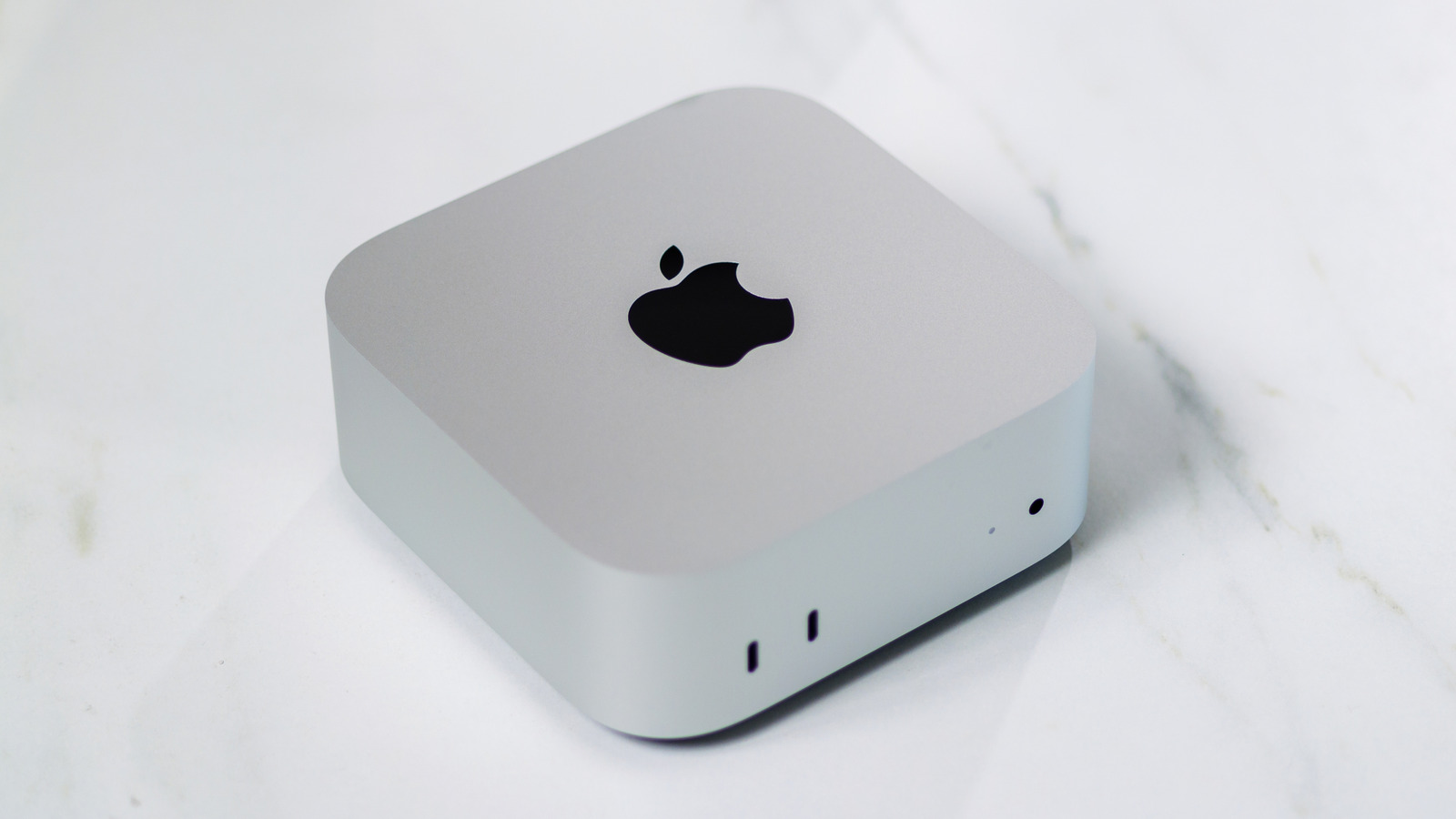
The Mac mini from Apple regularly costs less than its laptop sibling, the MacBook, leading buyers to question the reasons behind this price difference.
The key factor is the device’s shape: the Mac mini is a tiny desktop that ships without an integrated display, keyboard, trackpad, or battery, while the MacBook combines a high‑resolution Retina screen, built‑in input hardware and a rechargeable battery into a single, portable unit.
Omitting those parts lets the Mac mini’s production cost stay considerably lower. Although the two families often share a similar logic board and CPU, the MacBook must be engineered for a slim shell, mobile thermal handling, and a battery‑management system—additions that raise material and design expenses.
Apple markets the Mac mini as a budget‑friendly desktop for users who already have monitors and peripherals or who like to tailor their configuration, whereas the MacBook is aimed at professionals and students who require computing power while on the move. This deliberate segmentation enables aggressive pricing for the mini without sacrificing the performance expectations placed on the laptop line.
For shoppers, the price split creates a straightforward compromise: those who prioritize portability and an all‑in‑one solution will pay more for the MacBook, while cost‑sensitive customers willing to provide their own screen and accessories can cut expenses by opting for the Mac mini.
Looking forward, Apple’s pricing may shift as fresh silicon generations appear, yet the core cost gap stemming from component inclusion and product purpose will probably keep the Mac mini as the cheaper choice within the Mac family.



Comments (0)
Be the first to comment.
Join the discussion