New Research Suggests Ritual Sacrifices Occurred in Early Egyptian Royal Tombs
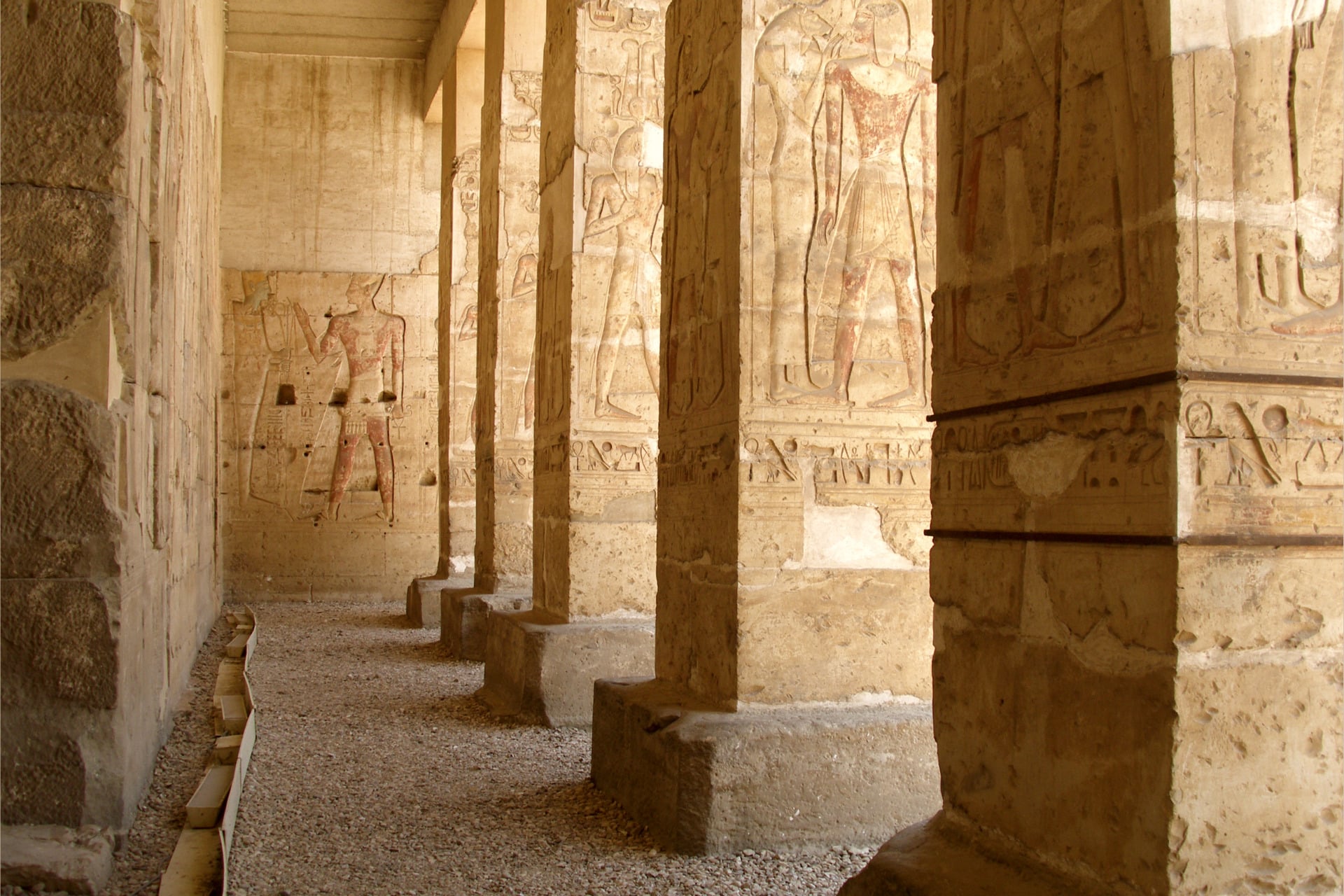
A forensic examination of skeletal remains recovered from Abydos' royal burial complex now indicates that several people buried surrounding the principal tomb could have been slain in a ritual sacrifice, a notion that has long sparked debate among early Egyptian historians.
Researchers concentrated on dozens of skulls unearthed from subsidiary graves encircling the central tomb of a First Dynasty monarch. Microscopic analysis uncovered injury patterns that do not match accidental or natural causes, instead suggesting intentional head strikes.
The results revive a query posed by a 1920s Egyptologist, who observed the unusually dense cluster of peripheral interments and speculated whether a single outbreak of disease or famine could explain them. The fresh data imply that at least some of these individuals were likely offered as sacrifices to join the king in the afterlife—a ritual recorded in later dynasties but seldom substantiated for this early period.
Situated in Upper Egypt, Abydos functioned as one of the first royal necropolises and is linked to the rise of state organization and elaborate burial customs. Confirming human sacrifice there would introduce a stark new layer to our perception of the political and religious drives that underlay power consolidation at the birth of Egyptian civilization.
Although the study offers persuasive evidence, scholars warn that additional research is required to gauge the extent of the practice and pinpoint its cultural setting. Continued digs and sophisticated imaging methods could soon reveal whether these killings were isolated events or elements of a wider ritual tradition that helped forge early Egyptian kingship.



Comments (0)
Be the first to comment.
Join the discussion