Voyager 1 Approaches 24‑Hour Radio Delay, NASA Issues Warning
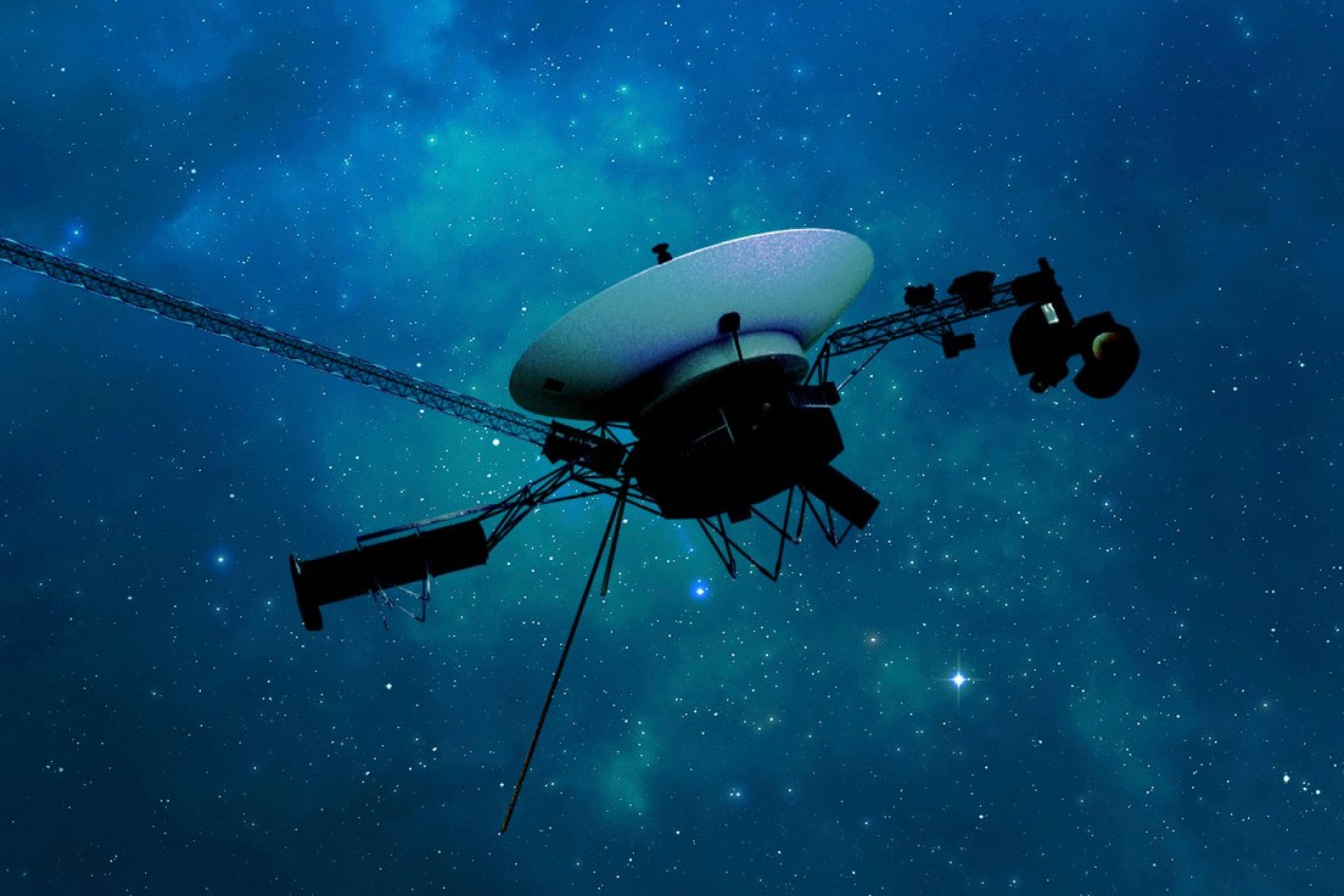
Voyager 1, NASA’s premier deep‑space explorer, is about to exceed the one‑light‑day mark, so a radio signal between Earth and the probe will need an entire 24 hours for a one‑way trip. This achievement highlights the vast separation, as the spacecraft, launched in 1977, now sails over 24 billion kilometres away, retaining its status as the farthest human‑crafted object.
The imminent signal delay has raised awareness among the mission’s engineers, who must now schedule activities with a full day’s lag in mind. Commands dispatched via the Deep Space Network will require a day to reach Voyager, and any returned data will need another day, stretching a complete round‑trip to roughly 48 hours. Consequently, the crew must depend largely on the spacecraft’s built‑in autonomous fault‑protection mechanisms.
Voyager 1’s voyage has already delivered groundbreaking science, from the first close‑up photos of Jupiter’s moons to spotting active volcanism on Io and conducting detailed examinations of Saturn’s rings. After breaching the heliopause in 2012, it entered interstellar space, supplying the inaugural direct measurements of the galactic environment. Its ongoing operation provides a rare window into conditions beyond the Sun’s protective bubble, an area still largely uncharted.
Power limitations add further difficulty. The spacecraft relies on radioisotope thermoelectric generators whose output has been slowly declining since launch. Engineers must carefully allocate the shrinking energy supply, giving priority to vital scientific instruments and communication tasks. The approaching one‑day light‑distance intensifies these issues, as any unforeseen fault could take several days to identify and remedy.
Looking forward, NASA intends to operate Voyager 1 for as long as its power endures, while also gearing up for its eventual quiet shutdown. The mission’s longevity showcases the robustness of 1970s engineering and the persistent curiosity of the scientific community. As the probe drifts deeper into the void, the 24‑hour signal gap stands as both a technical obstacle and a poignant symbol of humanity’s reach into the cosmos.



Comments (0)
Be the first to comment.
Join the discussion