ULA’s First Vulcan Launch Ends in Failure, Destroying 40 Amazon Kuiper Satellites
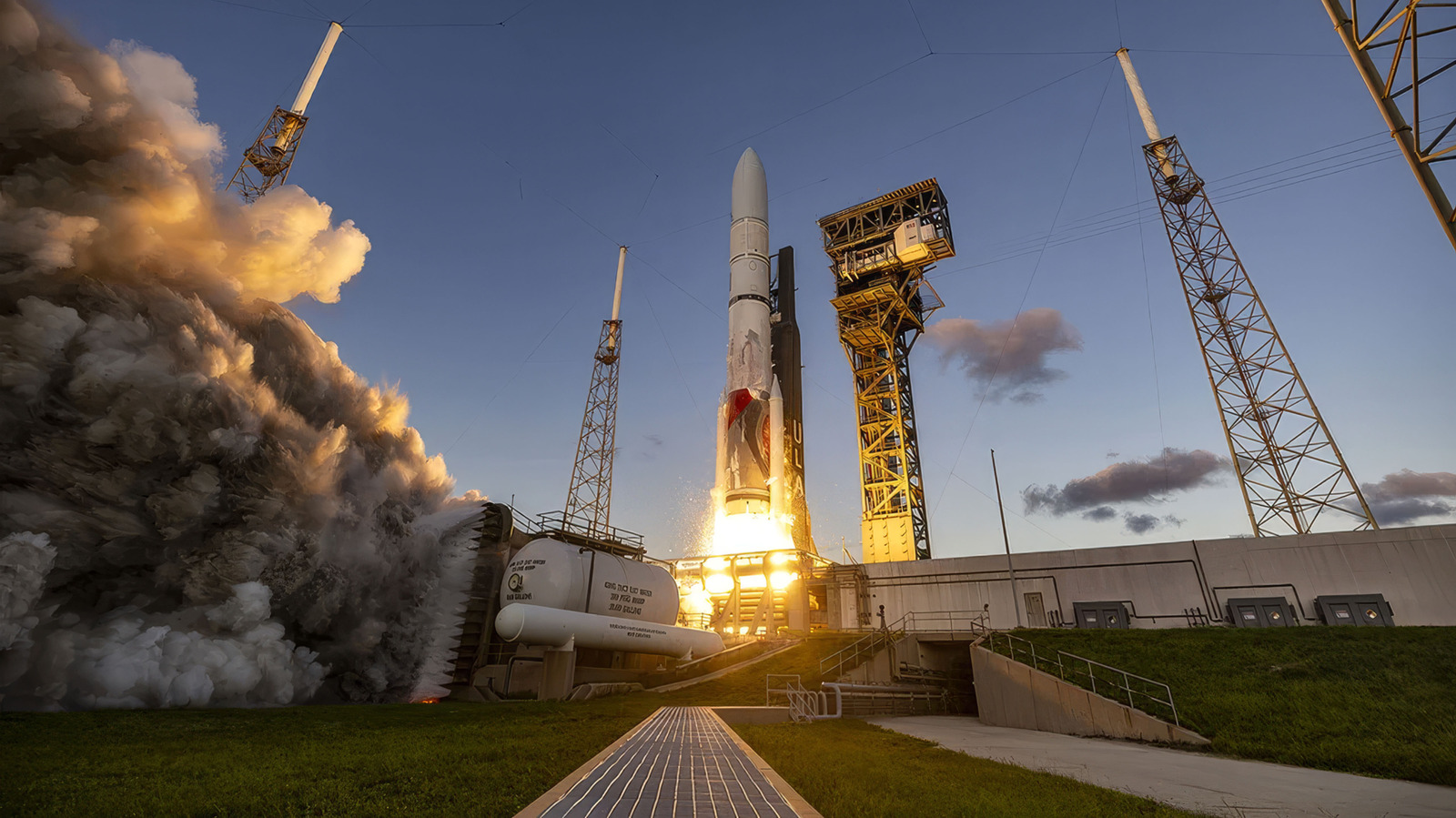
The debut launch of United Launch Alliance’s next‑generation Vulcan rocket ended in disaster, wiping out all 40 low‑Earth‑orbit satellites Amazon had aboard for its broadband constellation. The failure occurred on the vehicle’s first flight, a sharp departure from ULA’s long‑standing record of reliability with its Atlas V workhorse.
Liftoff took place at Cape Canaveral, where the mission was meant to showcase Vulcan’s new architecture and deliver Amazon’s Leo payloads to their planned orbital slot. Moments after launch, telemetry showed an anomaly that caused the rocket to break apart, taking the entire satellite payload with it.
Vulcan is ULA’s attempt to retire both the Atlas V and Delta IV families in favor of a single, more economical system that incorporates modern engines and reusable concepts. The company has billed the vehicle as a "next‑generation" platform capable of serving commercial customers and national‑security missions, but the setback highlights the technical hurdles of fielding a brand‑new launch vehicle.
Amazon’s satellite effort, known as Project Kuiper, seeks to build a low‑Earth‑orbit constellation that can provide high‑speed internet to underserved regions around the globe. The 40 satellites lost were part of an incremental rollout intended to speed up the network’s deployment. Their destruction will push back the schedule for expanding service and could dent Amazon’s competitive stance against rival constellations.
Analysts point out that failures of this scale usually trigger exhaustive investigations, insurance claims and revised timelines. Both ULA and Amazon have activated their risk‑mitigation plans, with insurers expected to shoulder a large share of the hardware cost. The event also fuels questions about Vulcan’s readiness for upcoming government and commercial flights.
ULA has committed to a transparent probe of the incident, stressing its dedication to safety and dependability. The firm plans a thorough review of the rocket’s propulsion and guidance systems before arranging another launch. Observers will be watching to see how swiftly the company can rebuild confidence in Vulcan and maintain its role as a pillar of U.S. launch capability.


Comments (0)
Be the first to comment.
Join the discussion