Disc vs. Disk: Why That One‑Letter Variation Still Counts in Technology
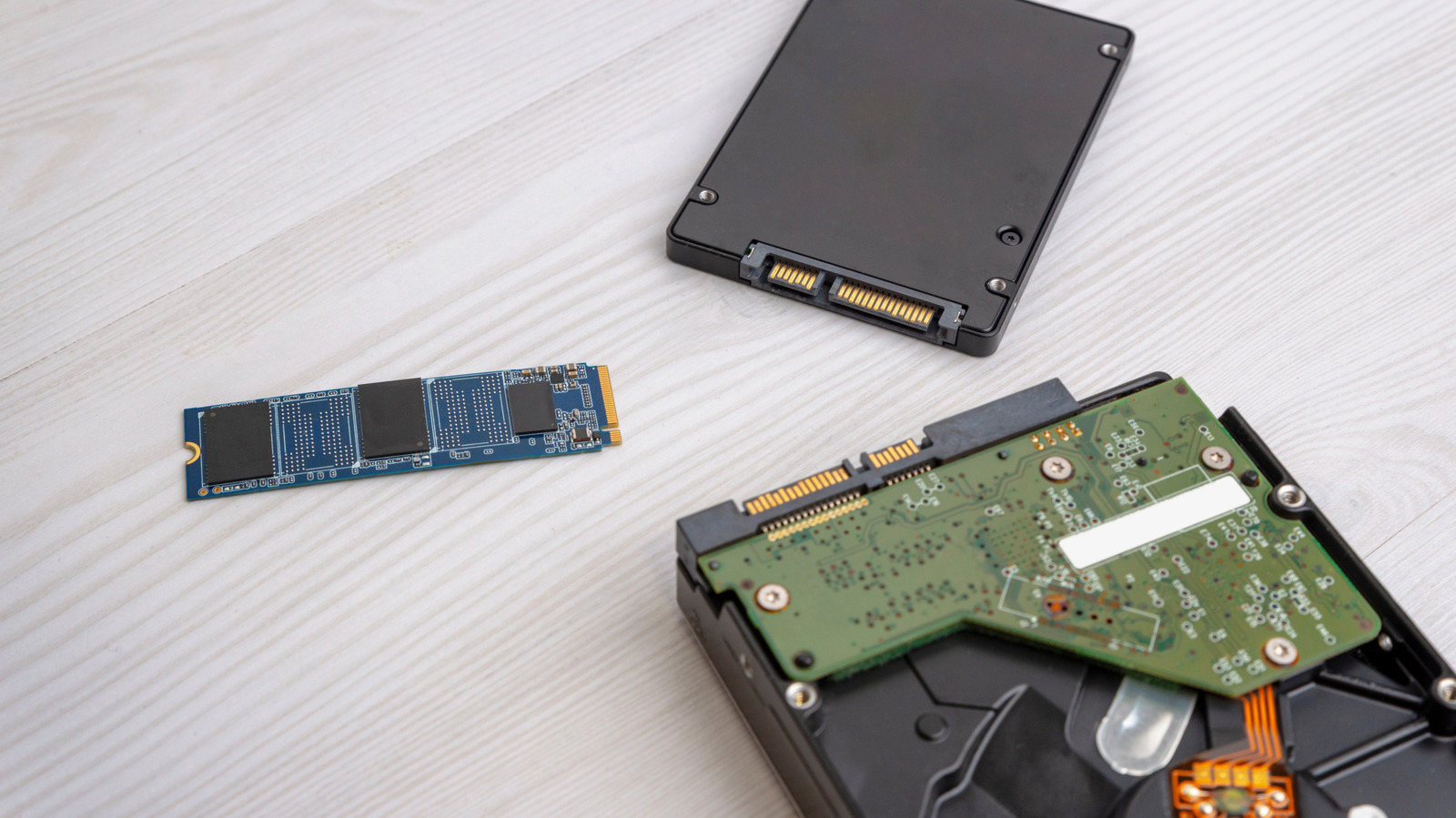
Even though they are pronounced the same and are separated by a single character, “disc” and “disk” adhere to different spelling conventions that denote separate types of media.
Each spelling originates from a distinct etymology: “disc” arrived in English through French, stemming from the Latin “discus,” whereas “disk” comes straight from the Greek “diskos.” Historically, British English has generally preferred “disc,” while American English leans toward “disk,” though both variants can be found in either variety.
In real‑world usage the division shows up most clearly in tech. Optical storage—compact discs, DVDs and Blu‑ray discs—is consistently spelled with a “c,” a choice that mirrors the flat, circular form of the media and early industry branding. By contrast, magnetic storage such as hard‑drive platters, floppy “disks,” and solid‑state “disk” images normally takes a “k.” The same pattern carries over to software, where a “disk image” (a .iso or .dmg file) copies a physical disc, yet the file is typically labeled a “disk image” with a “k.”
Operating systems further cement the split. Unix‑like platforms name block devices like “/dev/sda” as a “disk,” while user‑oriented documentation for optical drives uses the word “disc.” Microsoft’s Windows guides, however, tend to apply “disk” to both logical volumes and optical media, which can muddy the distinction.
Using the proper spelling matters for precision in technical writing, search‑engine optimisation, and legal branding. An incorrectly spelled “disk” in a product title can influence trademark searches, and mixed usage in manuals may impede troubleshooting for users who depend on exact terminology.
Current trends indicate a slow fading of the boundary as physical media give way to cloud‑based storage. Nevertheless, major publishers’ style guides and standards organisations still advise the classic split—“disc” for optical, “disk” for magnetic or virtual storage—so the convention is likely to endure for the foreseeable future.



Comments (0)
Be the first to comment.
Join the discussion