U.S. Launch Landscape Shaken by Vulcan Rocket Failure from ULA
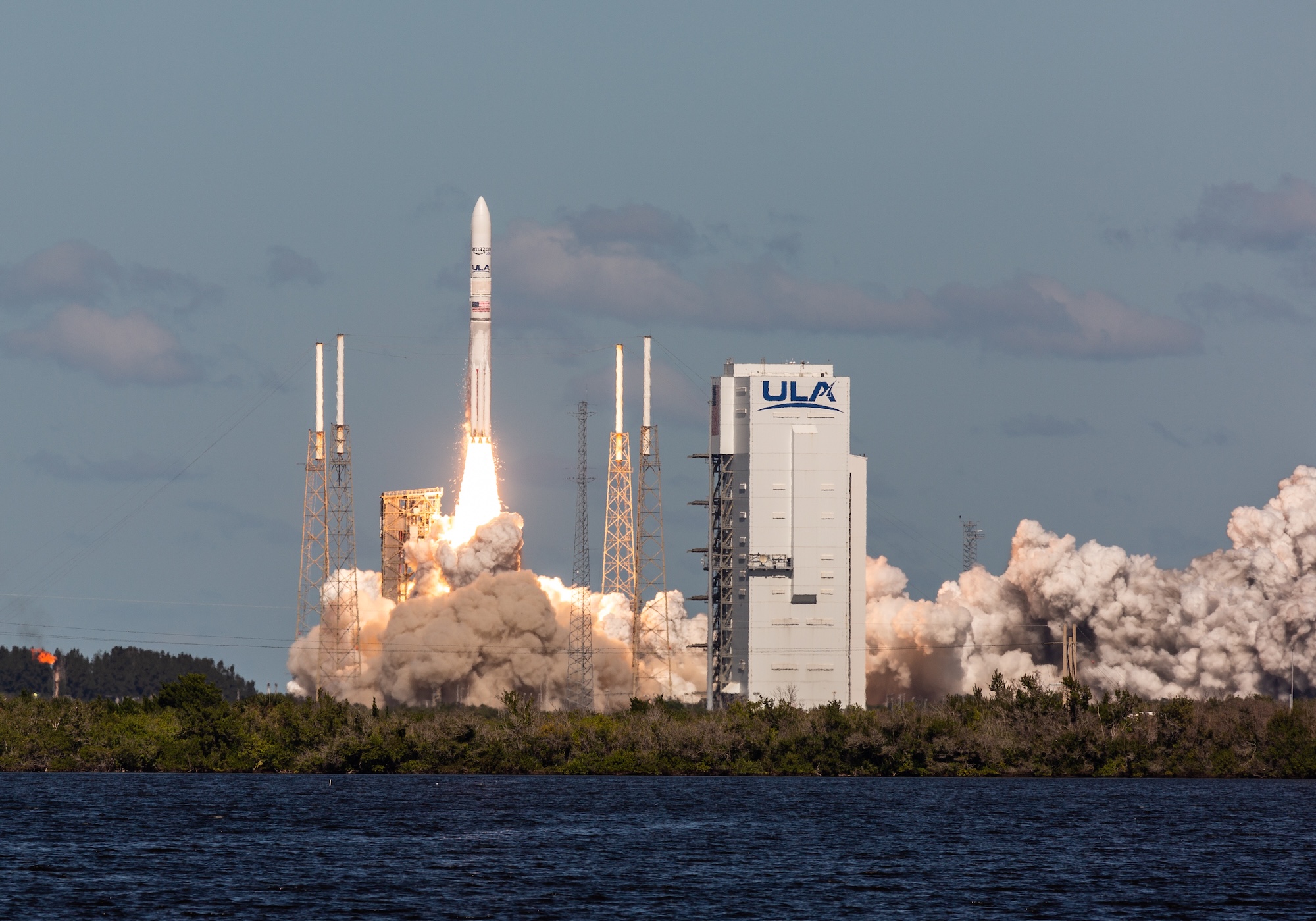
United Launch Alliance’s heavy‑lift Vulcan vehicle experienced a catastrophic malfunction just minutes after its Sunday liftoff, sending the rocket and its load of 40 Amazon broadband satellites crashing back to Earth. The event represents a major blow to ULA, which has been promoting the Vulcan as a chief alternative to SpaceX for a substantial portion of U.S. launches.
The mission, meant to deliver the Amazon Leo constellation to low‑Earth orbit, was cut short when telemetry showed a loss of thrust soon after the rocket cleared the pad. Although emergency protocols were activated, the vehicle could not be salvaged, and fragments landed in a lightly inhabited region, triggering a short‑lived safety evacuation. No one was injured.
Vulcan is contracted to provide approximately half of the United States’ launch capacity, a position that would broaden the market beyond SpaceX’s Falcon dominance. This failure endangers those agreements and casts doubt on the schedule for ULA’s upcoming missions, among them national‑security payloads planned for next year.
Analysts suggest the mishap could send ripples through the commercial arena, especially for satellite operators who rely on ULA’s advertised reliability and timing. Amazon’s broadband project, intended to bring high‑speed internet to underserved areas, now confronts a postponement as the firm reevaluates its launch choices. The incident might also lead other clients to reconsider contracts with rival providers, possibly speeding up demand for alternative launch services.
United Launch Alliance has vowed to conduct a comprehensive investigation, emphasizing its dedication to safety and mission assurance. The company will collaborate closely with the Federal Aviation Administration and other regulators to pinpoint the cause, be it engine performance, software, or another subsystem. Meanwhile, the wider U.S. space community is observing intently, as the findings will shape competitive dynamics, investment choices, and the speed at which new satellite constellations are launched.


Comments (0)
Be the first to comment.
Join the discussion