U.S. Army Initiates Quest for Next-Gen Drone Interceptor
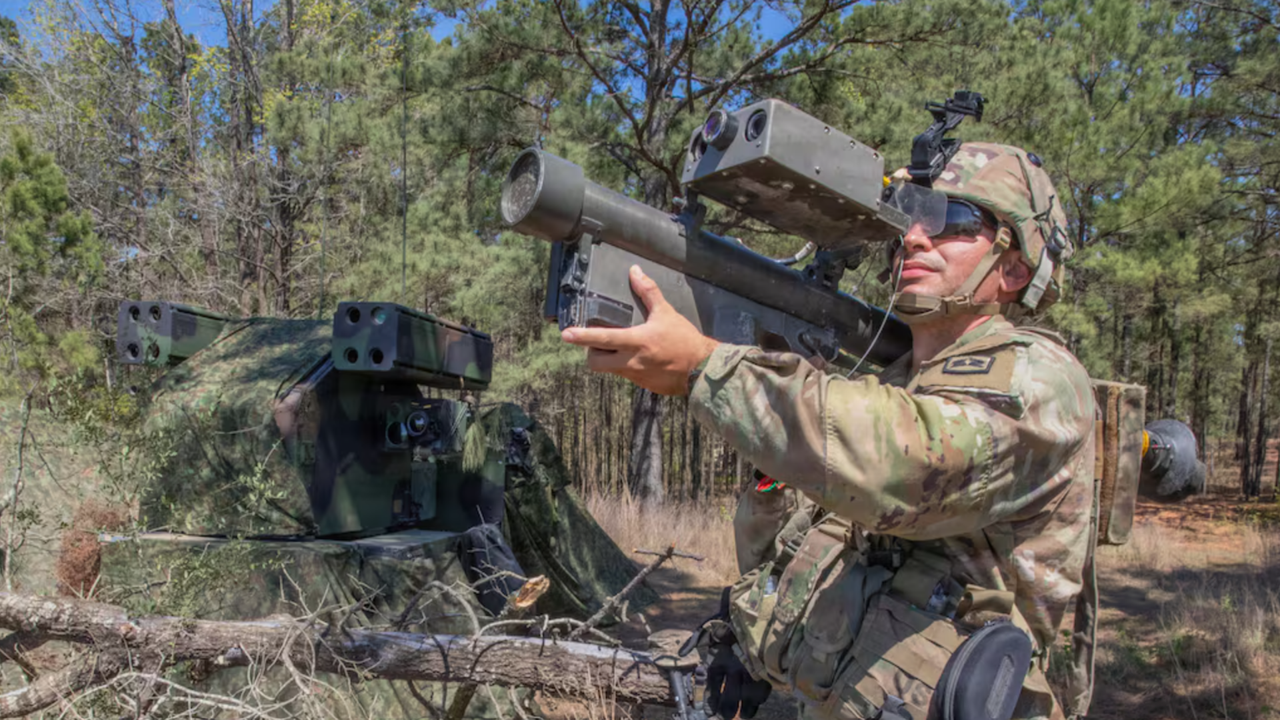
The United States Army has commenced a focused pursuit to acquire advanced ground-to-air interceptors specifically tailored for countering miniature unmanned aircraft. This strategic move highlights the armed forces' adjustment to the dynamic shifts in contemporary combat, where unmanned aerial vehicles (UAVs) pose an increasingly substantial threat.
Central to this endeavor is the Next-Generation Counter-drone Missile (NGCM) program. The service aims for a missile that can more rapidly and proficiently tackle a wider array of drone dangers, encompassing bigger and potentially quicker models that existing defenses may find difficult to counter.
Essential operational specifications for the NGCM encompass a swift deployment ability, allowing for prompt reactions to new dangers, along with an expanded engagement radius. Such criteria are vital for establishing a protective cordon, safeguarding personnel and vital infrastructure from the widespread and frequently unforeseen character of drone assaults.
Significantly, the forthcoming missile initiative is engineered for effortless integration with current defense architecture. It intends to utilize the validated Coyote anti-drone launch platform, which has already proven its capability in countering airborne adversaries. This methodology seeks to expedite both its evolution and implementation by constructing upon existing technological and operational paradigms, instead of commencing from an entirely new basis.
The widespread increase in unmanned aircraft, spanning from commercially available quadcopters weaponized by opposing forces to sophisticated military surveillance and assault platforms, has unveiled a significant susceptibility for land-based units. Present air defense mechanisms, frequently tailored for substantial, conventional aircraft or cruise missiles, can prove inadequate or financially impractical when confronted with numerous, smaller, and more economical drone formations.
The pursuit of a specialized anti-drone missile system underscores the Army's dedication to bridging this operational deficit. Through investment in bespoke counter-UAV innovations, the armed forces seek to bolster the safeguarding of personnel, vital facilities, and valuable assets against a menace that is growing progressively prevalent in conflict areas worldwide.
The effective creation and implementation of the NGCM would signify a substantial advancement in close-range air defense capacities. It would equip commanders with a more adaptable and custom-fit instrument to confront the ongoing and dynamic threat presented by unmanned aerial vehicles, thus strengthening overall troop security and readiness for future military operations.



Comments (0)
Be the first to comment.
Join the discussion