iOS now warns users of passwords found in data breaches
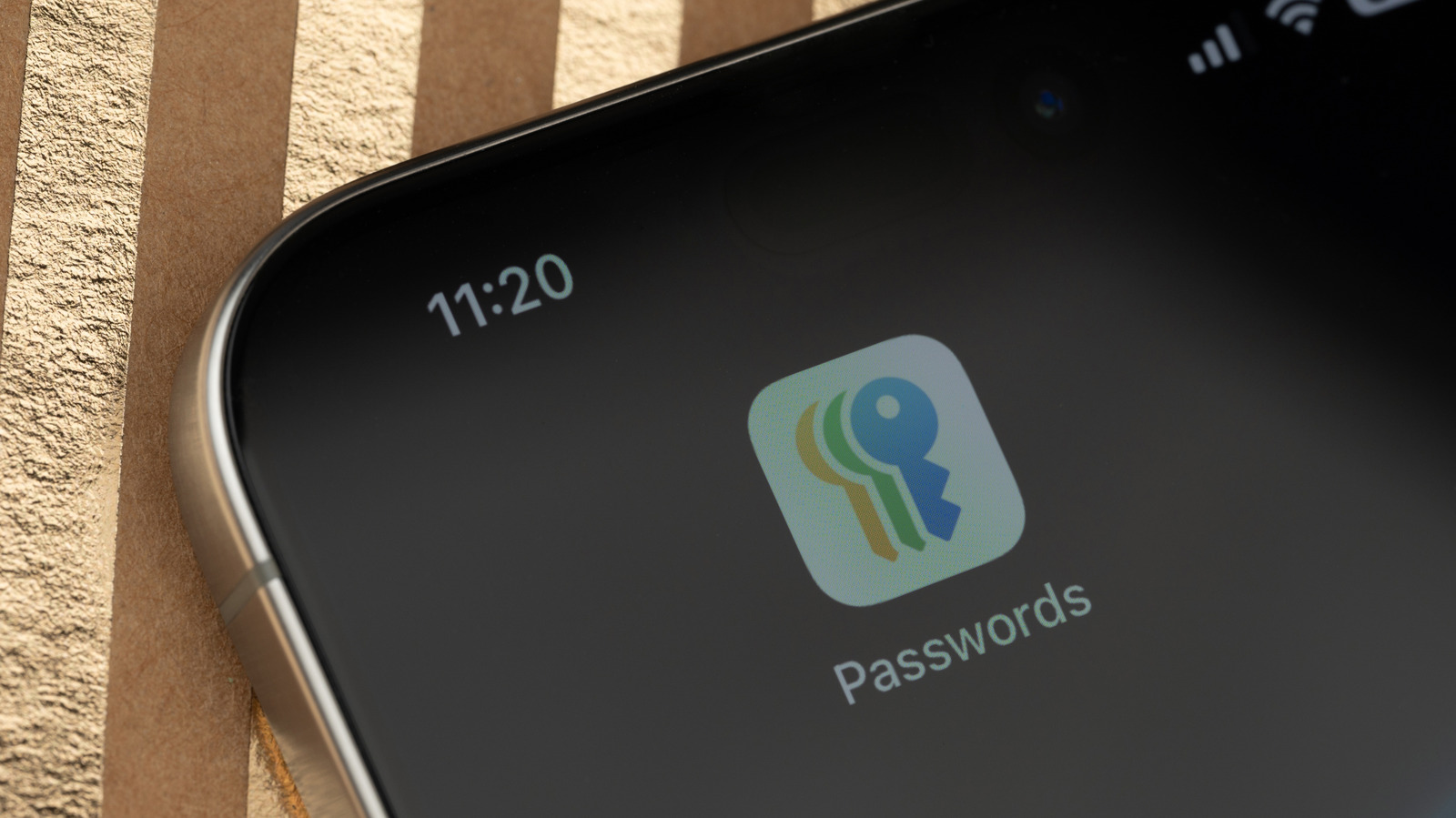
Apple rolled out a fresh security capability in iOS that alerts users if a password stored in iCloud Keychain appears in a documented data breach. The notification surfaces on the device itself, urging the user to examine and refresh the affected login before it can be misused.
It operates by comparing the saved passwords with a repository of compromised credentials compiled by security researchers. This matching occurs locally on the iPhone or iPad, employing cryptographic hashing so the real passwords never leave the device. If a correspondence is detected, iOS marks the item as compromised and provides a single‑tap shortcut to modify the password on the relevant site.
The rollout arrives as high‑profile data breaches continue to surface, leaking millions of credentials across the globe. Reusing passwords and employing weak strings have long been identified as key weaknesses, leading users and platform owners to seek more proactive safeguards. Apple’s update builds on existing iOS tools like password‑strength evaluation and auto‑generation, widening the system’s protection from initial creation to continuous oversight.
In addition to spotting breached passwords, the tool flags credentials that fall short of Apple’s internal strength standards, nudging users toward longer, more complex passphrases. If a weak password is detected, iOS proposes a sturdier substitute and can swap the old entry automatically with the user’s permission. These notifications are embedded within the Settings app and Safari’s password manager, making the warning apparent wherever stored logins are accessed.
Analysts anticipate that the alert mechanism will be deployed to all compatible iOS devices within the next few weeks, with Apple expected to fine‑tune the breach database as fresh leaks emerge. Privacy groups have pointed out that the on‑device processing approach dovetails with Apple’s broader focus on data minimisation, though they will keep watching how the service manages false positives and consent. At present, the feature represents a concrete advance in aiding users to safeguard their online accounts amid a landscape of regular credential compromises.



Comments (0)
Be the first to comment.
Join the discussion