Trump Says He Will Launch an 'AI Force' and Appoint an AI Czar
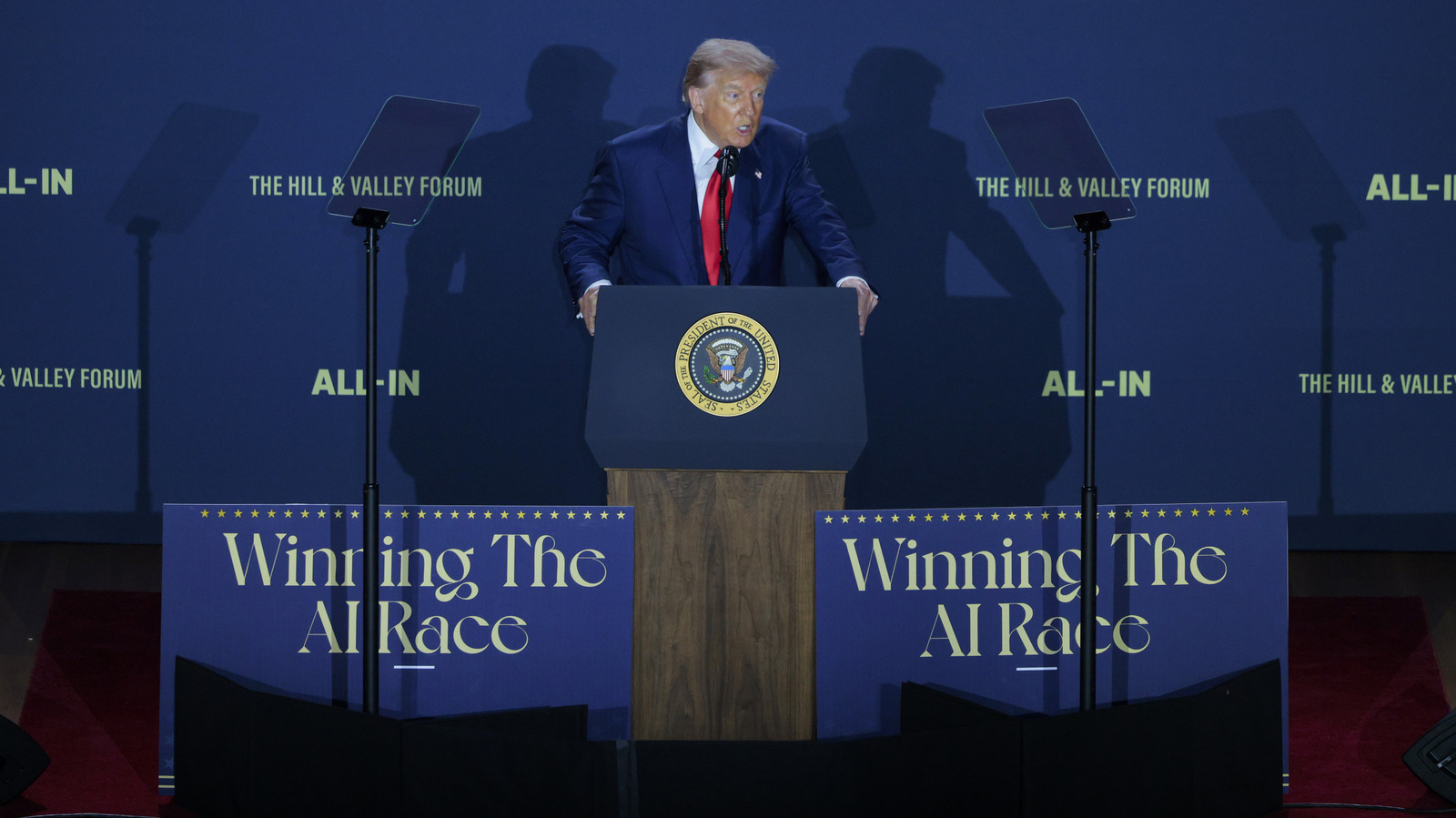
On Thursday, President Donald Trump informed the press that his government intends to roll out an 'AI Force'—a fresh agency meant to synchronize federal artificial‑intelligence initiatives—and that an 'AI czar' will be designated to lead it.
The remark arrived amid growing demands on the White House to craft a unified plan for the swift progression of AI technologies. Although a National AI Initiative Office already exists, officials say the forthcoming body will concentrate on embedding AI within defense, commerce and government functions, potentially consolidating decision‑making that is now spread across several agencies.
Analysts point out that previous administrations have employed the label 'AI czar' for high‑ranking officials charged with AI policy, yet Trump's wording hints at a broader scope. The yet‑to‑be‑named appointee is anticipated to be a senior individual with a background in both technology and public service, although no candidate has been identified.
Detractors contend that establishing a single AI authority may spark worries over oversight, transparency and the risk of politicizing new technologies. Congressional panels have earlier urged more explicit rules on AI safety, data privacy and the ethical deployment of machine‑learning tools, particularly regarding facial‑recognition systems and autonomous weapons.
Proponents, on the other hand, argue that a specialized AI Force would simplify regulation, speed up innovation, and keep the United States competitive against rivals heavily funding AI research and rollout. The administration cites the latest advances in natural‑language processing and generative models as proof that rapid action is needed to capture economic and security advantages.
The release of this news aligns with wider federal talks on AI governance, such as forthcoming hearings on large language models and the preparation of bills targeting algorithmic bias. As the White House moves to select its AI czar, representatives from technology companies, universities and civil‑rights organizations are likely to push for a balanced strategy that protects public interests while encouraging innovation.



Comments (0)
Be the first to comment.
Join the discussion