Study of a Forager Shows Early Farmers Coexisted, Not Replaced
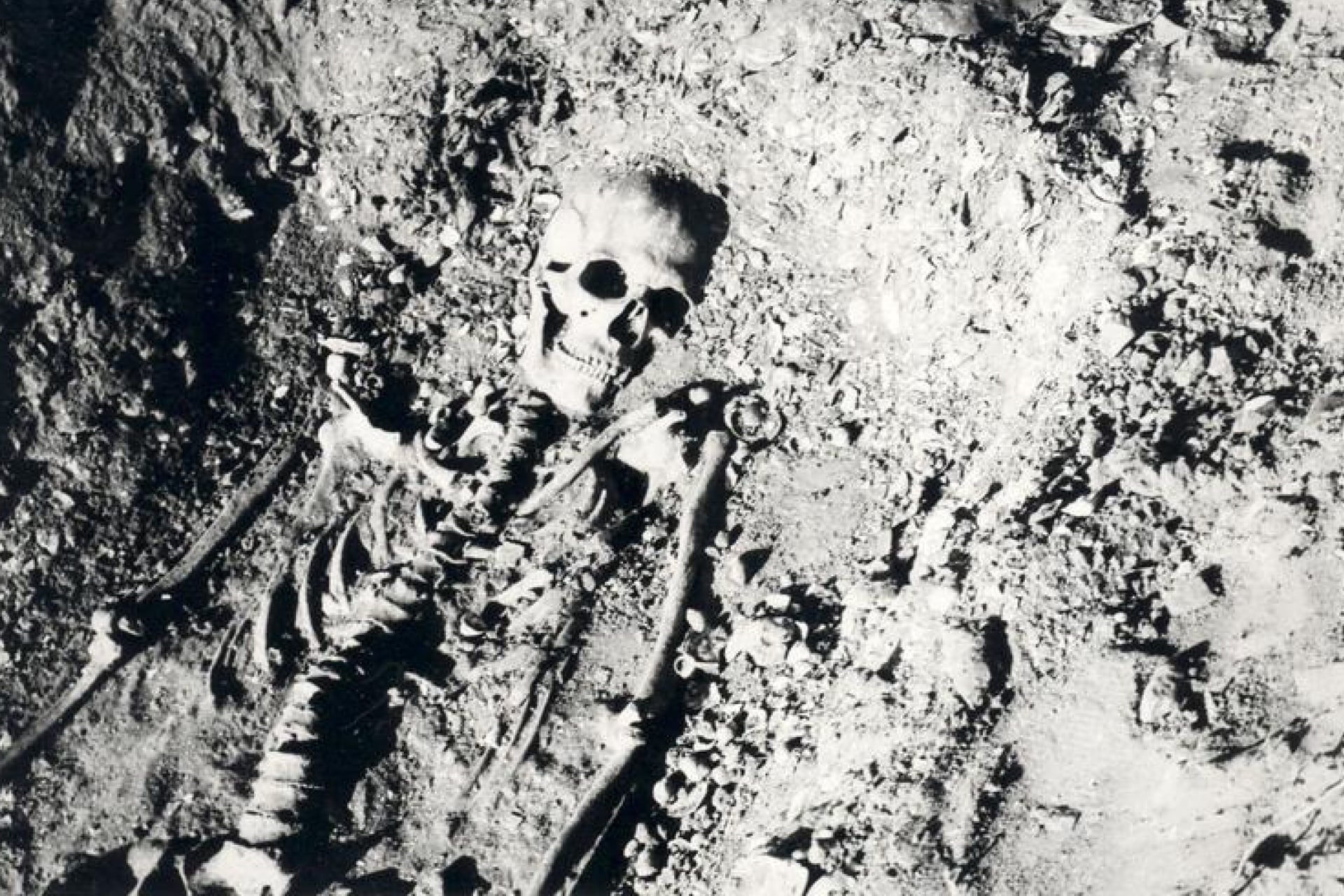
Archaeologists have captured an uncommon glimpse of the planet’s inaugural agricultural shift by examining the remains of one hunter‑gatherer who lived among the earliest farming groups. The skeleton, unearthed from a burial ground that includes both foraging and farming peoples, displays dietary and movement patterns that point to ongoing interaction rather than a sudden takeover.
Isotopic testing of the bones reveals a diet that blended wild animal protein with domesticated grains, indicating a pragmatic response as agriculture spread. The wear on the teeth also shows intake of both uncooked plant matter and processed cereals, highlighting a slow incorporation of new foods into a traditional forager’s menu.
The team reads these data as proof that the shift from hunting‑gathering to farming was not a single, violent rupture but a subtle process of coexistence. Instead of a total displacement of mobile groups, the evidence suggests that certain foragers stayed in their lands, bartered with nearby farmers, and added cultivated crops to their subsistence.
This find fits within a growing body of work that stresses regional differences in agriculture’s spread. In some locales, foragers took up farming swiftly; elsewhere they kept separate ways of life while still engaging in reciprocal trade. This case bolsters the latter model, showing how cultural and economic flexibility allowed both groups to endure during a time of major environmental and social transformation.
Although the precise site of the burial remains undisclosed, the broader implication is evident: the agricultural revolution unfolded as a patchwork of contacts, negotiations, and adaptations. Recognizing this complexity challenges long‑standing stories that cast farming as an inevitable, monolithic force, and it underscores the agency of hunter‑gatherers who negotiated the new economic terrain on their own terms.
Upcoming research plans to identify more mixed‑culture locations and to employ DNA sequencing to untangle the genetic links between early farmers and their foraging neighbours. Such investigations could further reveal how cooperation, competition, and cultural exchange shaped human history during one of its most transformative periods.



Comments (0)
Be the first to comment.
Join the discussion