SpaceX Creditors Oppose Musk’s Scheme to Orbit AI Chip Collateral
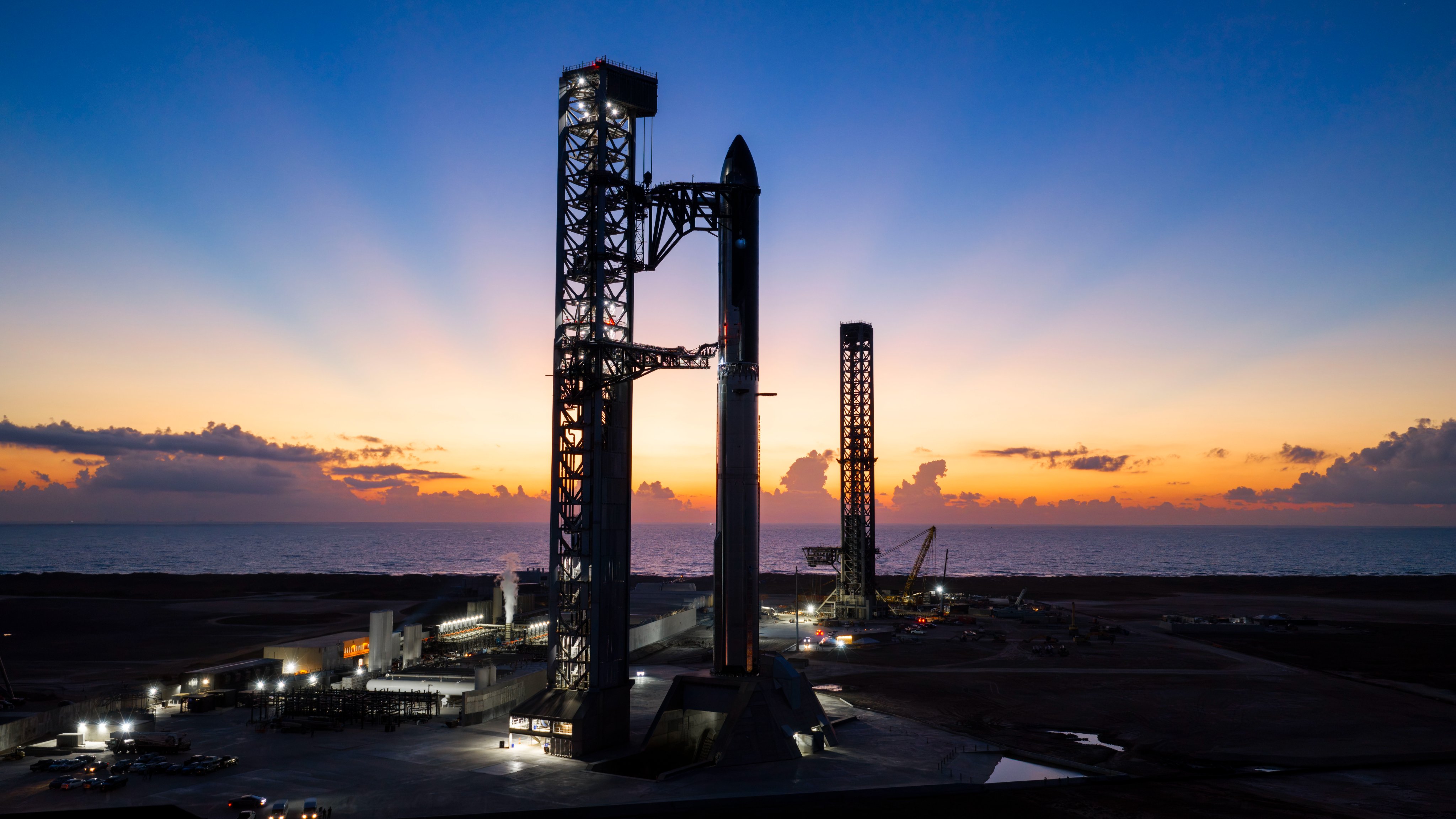
The banks and institutional investors that are underwriting SpaceX’s latest $43 billion loan have formally challenged Elon Musk’s suggestion to send the very assets securing the loan—cutting‑edge AI chips—into space to form a proposed constellation of orbital data centers.
This financing, backed by the state‑of‑the‑art AI processors SpaceX produces for Starlink and other projects, was designed to provide lenders a direct claim on physical collateral. Musk’s plan to relocate that collateral off‑planet would, in the lenders’ view, jeopardize their capacity to enforce the security if the company faces fiscal strain.
According to industry insiders, the creditor group—comprising several large banks and private credit funds—has lodged multiple court filings aimed at stopping the chips from being classified as disposable payloads. Their case rests on established secured‑credit doctrine, which requires collateral to stay under the borrower’s control and be easily recoverable. Launching the chips into orbit, they argue, would make them essentially unrecoverable.
Musk’s idea of an orbital data center derives from his larger ambition to exploit the vacuum of space for running huge AI tasks. In several public presentations, he has argued that the frigid conditions and plentiful solar energy could slash the power expense of training massive models. The proposal envisions sending racks of the loan‑secured AI chips into low‑Earth orbit to function as a dispersed super‑computer.
Although the concept thrills tech enthusiasts, it also prompts a host of practical and regulatory concerns. Rules on space‑debris mitigation, limits of launch‑vehicle capacity, and the challenges of servicing equipment in orbit remain unresolved. Additionally, lenders note that the value of the collateral depends on its physical integrity; radiation and thermal cycling in space could diminish performance, weakening the loan’s security.
The clash is slated to unfold in the courts in the next few months, as both parties assess the ramifications for SpaceX’s overall financing plan. Should the creditors prevail, Musk would have to secure different collateral or renegotiate the loan terms. Conversely, a decision allowing the launch could establish a precedent for treating space‑based assets as loan security, a shift that would echo throughout the budding commercial space industry.


Comments (0)
Be the first to comment.
Join the discussion