Solar-Powered Portable Chargers Rise in Popularity as Outdoor Energy Option
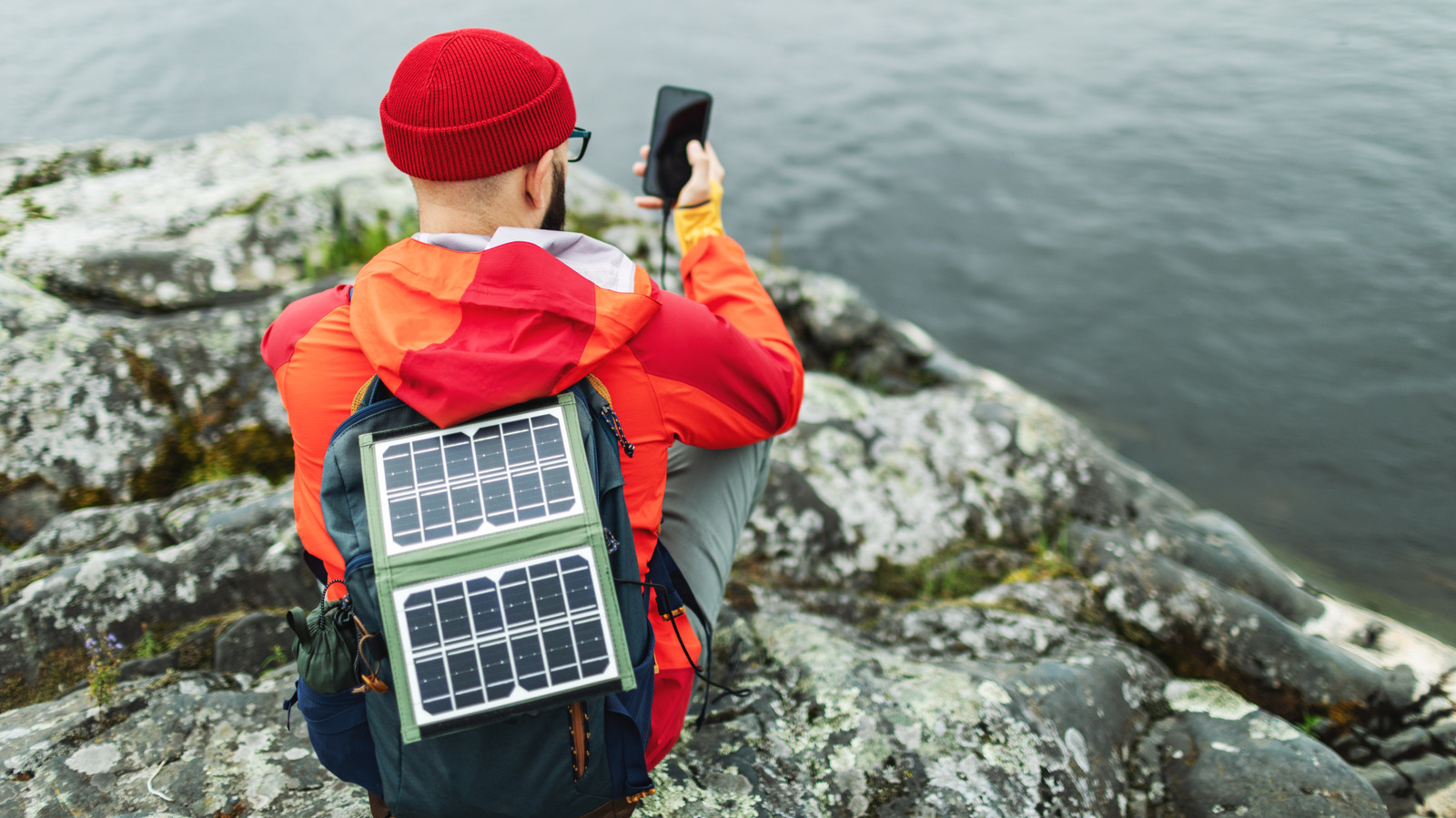
Portable solar phone chargers are shifting from a niche accessory to a common backup solution for campers, hikers and homes experiencing blackouts, as an increasing number of users look for dependable off‑grid power for their smartphones.
These small chargers operate on a simple principle: photovoltaic cells embedded in a collapsible panel capture sunlight photons and produce direct current. An integrated charge controller then transforms that electricity into a steady output—usually 5 V through a USB port—suitable for safely recharging a phone battery. Certain versions also feature an internal lithium‑ion battery, enabling the panel to retain energy for use after dark or during overcast conditions.
Experts advise buyers to weigh a handful of practical factors when selecting a portable solar charger. The wattage rating dictates charging speed; panels in the 5‑to‑10‑watt range typically suffice for a single phone, whereas higher‑output models can support tablets or several devices simultaneously. Efficiency—expressed as the proportion of sunlight turned into usable electricity—impacts how well the charger works in dim light. Toughness elements like water‑proof fabrics, reinforced hinges and rugged housings are vital for outdoor use, and a built‑in battery offers a cushion against sporadic sunlight.
According to market analysts, the portable solar charger market has grown swiftly lately, spurred by heightened consciousness of climate‑induced power outages and an increase in outdoor activities. Recent critiques, such as a guide from a leading tech publication, have underscored new solar chargers that merge fast‑charging protocols like USB‑PD with sturdy, weather‑proof constructions, positioning them as credible substitutes for conventional power banks.
Successful operation still hinges on correct positioning and realistic expectations. For optimal power, the panel must be pointed straight at the sun and tilted to capture peak rays—generally a 30‑ to 45‑degree angle, varying with latitude and season. Clouds, tree shade, and solar angle can sharply slow charging rates, sometimes turning a full charge into a multi‑hour process. Users should keep an eye on temperature, since extended direct‑sun exposure can cause both charger and phone to overheat.
Future developments see manufacturers testing higher‑efficiency cells, solar‑integrated backpacks and multi‑port hubs capable of running devices ranging from lights to compact refrigerators. With advances in battery tech and falling solar‑panel costs, the distinction between emergency gear and daily convenience is set to fade, cementing portable solar chargers as a regular component of the contemporary consumer’s toolkit.


Comments (0)
Be the first to comment.
Join the discussion