RayNeo Unveils Smart Glasses Free of Cameras, Emphasizing Privacy for Users
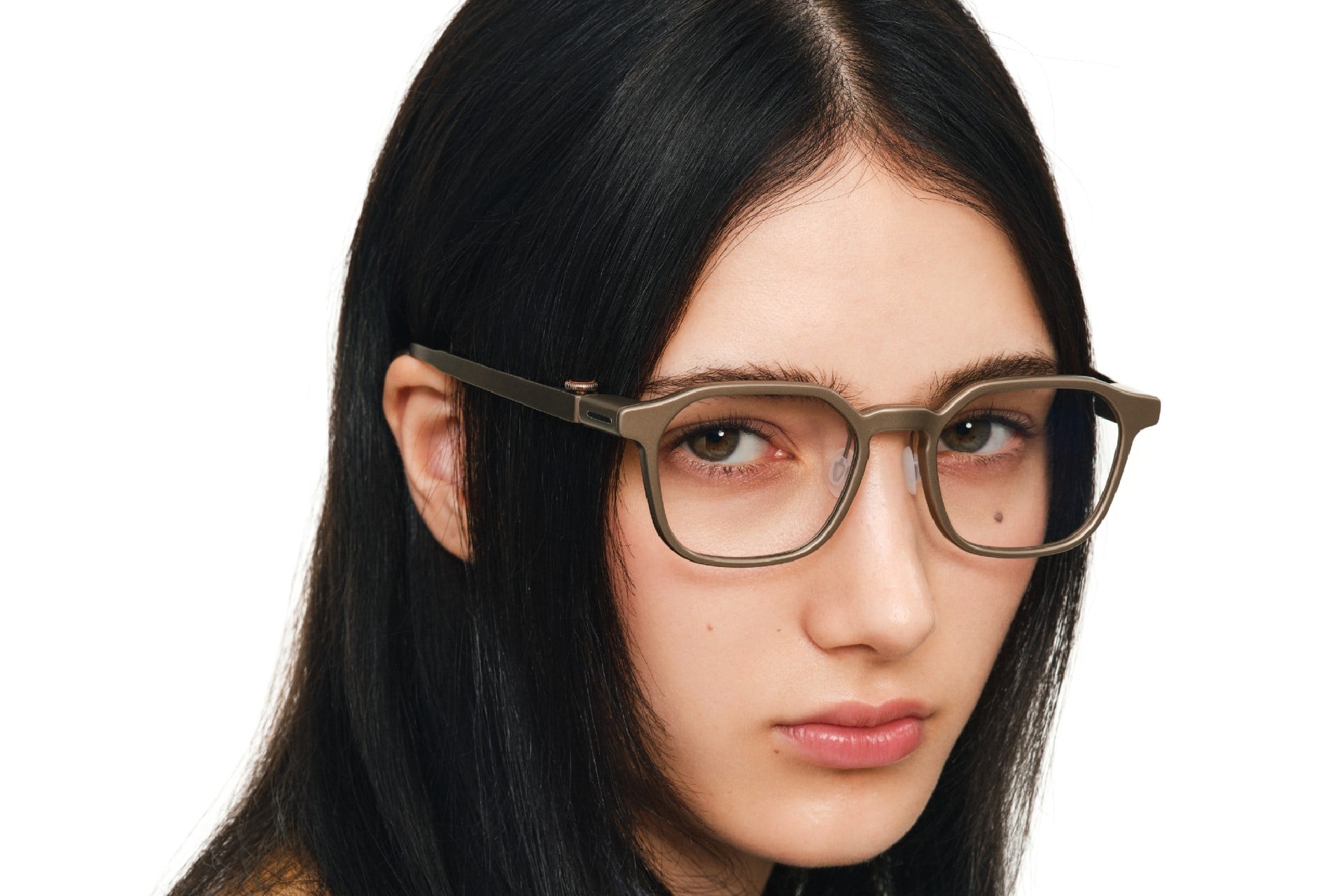
RayNeo, an innovator in the wearable technology sector, has unveiled its latest smart glasses, distinguished by a deliberate design choice: the complete exclusion of an integrated camera. This strategic move suggests a potential reorientation in how manufacturers are approaching the evolving smart eyewear market, with a clear focus on the privacy of both users and the public.
The intentional omission of a camera directly addresses a significant barrier that plagued earlier versions of smart glasses, notably the widely discussed Google Glass. Devices capable of recording often ignited public debate and concerns regarding privacy breaches, fostering distrust among the public and even leading to prohibitions in various venues. RayNeo's approach appears to be a direct counter to these historical issues, seeking to bypass common objections.
By foregoing the camera, RayNeo's new product aims to reinterpret the fundamental purpose of smart glasses. Rather than visual capture, the primary emphasis is likely redirected towards other augmented reality (AR) and connectivity functions. Users can anticipate effortless integration with their digital routines through heads-up displays for alerts, navigational assistance, and potentially improved audio experiences, all without the apprehension of unintentional or clandestine recording.
This design philosophy establishes RayNeo as a distinct player within a rapidly expanding market. While numerous tech firms continue to explore how cameras might enhance AR applications, RayNeo is cultivating a unique position by prioritizing discretion and user comfort in social environments. This could emerge as a compelling selling point for consumers who have been reluctant to adopt smart eyewear due to privacy concerns.
The industry will closely monitor whether RayNeo's camera-free strategy gains significant traction. Should these glasses resonate with a broad consumer base, it could prompt other manufacturers to reassess their own design decisions, potentially initiating a new trend toward more privacy-focused wearable devices. This could foster a diverse ecosystem of smart glasses, catering to varying user priorities.
While eliminating the camera resolves one major ethical dilemma, it also introduces a distinct set of opportunities and hurdles. The company will need to effectively articulate the value proposition of glasses that intentionally omit a common smartphone feature, highlighting their unique strengths in areas such as unobtrusive information delivery or hands-free interaction, free from the perception of 'spying'.
RayNeo's bold decision to launch smart glasses without a camera signifies a thoughtful reconsideration of what consumers genuinely desire from wearable technology. By actively alleviating privacy anxieties, the company endeavors to pave the way for broader acceptance and seamless incorporation of smart eyewear into daily life, potentially establishing a new benchmark for responsible innovation in the sector.



Comments (0)
Be the first to comment.
Join the discussion