President Putin’s E‑Vote Shown on Unlicensed U.S‑Made Windows 10 Dell PC
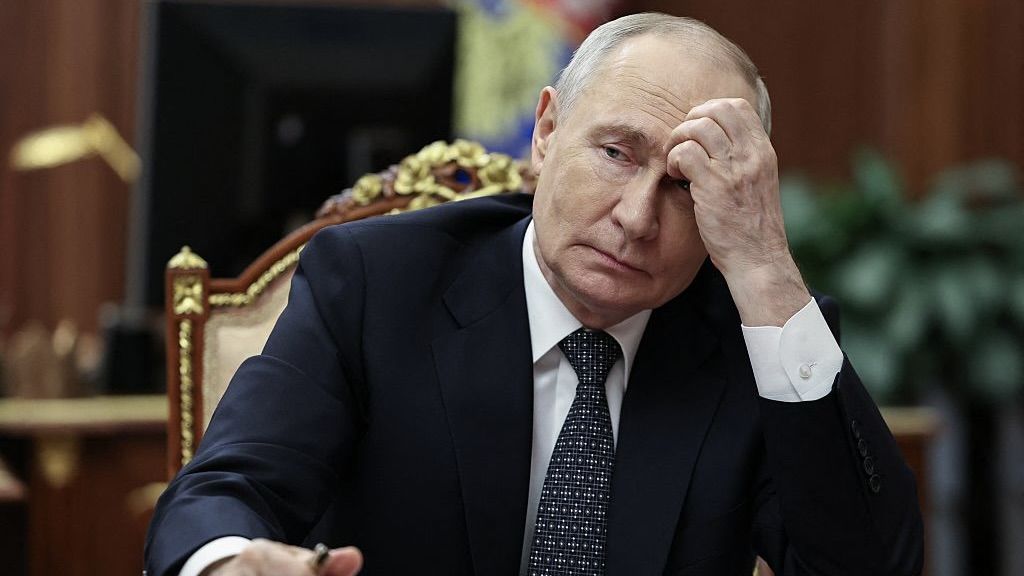
In a recent press conference, Russian President Vladimir Putin was displayed submitting his vote in the parliamentary election through an online voting system. The short clip issued by the Kremlin not only demonstrated how the digital ballot works but also exposed the hardware and software behind it.
The footage shows the leader’s terminal to be a Dell PC built in the United States. It operates on Microsoft Windows 10, and on‑screen cues indicate that the operating system is not activated. The typical desktop watermark signaling an unlicensed copy is plainly visible, a point that has attracted notice from tech analysts around the globe.
The episode comes as Russia’s drive to adopt electronic voting faces both operational optimism and security scepticism. Authorities claim that internet‑based voting widens participation, particularly in distant areas, whereas opponents caution that it may open the election to cyber‑attacks and tampering. Discovering that the president’s own machine depends on foreign hardware and an unlicensed software version injects fresh controversy into the discussion.
Experts point out that employing a U.S.-made Dell computer highlights the continued reliance of Russian government bodies on Western tech, even as they pursue home‑grown substitutes. Additionally, the unactivated Windows 10 installation prompts queries regarding procurement practices and adherence to software licensing rules inside the Kremlin’s IT framework.
Although the Kremlin remains silent on the licensing matter, the visual proof has ignited debate over the wider consequences for Russia’s digital sovereignty agenda. Commentators argue that the incident may lead to a review of hardware acquisition policies and bolster demands for a native operating system to supplant foreign platforms. With the final stages of parliamentary voting approaching, scrutiny of Russia’s digital infrastructure is set to grow, potentially affecting internal policy and global tech trade dynamics.


Comments (0)
Be the first to comment.
Join the discussion