Chinese MSS Agent Said to Have Pursued Nvidia CEO as Part of Spy Operation
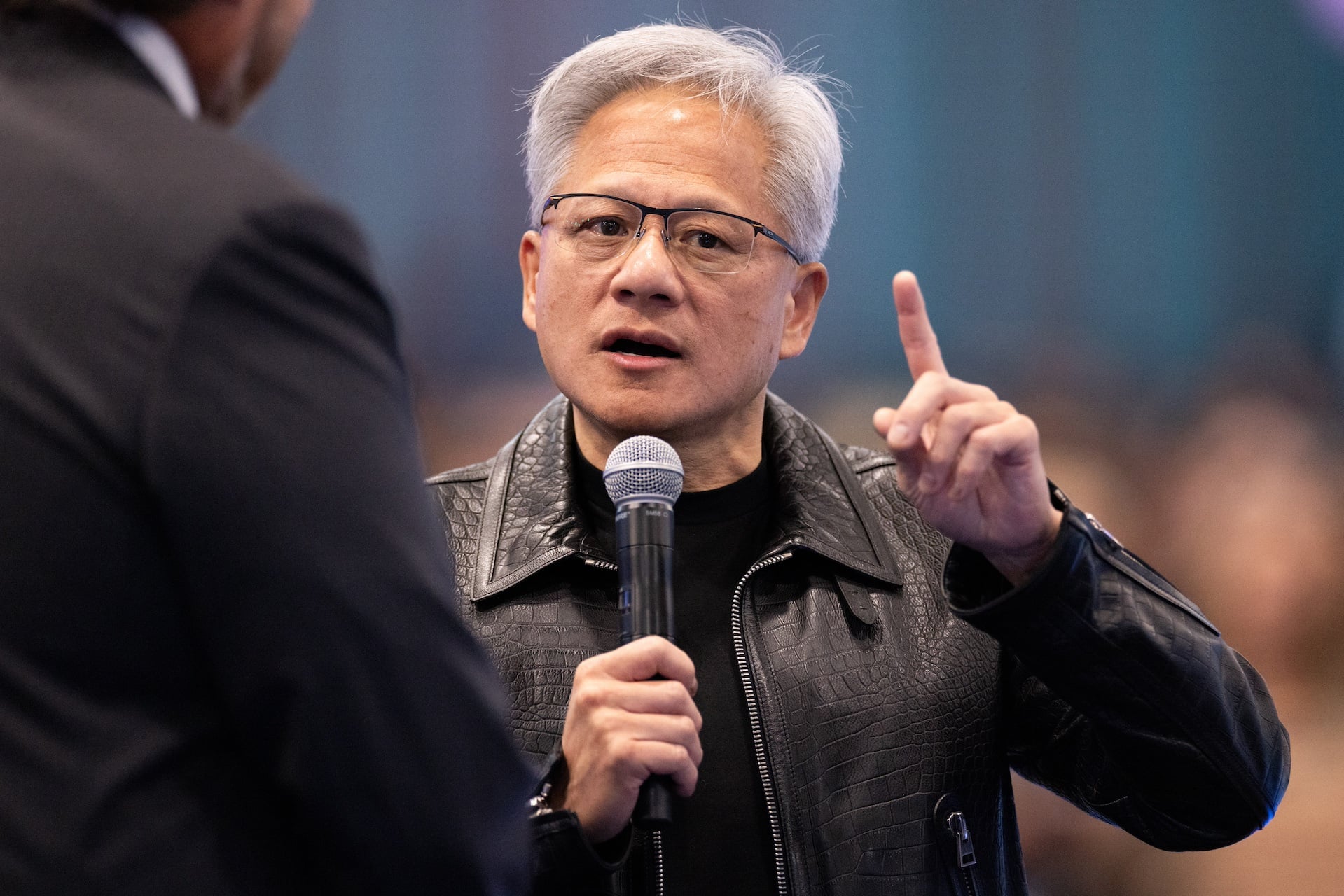
A New York Times probe recently uncovered that a woman who developed a personal rapport with Nvidia founder and CEO Jensen Huang was actually an operative hired by China’s Ministry of State Security, the country’s top intelligence service.
The report states that her assignment was to win Huang’s confidence and obtain details on Nvidia’s cutting‑edge AI hardware. Building on prior Gizmodo coverage, the article notes that the operative was employed directly by the MSS and leveraged the personal tie as a channel for possible intelligence collection.
Nvidia, a dominant force in graphics processing units and AI accelerators, sits at the heart of the wider strategic competition between the United States and China. Its processors drive data‑center AI tasks and are essential to emerging fields such as autonomous vehicles and cutting‑edge scientific research. Because of its stature, the firm is a prized target for foreign intelligence agencies aiming to close the technology gap.
China’s intelligence network has a well‑recorded pattern of going after U.S. tech companies, frequently deploying “intelligence‑collection” agents who infiltrate professional or social networks to steal proprietary information. Earlier incidents have featured cyber attacks, insider recruitment, and front‑company schemes to secure technical expertise. This fresh claim introduces a personal‑relationship angle to the toolbox of methods documented in earlier probes.
The disclosure comes as U.S. officials ramp up examination of Chinese influence campaigns within the private sector. Recent advisories from federal agencies have urged firms to strengthen counter‑intelligence safeguards, while multiple congressional committees are probing the security ramifications of foreign recruitment targeting senior leaders.
Chinese authorities have offered no comment on the particular accusations, a typical response in comparable situations. The Ministry of State Security, which directs both domestic and overseas intelligence work, usually avoids publicly addressing individual missions.
Analysts suggest the story might push Nvidia to reassess its internal security measures and could spark wider industry‑wide evaluations of foreign‑agent threats. As the United States wrestles with safeguarding its tech advantage, cases such as this highlight the intricate nexus of corporate leadership, national security, and global espionage.



Comments (0)
Be the first to comment.
Join the discussion