Philadelphia Woman Charged for Blocking Autonomous Delivery Robot
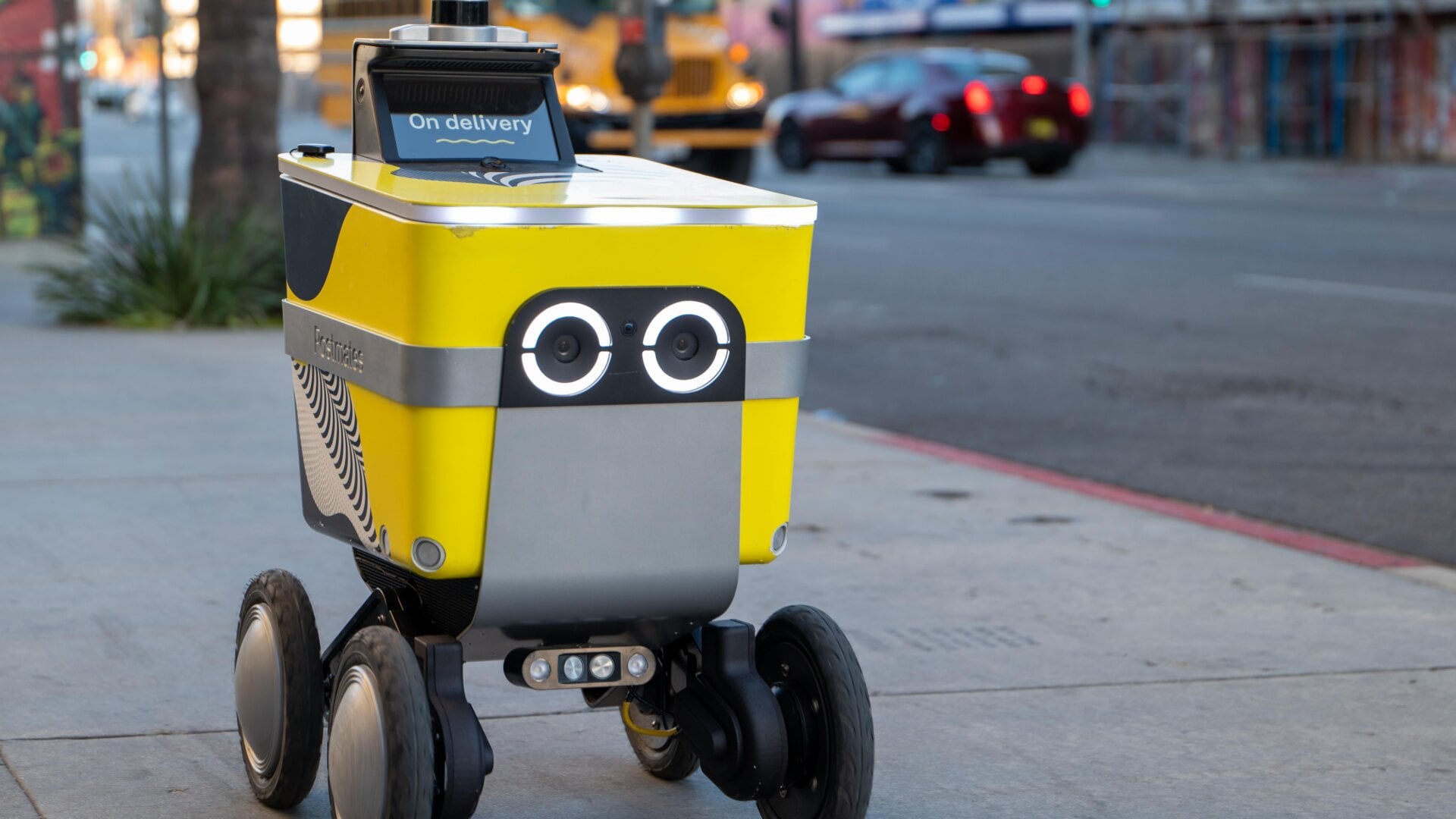
On Tuesday, Philadelphia officials arrested a woman who intentionally obstructed a delivery robot traveling on a sidewalk, highlighting the city’s renewed commitment to preventing interference with autonomous equipment.
The episode unfolded in Center City, where a compact wheeled robot was trying to make its way through a crowded footpath. Officers arrived after a witness called in the blockage, and the woman was booked on a charge of interfering with a vehicle operating on public streets.
Philadelphia has previously encountered controversy surrounding robotics. Back in 2015, the city attracted attention when the Canadian‑made hitchhiking robot HitchBot was vandalized and eventually ruined during its coast‑to‑coast journey, prompting broad debate over public sentiment toward autonomous machines. This latest arrest indicates the city is adopting a more proactive stance to safeguard such technology.
Delivery robots—commonly used by restaurants and e‑commerce companies to move meals and small parcels—have multiplied across cities as firms aim to cut labor expenses and ease traffic congestion. Although a large portion of locals value the convenience, a vocal minority raises worries about safety, privacy, and the visual clutter created by robots traversing sidewalks.
Municipal leaders argue the detention highlights the necessity for explicit guidelines on how pedestrians and autonomous systems coexist. "We are dedicated to keeping our streets safe for both citizens and the emerging technologies that serve them," a Philadelphia Police Department spokesperson stated. The department has not revealed if the woman will incur further penalties beyond the original citation.
Legal analysts point out that current laws already prohibit interference with vehicles, yet applying those statutes to diminutive delivery robots remains a developing area. As cities nationwide wrestle with incorporating robots into public realms, Philadelphia’s move may serve as a model for jurisdictions contemplating tougher enforcement. The case also prompts inquiry into how manufacturers will engineer robots to discourage obstruction while honoring public space, a balance poised to influence the next stage of urban automation.


Comments (0)
Be the first to comment.
Join the discussion