Old Smart Home Gadgets Could Be the Weakest Point in Your Network Defense
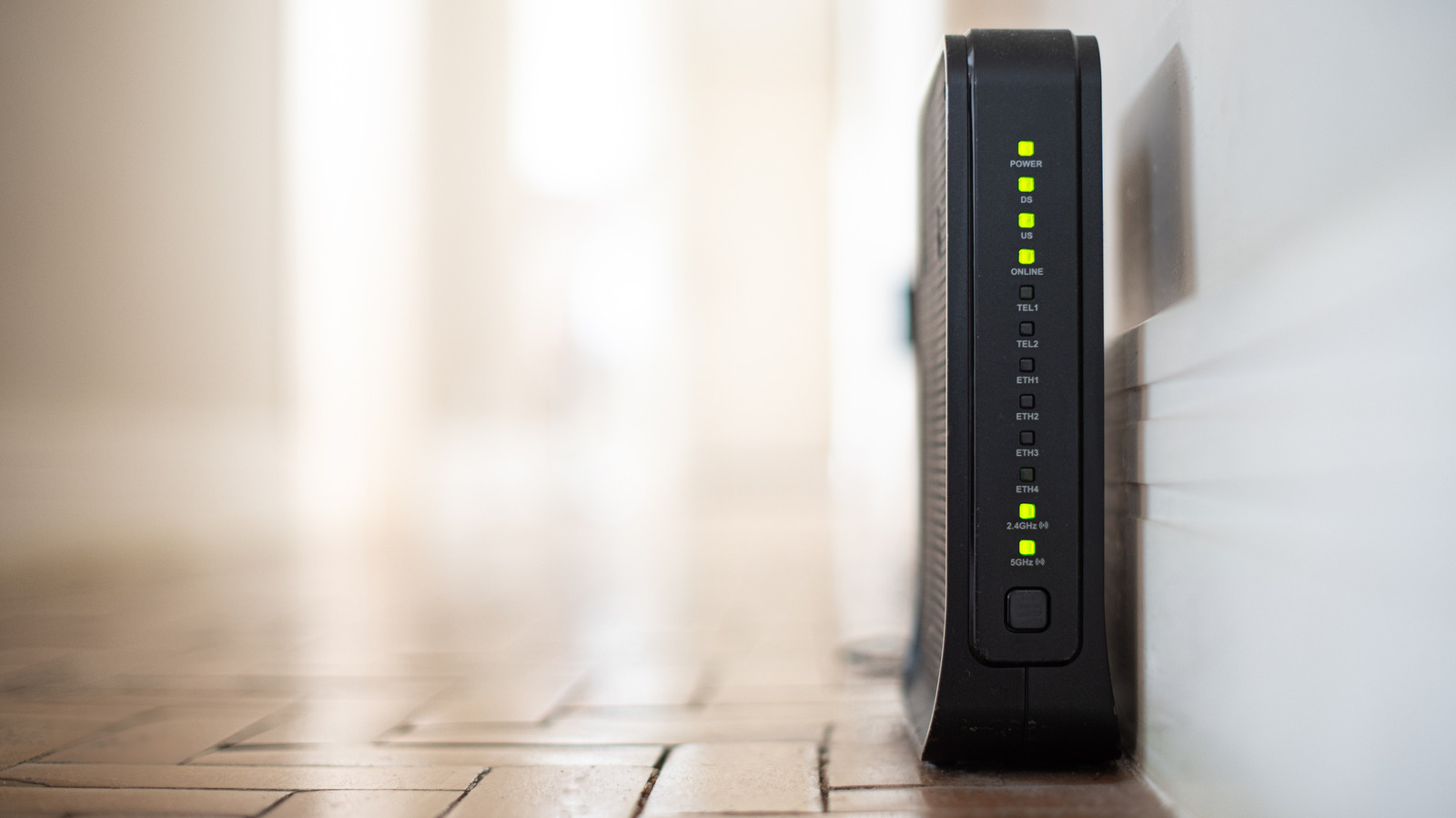
Security specialists caution that the biggest unnoticed risk in numerous homes isn’t a laptop or phone, but the outdated smart plugs, routers and other connected gadgets that continue operating well past their supported lifespan.
Most makers stop providing software updates for consumer‑grade equipment after a short period, usually between two and five years. Once a device stops receiving patches, any new vulnerability stays unpatched, offering attackers a foothold that can be used to breach the whole home network.
Researchers have shown that a vulnerable smart thermostat or an antiquated Wi‑Fi extender can be hijacked with a straightforward exploit, letting malicious code jump to higher‑value assets like personal computers, security cameras, and even home‑automation hubs. Since these devices frequently run on default passwords or weak authentication, the entry hurdle for a hacker is exceptionally low.
The danger escalates as the number of Internet‑of‑Things (IoT) products that talk to one another expands. Compromising a single device can trigger a cascade, giving the attacker reach into a wider network of sensors, locks and voice assistants. Often, owners don’t even realize these gadgets occupy the network, which hampers detection of the intrusion point during a security review.
Although swapping out every old gadget can strain a budget, experts recommend feasible mitigation measures. Installing firmware updates when they’re available, replacing default passwords, placing IoT devices on a distinct VLAN, and turning off remote‑management functions can markedly lower risk. For hardware that no longer gets updates, the safest option is to retire it or isolate it from essential network assets.
Industry analysts forecast that as the IoT market grows, the share of legacy hardware in residences will increase, driving demand for longer‑term support schemes and stronger security standards. Until those shifts become standard, consumers must weigh the convenience of retaining older devices against the possible expense of a network breach.


Comments (0)
Be the first to comment.
Join the discussion