Officials Caution Against Daisy‑Chaining Power Strips Due to Fire Hazard
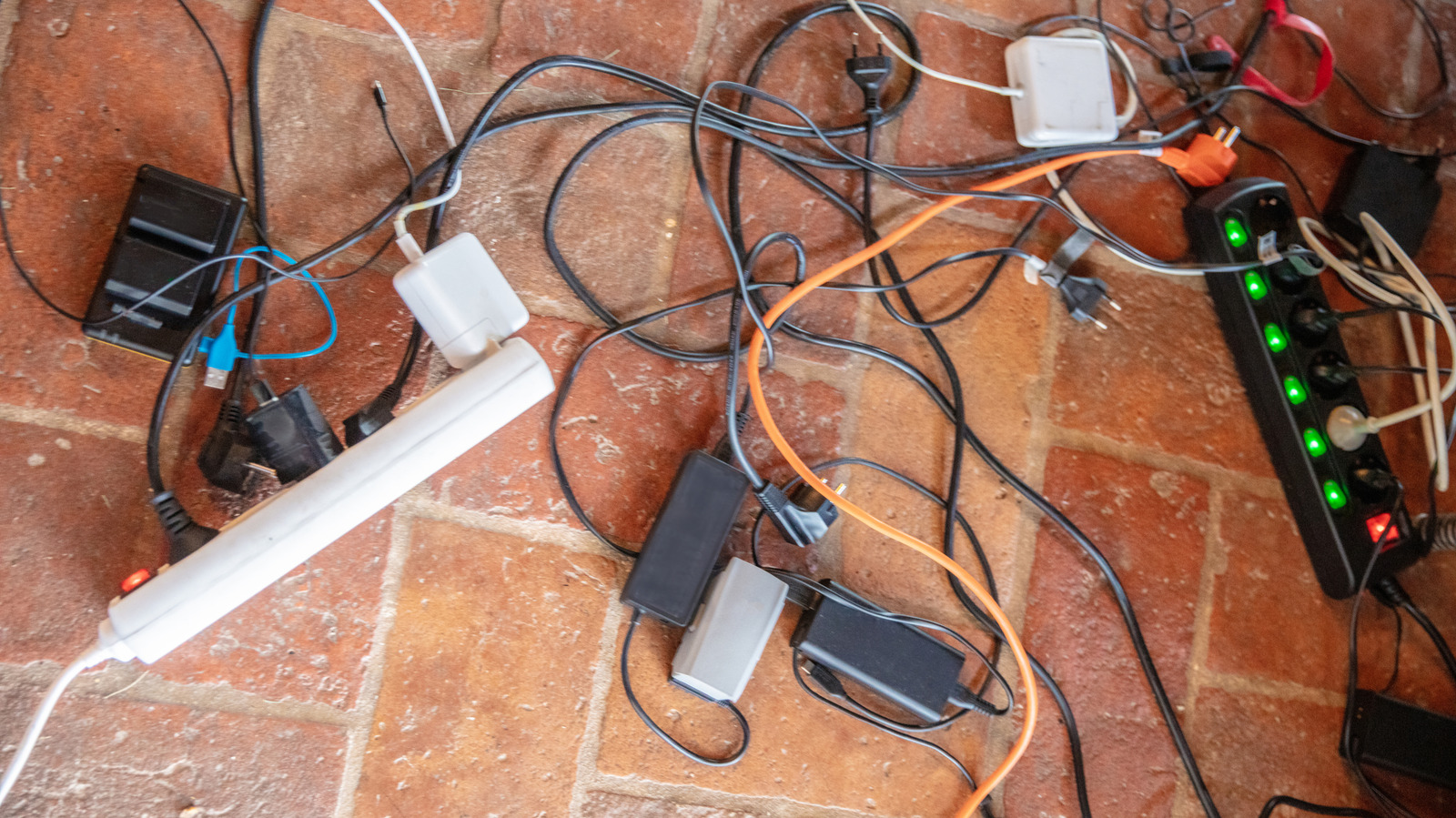
Safety regulators are warning people not to attach one power strip to another—a method called daisy‑chaining—since it has been pinpointed as a frequent trigger for overloaded circuits and home fires. Although power strips are handy when wall sockets are limited, chaining them can rapidly surpass the capacity of both the wall outlet and the strip, producing a dangerous condition.
The majority of power strips are built to carry a modest current—usually 15 amps in North America—and often contain surge‑protective parts tuned to that limit. Plugging a second strip into the first adds the power draw of all connected equipment, which can exceed the strip’s internal wiring limits and override the safety features of the original device. This overload generates heat that may melt insulation or set nearby material aflame.
Investigators of electrical fires have consistently linked many blazes to overburdened power strips, notably in home offices, media centers, and makeshift work areas packed with chargers, computers and appliances. The issue is worsened because numerous users mistakenly believe a strip’s surge protection also guards against overcurrent—a misconception. An overtaxed circuit can also cause breakers to trip, cutting power to essential devices during high‑demand times.
Guidelines issued by the National Electrical Code and consumer‑product regulators advise employing only one strip per wall outlet and confirming that the combined load of all devices stays within the outlet’s rating. Consumers ought to verify the amperage rating displayed on the strip, steer clear of high‑wattage items like space heaters, and contemplate moving to a dedicated circuit or a higher‑capacity strip equipped with built‑in overload protection for demanding setups. Basic actions such as disconnecting idle devices also help maintain a safe load.
Manufacturers are reacting by introducing more explicit labels and automatic shut‑off mechanisms that disengage power when a strip senses an unsafe current. At the same time, building‑code authorities are launching educational campaigns to alert consumers to the hazards of daisy‑chaining. With greater awareness, the aim is for homes to depend on correctly rated outlets instead of improvising with several strips, thereby lowering fire risk and enhancing overall safety.


Comments (0)
Be the first to comment.
Join the discussion