Nvidia RTX 5090 Owner Reports Melted Riser Cable, Urging Caution for Advanced PC Builds
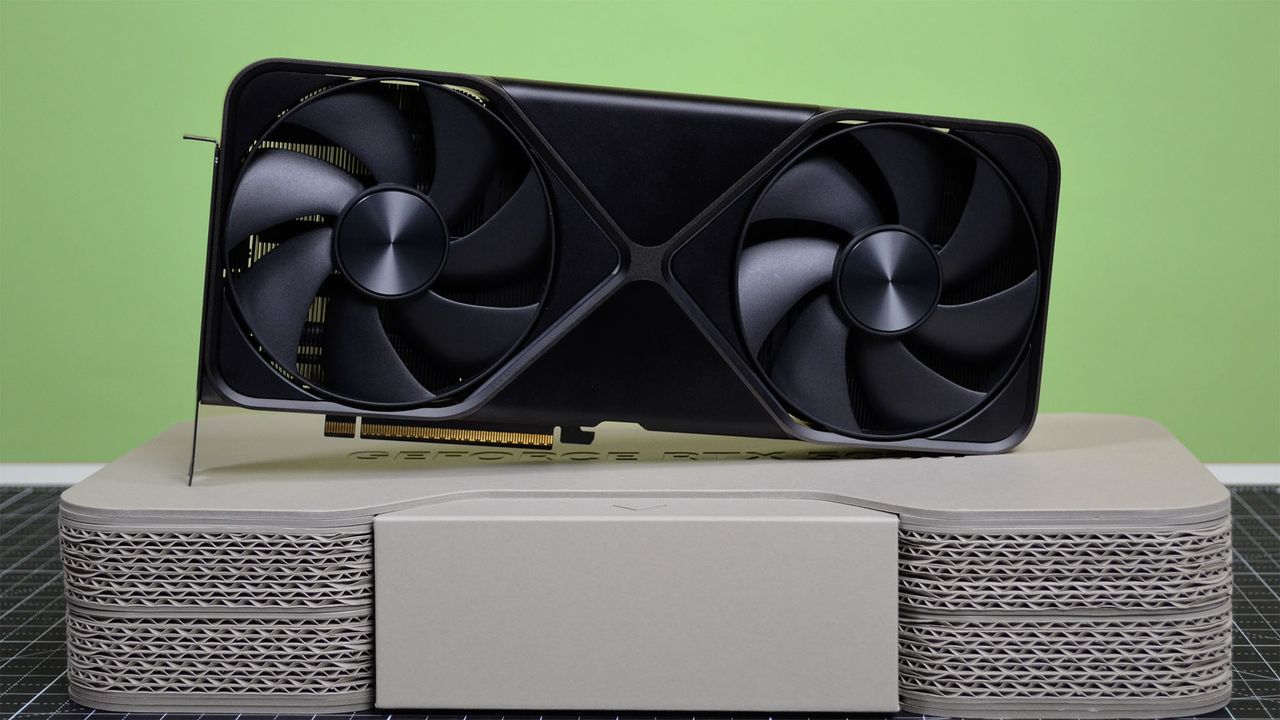
An recent occurrence involving an Nvidia RTX 5090 graphics card has drawn attention to potential weak points in PC assembly configurations, particularly those that incorporate PCIe riser cables. A user on Reddit disclosed that their newly installed RTX 5090 partially melted a section of its associated riser cable, a component frequently utilized for vertical GPU mounting or within compact system designs.
The reported harm involves a portion of the riser cable's material adhering to the backplate of the high-performance RTX 5090. While the precise cause remains under investigation, the incident suggests that the significant heat output generated by top-tier GPUs, coupled with potentially inadequate spacing or airflow, could lead to the degradation of materials in nearby components.
PCIe riser cables allow builders to orient their graphics cards in positions other than the conventional horizontal slot, offering aesthetic advantages and, depending on case design, sometimes better thermal management for the GPU itself. However, the close proximity of the cable to the GPU's heat-generating elements, especially the backplate which can become quite warm, appears to have contributed to this specific melting event.
This situation, though concerning, is not being equated with the more severe power connector melting issues observed in certain previous generation graphics cards. Those past incidents, often linked to high current draw through specific connectors, posed a direct threat to the GPU's power delivery system. In contrast, the current report describes damage to a data/extension cable due to its nearness to heat, rather than a failure of the power supply itself.
Nevertheless, the incident serves as a critical reminder for PC enthusiasts and builders to exercise prudence when assembling systems with powerful hardware. Ensuring ample clearance between components, particularly between high-heat-generating GPUs and flexible cables, is paramount. Effective cable management that prioritizes air circulation and avoids direct contact with hot surfaces can mitigate such risks.
Experts recommend that builders thoroughly consider the thermal characteristics of their chosen components and the overall air movement within their PC case. Regular inspections of cables and components in high-stress zones can also help identify potential problems before they escalate. As graphics cards continue to push performance boundaries, their associated heat generation will remain a significant factor in system architecture.
The report from the Reddit user highlights the persistent challenges in managing the thermal demands of contemporary computing hardware. For those planning or upgrading to high-end GPUs like the RTX 5090, meticulousness in system construction and component placement will be crucial for ensuring both the performance and longevity of their custom builds.



Comments (0)
Be the first to comment.
Join the discussion