Netflix Secures 2030 World Cup Streaming for Spain and Andorra
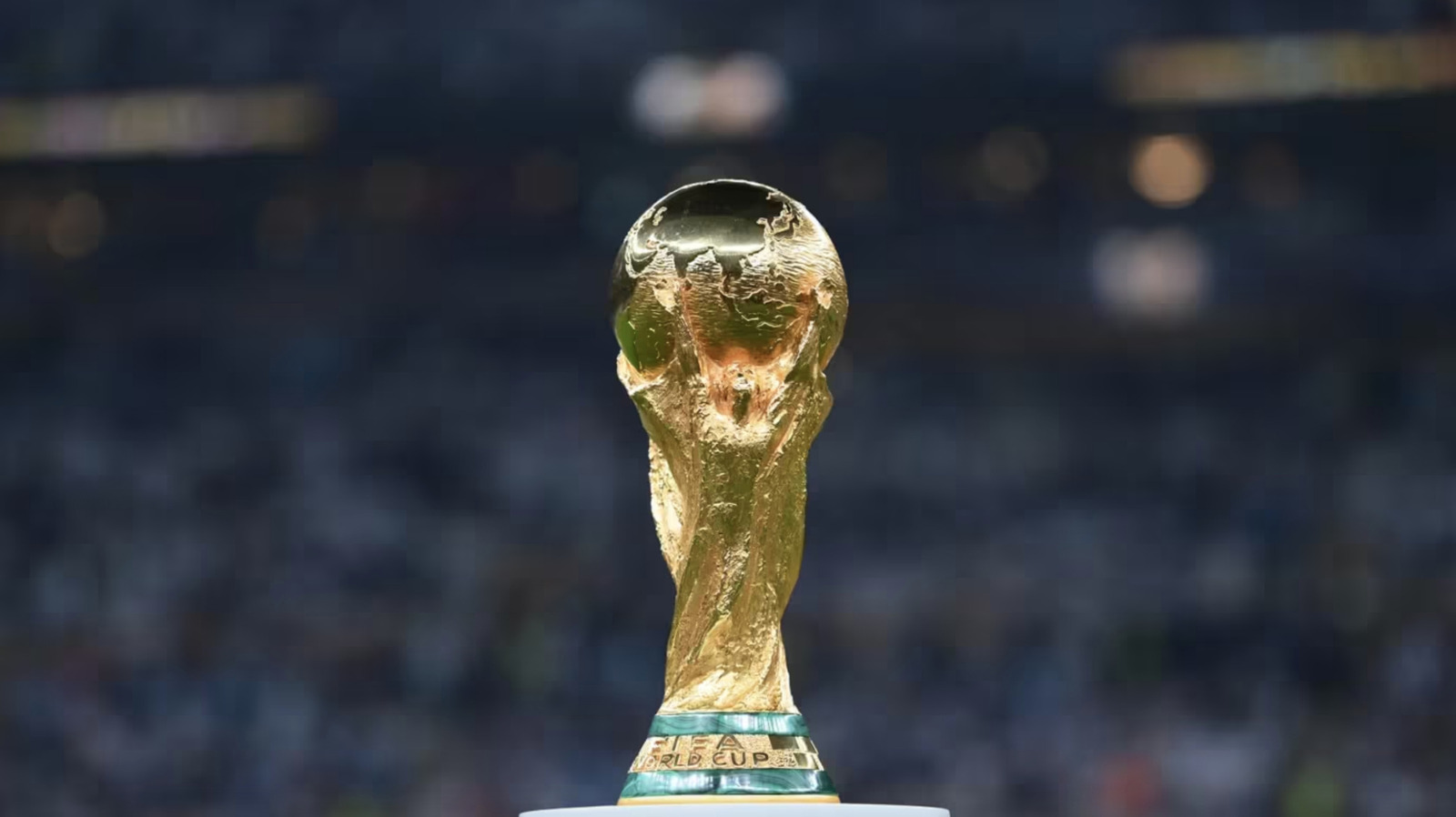
This week, Netflix revealed that it will broadcast the forthcoming 2030 FIFA World Cup to its subscribers in Spain and the micro‑state of Andorra, representing the company's inaugural venture into live football for a major international tournament within those territories.
The decision aligns with a growing pattern of over‑the‑top services acquiring sports rights that were once the domain of traditional broadcasters. Netflix has previously dabbled in live sports, having streamed select NFL matchups and the 2022 FIFA Women’s World Cup in certain markets, and this latest deal broadens its sports catalogue ahead of the June‑July 2030 tournament.
Spanish and Andorran viewers will be able to watch the World Cup via the familiar Netflix app on smartphones, tablets, smart TVs and other connected devices, eliminating the need for a dedicated sports package. Access will be limited to those two nations, so audiences elsewhere must rely on local broadcasters or alternative streaming platforms to view the live games.
Analysts suggest that Netflix’s move into live football may challenge established broadcasters across the Iberian Peninsula, where free‑to‑air stations and pay‑TV services have traditionally controlled World Cup broadcasts. By packaging the tournament alongside its current entertainment offerings, Netflix could lure a younger, cord‑cutting demographic that favors on‑demand access and a one‑stop subscription.
Fans in Spain and Andorra are already gearing up for the shift; the release included a tongue‑in‑cheek note advising travelers to keep VPNs handy if they want to keep streaming while abroad. Although VPNs can bypass geographic restrictions, their use sparks debate over licensing enforcement and the outlook for region‑locked content.
The deal highlights Netflix’s push to broaden its catalogue beyond scripted shows and films, seeking to evolve into a full‑scale entertainment platform. As the 2030 World Cup approaches, Netflix might pursue further rights in adjacent territories, while regulators and FIFA will watch how streaming deals fit with current broadcast agreements throughout Europe.


Comments (0)
Be the first to comment.
Join the discussion