Kenyan Physicians Identify First Fully Drug‑Resistant Candida auris Case
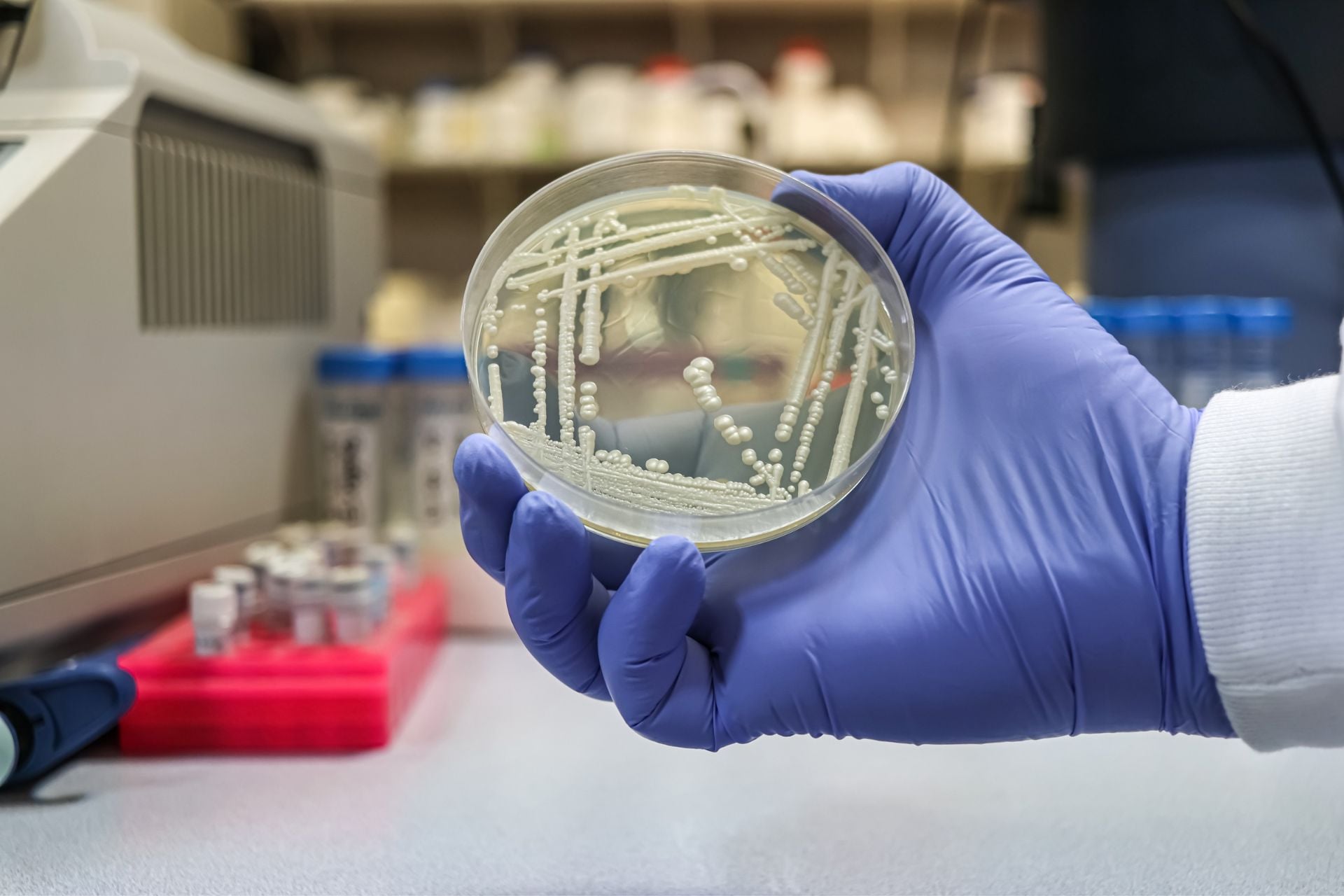
Researchers based in Nairobi have verified a Candida auris infection that is unresponsive to all major antifungal drug categories, representing the inaugural recorded case of a fully pan‑resistant strain in East Africa.
First discovered in Japan in 2009, this yeast has proliferated across hospitals around the globe and gained notoriety for bypassing conventional therapies. Its capacity to persist on surfaces and transmit between patients renders it a potent hospital‑acquired hazard, particularly within intensive‑care units populated by high‑risk patients.
The Kenyan Medical Research Institute team reports that the patient—a middle‑aged person hospitalized for a postoperative infection—did not improve after several courses of echinocandins, azoles and polyenes. Tests employing broth microdilution and genomic sequencing identified mutations linked to resistance in every drug pathway examined, confirming the organism’s pan‑resistance. The incident was forwarded to the national health authority and entered into the World Health Organization’s fungal disease surveillance system.
Physicians are now confronted with a therapeutic impasse, with the sole alternatives being experimental drugs or untested combination therapies. The facility has implemented rigorous isolation measures, intensified environmental decontamination, and contact‑precaution training to curb additional transmission. Specialists caution that, absent novel antifungal classes, such infections may become incurable, resulting in increased mortality and prolonged hospitalizations.
Health authorities note that the Kenyan incident highlights the pressing need for worldwide surveillance of Candida auris and faster development of new antifungal agents. The WHO has already ranked drug‑resistant fungi among the ten greatest public‑health threats, calling on countries to boost laboratory capabilities and exchange resistance information. As the organism keeps evolving, the medical field expects that coordinated monitoring and funding for drug research will be essential to stay ahead of this shifting fungal threat.



Comments (0)
Be the first to comment.
Join the discussion