Inca Rituals Included Ornate Llama Burials, New Study Shows
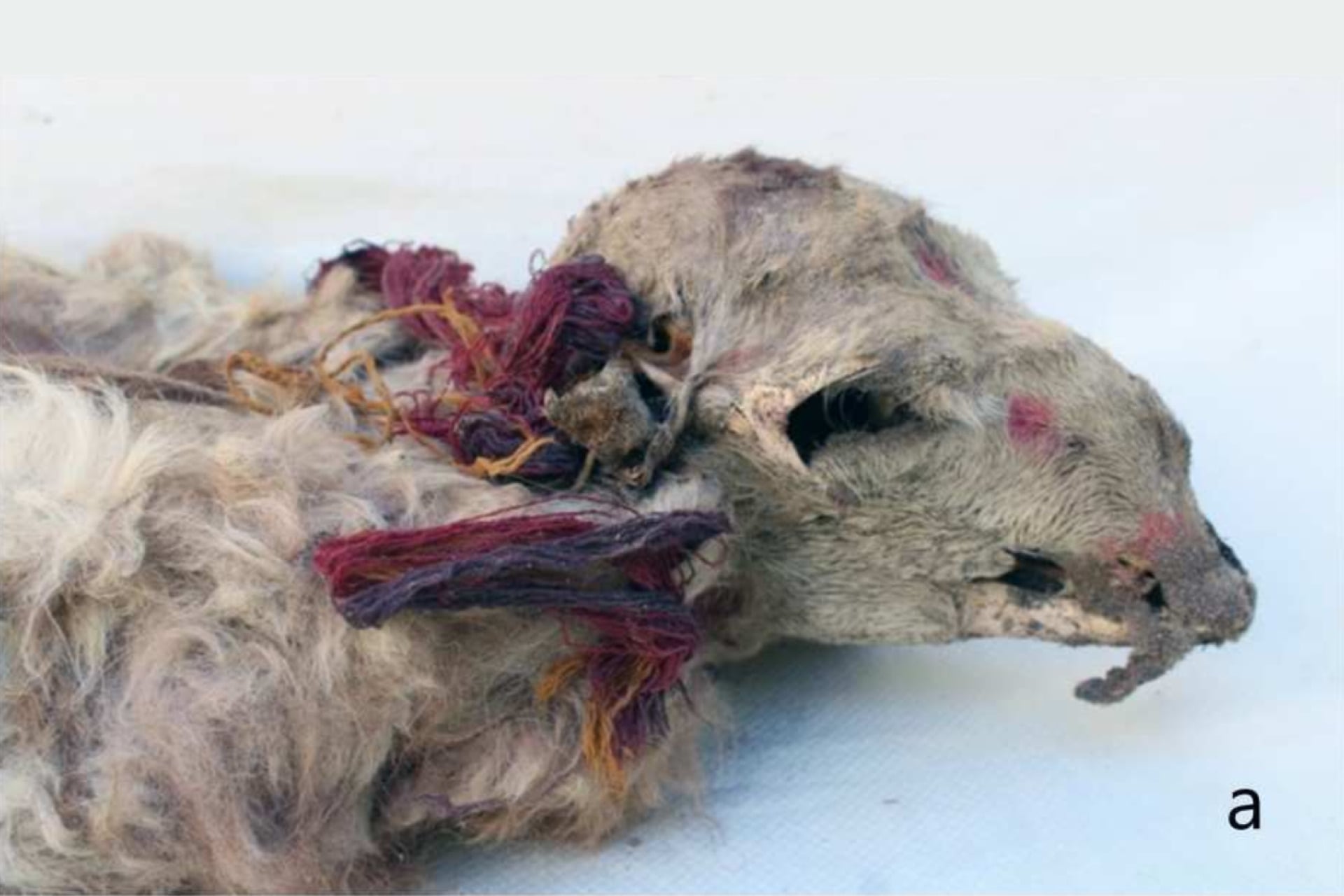
Recent archaeological research indicates that the Inca Empire conducted elaborate burial ceremonies for llamas, embellishing the creatures with tassels, painted faces and various ornaments prior to interment, a finding that questions long‑standing views based on early Spanish chroniclers.
Scientists investigated several burial locations across the Andean highlands, uncovering dozens of llama skeletons together with pieces of vivid textile fibers and pigment traces. Microscopic examination verified that the fibers had been affixed to the llamas as decorative tassels, and chemical testing detected mineral pigments matching Inca face‑painting substances like cinnabar and malachite.
This finding upends the dominant narrative that colonial reports—frequently depicting Inca rites as barbaric or solely sacrificial—faithfully reflected the empire’s religious intricacy. While Spanish observers usually portrayed Inca offerings in sweeping, sensational language, the tangible evidence now reveals a sophisticated ceremony highlighting visual grandeur and respect for the llama as a holy bearer of wealth and prestige.
Anthropologists observe that this custom aligns with a wider Andean perspective that viewed llamas as vital to everyday existence and spiritual symbolism. The beasts provided transport, wool and meat, and their symbolic significance reached into myths of the earth and sun. By ornamenting llamas prior to burial, the Inca probably intended to pay tribute to their contributions and secure their ongoing presence in the afterlife, a notion echoed in other Andean funerary practices that feature elaborate grave offerings.
Although the precise chronology of the burials is still being studied, radiocarbon dates assign many of the sites to the height of the Inca state in the 15th century. These results create fresh research pathways into the empire’s intertwining of political authority and religious ritual, and could encourage a reassessment of colonial narratives that have long influenced contemporary views of pre‑colonial South America. Upcoming digs intend to uncover more burial settings that might delineate the ritual’s geographic distribution and its potential regional variations within the Inca realm.


Comments (0)
Be the first to comment.
Join the discussion