Honeybee Stinger Continues Injecting Venom After Bee Departs, Study Finds
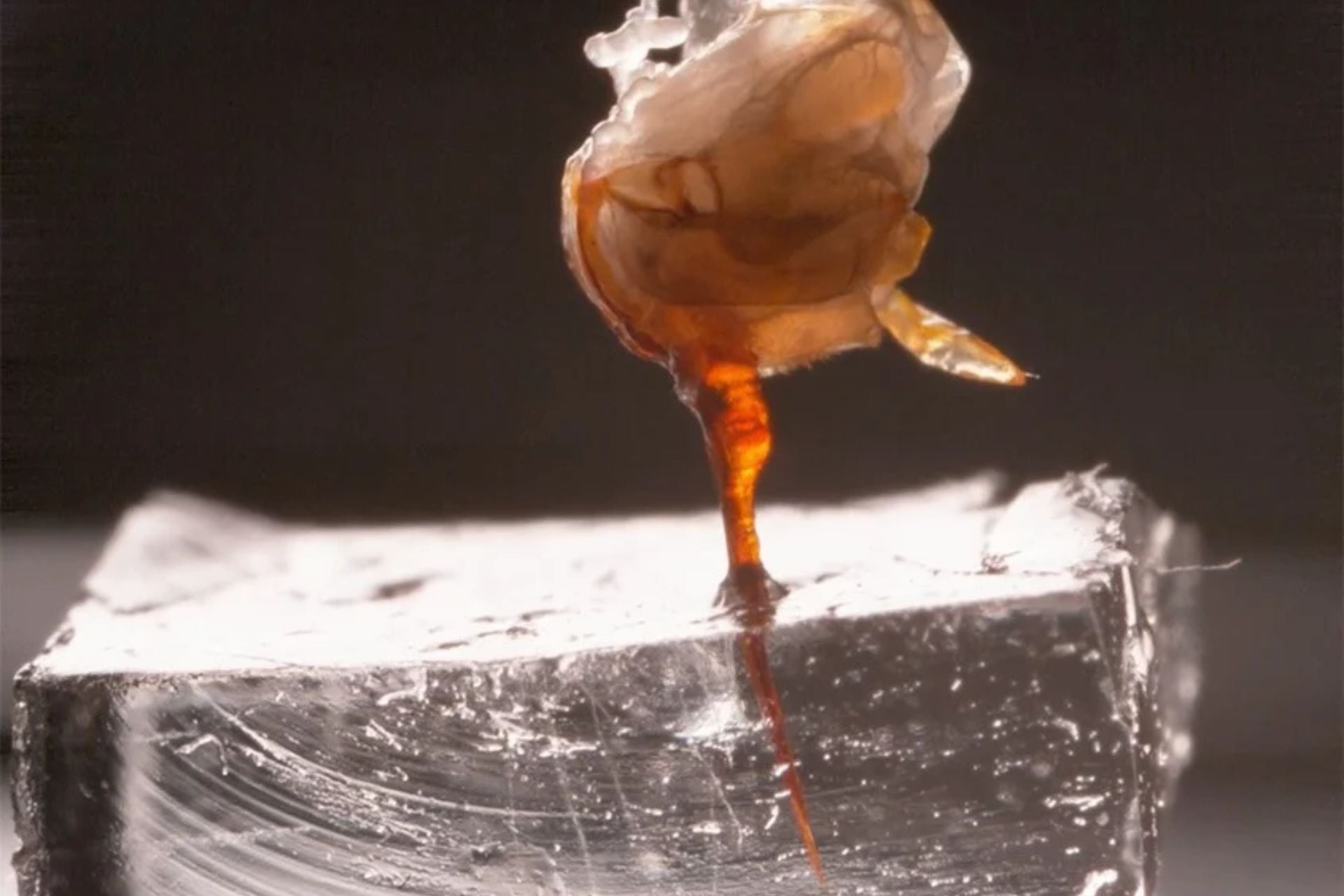
In a first‑of‑its‑kind observation, scientists have documented how a honeybee’s stinger keeps pushing venom into its target even after the insect has pulled away. By employing ultra‑high‑speed cameras, the researchers captured the minute organ in motion, showing that the barbed needle stays active for several seconds, delivering extra toxin while the bee returns to its hive.
The team recorded a live bee as it pierced a prepared surface, then slowed the footage to a frame‑by‑frame playback. Their analysis revealed a tiny muscular pump attached to a venom reservoir; once the stinger is lodged, the pump contracts in a rhythmic pattern, driving more fluid through the narrow channel. The investigators pointed out that this pump works independently, powered by stored energy, and does not rely on the bee’s nervous system remaining engaged.
This discovery explains why some individuals report a spike in pain following the initial sting. Ongoing venom flow can heighten local inflammation and may affect the intensity of allergic reactions. By charting the mechanics, the research paves the way for more efficient antivenom delivery strategies and could inspire micro‑scale medical devices that emulate the bee’s self‑driven injection system.
Stinging has long been recognized as a defensive behavior, with the barbed stinger acting as a one‑way ticket that tears from the bee’s abdomen, often resulting in its death. From an evolutionary standpoint, the prolonged injection likely boosts colony defense by releasing a larger amount of alarm pheromones and toxin to ward off predators. The new evidence confirms that the danger of a sting stems not only from the initial puncture but also from the continued venom discharge.
Upcoming research will seek to measure exactly how much extra venom is expelled during the post‑detachment interval and to determine whether comparable mechanisms occur in other stinging insects. The scientists hope that a deeper understanding of this natural micro‑pump will aid pest‑control methods and biomedical engineering, turning an unpleasant encounter into valuable scientific insight.



Comments (0)
Be the first to comment.
Join the discussion