Grasping the Differences Between PC and Console GPUs
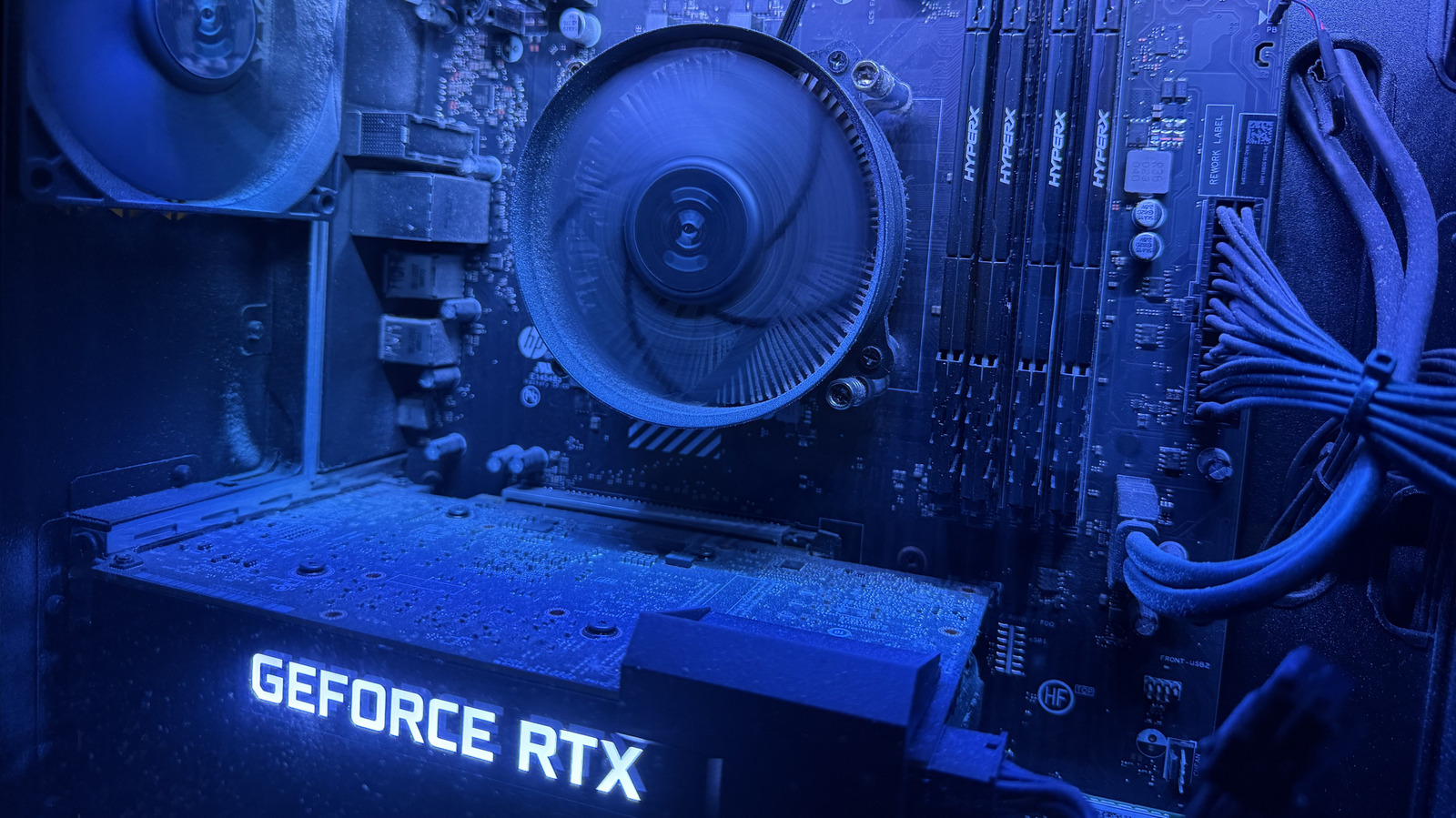
When players pit the visual capabilities of a bespoke PC against those of a contemporary console, the graphics processor emerges as the primary differentiator. Although each system depends on a GPU for image rendering, the design, integration, and support of those chips differ markedly, influencing performance, price and the overall user experience.
In the PC world, graphics cards arrive as standalone units that insert into a universal slot on the motherboard. This modular strategy enables makers to cram numerous compute cores, expansive memory buses, and fast GDDR6 or HBM memory onto one board. Consequently, they can deliver sheer power that often surpasses the fixed silicon present in current consoles, particularly at the top end of the market. Conversely, console GPUs reside within a system‑on‑chip (SoC) that merges the CPU, GPU and assorted controllers onto a single die, favoring efficiency, lower power draw and a compact footprint rather than peak speed.
Looking at development, the unchanging hardware of consoles provides a distinct benefit. Studios are aware of the precise specs they will encounter throughout a console’s lifespan, enabling them to optimise rendering pipelines, shader code and memory allocation for that particular GPU. PC developers, by contrast, must cater to a broad array of graphics cards, driver releases and OS updates, which yields wider compatibility but hampers deep optimisation. This compromise shows up in how patches and performance adjustments are deployed in the two ecosystems.
From the buyer’s perspective, these contrasts shape separate purchasing choices. A console delivers an out‑of‑the‑box experience at a known cost, with its GPU performance fixed and harmonised with the rest of the hardware. Constructing or upgrading a PC, on the other hand, requires picking a GPU that aligns with the other parts, accounting for possibly greater power consumption, and anticipating future upgrades as upcoming games call for more graphical power. While this adaptability can provide superior performance‑for‑the‑dollar in the long run, it also adds complexity and higher initial expense for many consumers.
Looking forward, the boundary separating the two platforms keeps fading. The newest console generation utilizes AMD’s RDNA 2 architecture, the same design present in numerous high‑end PC GPUs, thereby shrinking the performance divide. Simultaneously, progress in APIs like DirectX 12 Ultimate and Vulkan equips PC developers with means to draw greater efficiency from their hardware, mirroring the console’s focus on low‑level optimisation. As both arenas develop, the core difference—modular, upgradeable GPUs versus integrated, fixed‑spec GPUs—will stay a pivotal element influencing game creation and player experience.


Comments (0)
Be the first to comment.
Join the discussion