Google's Gemini 'Spark' Feature Enables Everyday Users to Automate Tasks
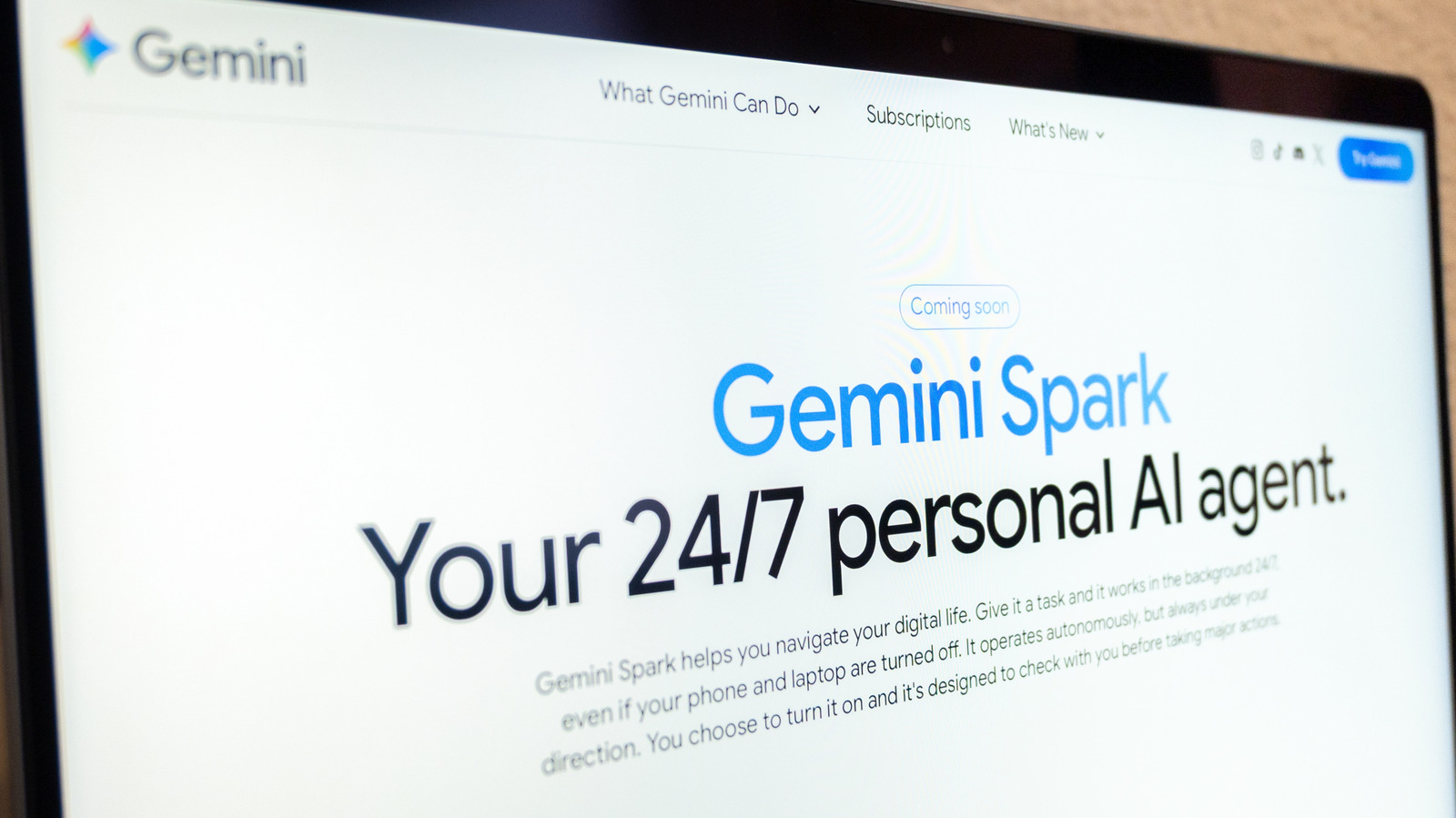
Google unveiled a fresh function inside its Gemini AI suite, called Spark, which lets users assign ordinary digital chores to the system using plain‑language prompts. As noted in a recent Engadget article, the addition is designed to simplify workflows by taking care of tasks like setting up appointments, composing messages, and pulling out data without the user having to intervene.
Gemini, the umbrella name Google uses for its latest generation of generative AI models, rests on the firm’s decades‑long commitment to machine‑learning research. Spark builds on that base by understanding user commands and carrying them out across supported Google services, essentially serving as a virtual aide that can act on the user’s behalf.
The feature’s description notes that Spark interprets natural‑language instructions and converts them into specific operations. For instance, a user could tell it to “set up a meeting with the marketing team next Thursday at 10 a.m.”, prompting Spark to find an available time, generate a calendar entry, and dispatch the invites. This integration spans Gmail, Calendar, Drive and other flagship Google applications, tapping the same backend that drives Google’s search and AI services.
Initial users have observed that Spark is capable of condensing long documents, drafting brief email responses, and extracting important figures from spreadsheets. Automating these routine actions is intended to liberate time for higher‑order tasks, echoing the wider movement toward AI‑driven productivity gains in both personal and workplace settings.
The launch prompts concerns regarding data privacy and the reliability of automated choices. Google stresses that Spark functions within the user’s current permission framework and that its data handling follows the company’s established privacy guidelines, yet analysts warn that wider use will probably invite closer examination of AI’s treatment of sensitive data and the risk of mistakes in task performance.
Looking forward, Google seems ready to broaden Spark’s abilities, perhaps granting third‑party developers access and linking it with more specialized Google services. As the AI competition intensifies, Spark’s performance may steer how rival platforms tackle task automation, molding the upcoming generation of user‑focused AI utilities.



Comments (0)
Be the first to comment.
Join the discussion