Gaming Routers: Flashy Accessories or Real Performance Boosters?
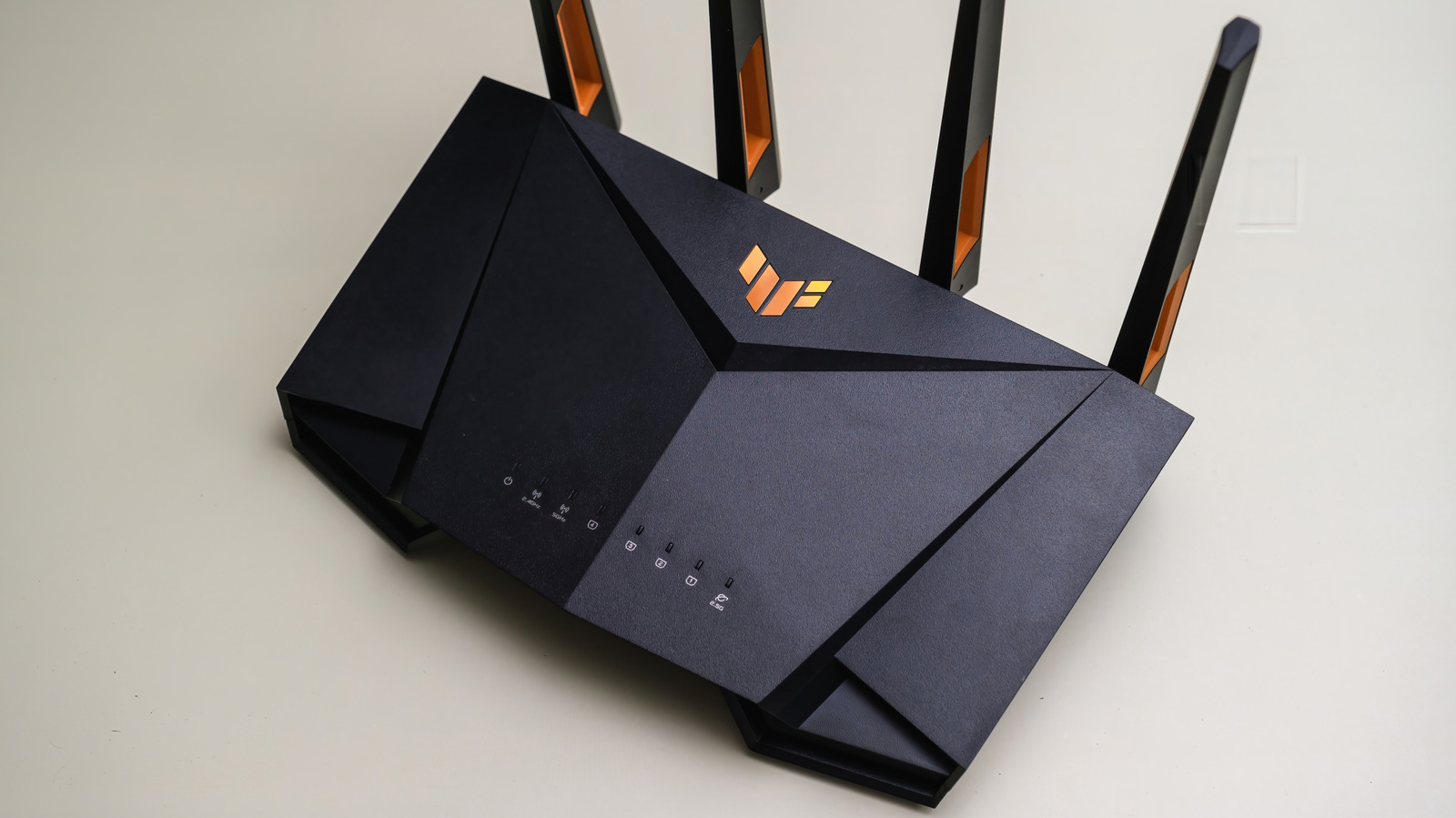
Routers marketed toward gamers have emerged as a visible trend in home networking, featuring eye‑catching aesthetics and a bundle of functions touted as cures for lag‑laden online sessions. Nevertheless, despite the buzz, these units frequently fail to provide a blanket remedy for the many variables that can degrade a household network’s performance.
Vendors typically tout features like sophisticated Quality of Service (QoS) algorithms, dedicated gaming‑bandwidth lanes, and next‑generation Wi‑Fi standards such as Wi‑Fi 6 or Wi‑Fi 6E. Visual flourishes—flashing LEDs, angular chassis, and gamer‑centric branding—are also prevalent, positioning the gear as a badge of honor for enthusiasts. While these specs can yield modest improvements, the internal components of most gaming routers are comparable to those found in high‑end non‑gaming models, meaning the ultimate performance ceiling is often set by elements beyond the router itself.
Hands‑on testing cited by technology publications indicates that the most tangible advantages of a gaming router surface when the surrounding setup is already well‑tuned. A wired Ethernet link, for example, bypasses the bulk of wireless interference and generally delivers the lowest latency, rendering many of the wireless‑focused tricks irrelevant. Even on Wi‑Fi, the gains from newer standards can be throttled by factors such as distance to the access point, wall composition, and the presence of competing networks on adjacent channels.
Network slowdowns usually originate from the broadband provider, the subscribed speed tier, or the sheer count of devices sharing the link. In those scenarios, an upscale router cannot make up for an undersized ISP pipe or congested local traffic. Likewise, mis‑configured settings—like inappropriate channel choices or disabled QoS—can erase any theoretical edge a gaming‑branded router might possess.
For shoppers deliberating a purchase, experts recommend a tiered strategy: first, verify that the ISP plan satisfies the household’s demand; second, locate the router in a central spot and reduce physical barriers; third, favor wired connections for latency‑critical gaming; and finally, opt for a router equipped with strong QoS and Wi‑Fi 6 support if wireless performance remains a priority. Should these steps still fall short, a gaming‑labelled router may deliver modest improvements, but expectations should remain realistic.
Looking forward, the industry is expected to keep folding gaming‑specific capabilities into mainstream routers, narrowing the gap between niche and all‑purpose devices. As Wi‑Fi standards advance and mesh networking gains traction, the focus may shift from ostentatious designs toward intelligent, AI‑driven traffic handling that benefits every user, gamers included.



Comments (0)
Be the first to comment.
Join the discussion