Fossil Capybara Tooth Uncovers Previously Unknown Wet Episode in Atacama History
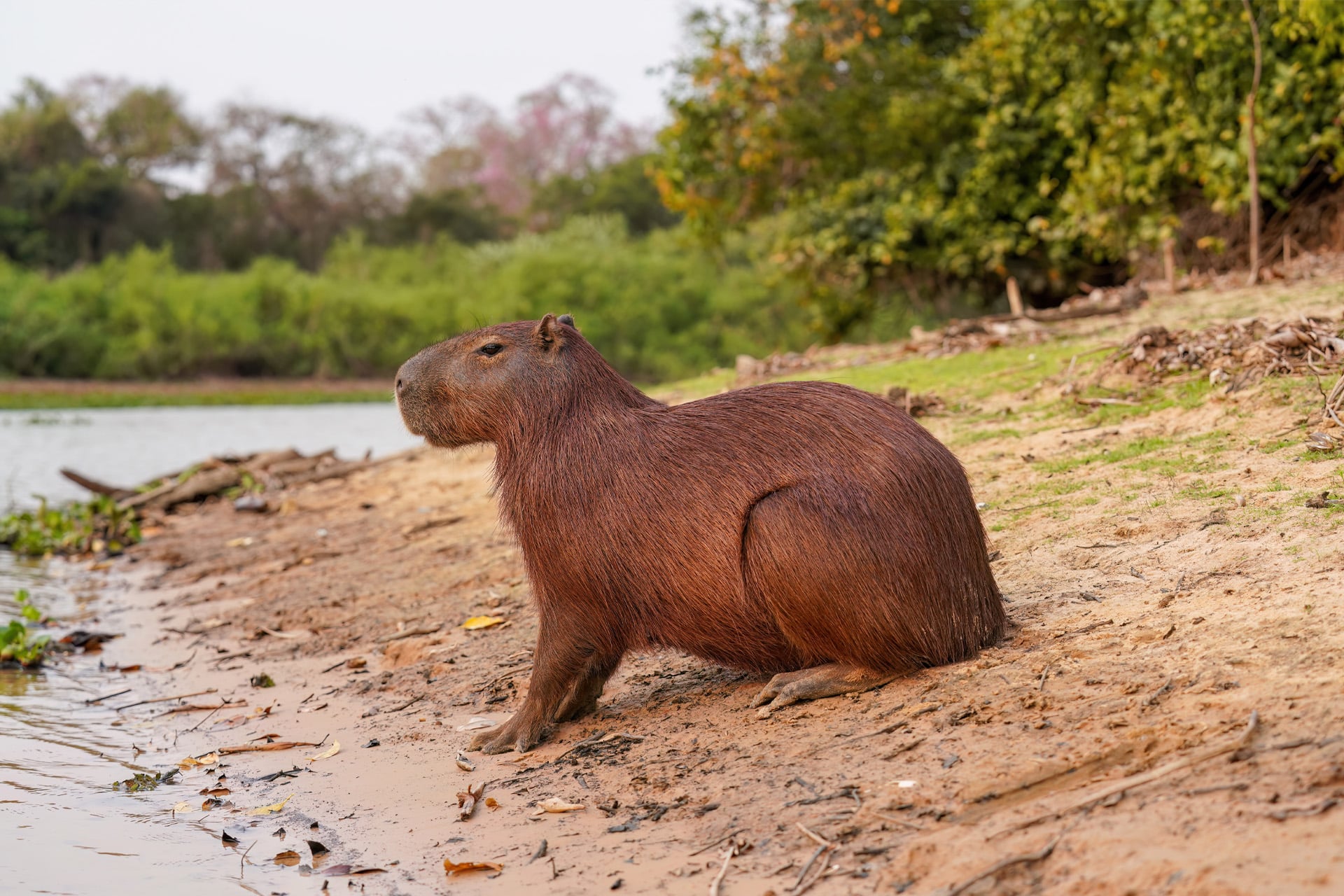
The discovery of one fossilized capybara tooth in Chile’s Atacama Desert is prompting scientists to revise their understanding of the area's climate history, showing that the famously dry basin once endured markedly wetter conditions long ago.
As the biggest extant rodents, capybaras depend on water‑laden environments like riverbanks, marshes and floodplains. Uncovering a tooth of this semi‑aquatic animal far beneath a terrain now celebrated for its stark aridity implies that the desert once harbored ecosystems able to sustain such fauna.
Regarded as the world’s oldest non‑polar desert, the Atacama has served as a reference point for hyper‑arid studies. Traditional models depict the basin as continuously desolate for tens of millennia, punctuated only by short, sporadic wet episodes. This new fossil finding disputes that view, offering a concrete biological indicator of prolonged moisture.
Scientists located the tooth in sedimentary strata that stratigraphic work dates to the late Pleistocene. The encasing matrix holds mineral fingerprints and pollen mixes that align with intermittent lake development and riparian plant life, bolstering the notion of a wetter setting than earlier presumed.
Although this find does not overturn the whole Atacama climate chronology, it contributes an essential data point that could trigger a reassessment of regional paleo‑environmental models. The presence of sizable, water‑reliant mammals indicates that rainfall, groundwater, or surface water bodies were considerably greater during that period.
Upcoming field campaigns intend to uncover more faunal fossils and to sharpen the deposit’s age through radiometric dating. Merging these results with current ice‑core, lake‑sediment and speleothem records may illuminate the timing, length and causes of the desert’s wet intervals, providing wider understanding of how extreme habitats react to global climate shifts.


Comments (0)
Be the first to comment.
Join the discussion