Former Blade Director Bassam Tariq Looks Back on Missed Vision and Lessons from a Brief MCU Stint
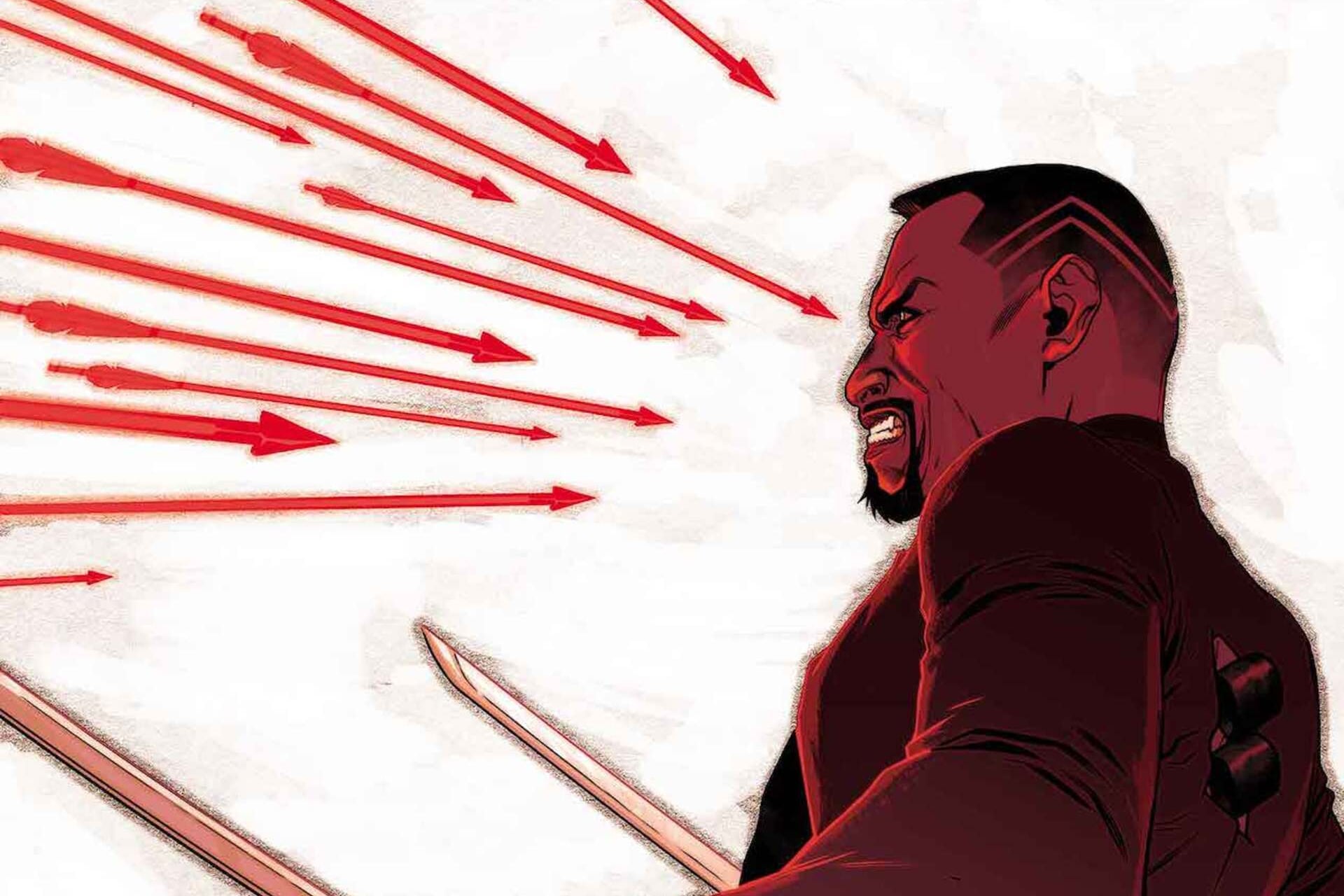
Hollywood filmmaker Bassam Tariq, who was the first director linked to Marvel Studios' reboot of the vampire‑hunter franchise Blade, recently discussed his brief involvement and the creative limits that prevented his version of the movie from moving forward.
Tariq, known for the acclaimed indie drama "The Last Black Man in San Francisco," entered the Blade project during its early development stage, a time when Marvel was still defining the darker, more adult‑oriented tone the character requires. In a conversation he noted that, although the studio’s enthusiasm was clear, the swift decision‑making pace and the weight of Blade’s legacy restricted his capacity to leave a personal stylistic mark on the script.
He said the experience taught him that operating within the Marvel Cinematic Universe requires a different set of expectations than independent filmmaking. "You have to balance a massive, interconnected narrative while still trying to tell a personal story," he noted, emphasizing that the learning curve was steep but ultimately valuable for his growth as a director.
Marvel’s Blade, now slated to star Mahershala Ali, has seen several shifts in creative leadership since Tariq’s exit, including an earlier stint by Guillermo del Toro and a later transition to a new director who will shepherd the final production. The franchise’s revival fits into a broader MCU plan to diversify its slate with edgier characters, following the success of recent titles that blend superhero mythos with horror and thriller elements.
Industry observers point out that Tariq’s brief tenure reflects a common pattern in large‑scale franchise filmmaking, where directors may join a project only to be replaced due to shifting corporate priorities, budgetary considerations, or creative differences. While Tariq did not receive credit on the finished film, he said the window he had allowed him to see how the studio’s internal processes function and how they negotiate creative risk.
Looking ahead, Tariq expressed optimism about applying the insights he gained to future projects, whether within the Marvel ecosystem or in the independent arena. He highlighted the importance of clear communication, realistic expectations, and the willingness to adapt when collaborating with a studio that balances artistic ambition with commercial imperatives.
Fans of the Blade character, who first appeared on screen in the late 1990s, remain eager to see how the new iteration will reinterpret the anti‑hero for a contemporary audience. Tariq’s reflections add a behind‑the‑scenes perspective to the ongoing conversation about how legacy properties are reimagined in the era of shared universes, underscoring the delicate dance between creative vision and corporate oversight.

Comments (0)
Be the first to comment.
Join the discussion