FAA Ends Nationwide Flight Halt, Blames Outdated ATC System
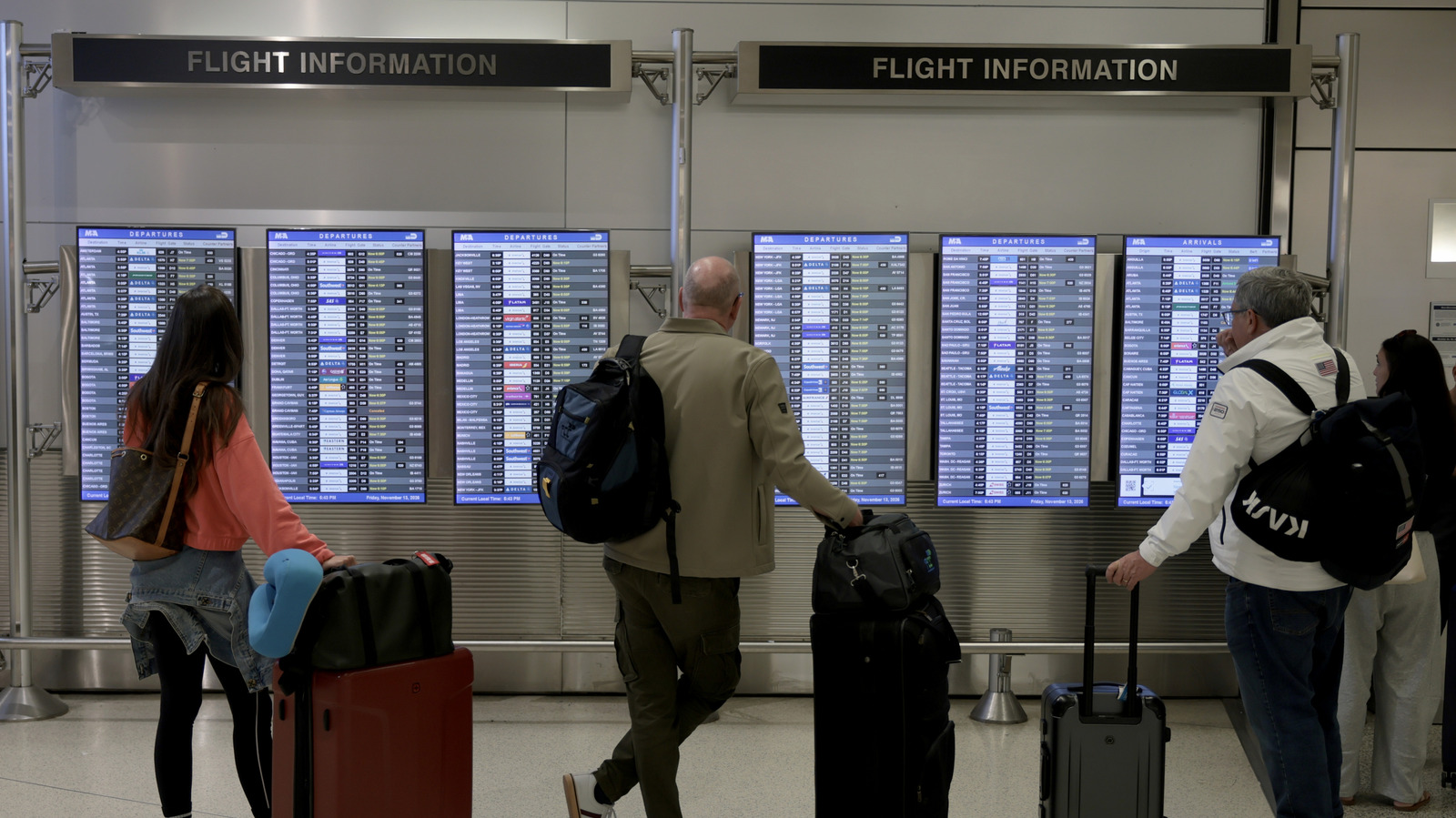
The Federal Aviation Administration disclosed on Sunday that the nationwide grounding of commercial flights that started early on November 13 has now been lifted, permitting airlines to restart operations throughout the United States. The outage, which persisted for several hours, left thousands of travelers stuck in terminals and delayed a sizable share of the day's scheduled flights.
Transportation Secretary Pete Baghdad told reporters at a briefing that the halt stemmed from the aging and faulty air‑traffic‑control (ATC) system that supports the nation’s airspace. He cautioned that the event underscores long‑standing worries about equipment reliability, which many specialists say has not kept up with present traffic levels.
The FAA said the ground stop was initiated after controllers detected a series of technical glitches in radar and communications equipment at multiple major en‑route centers. The agency triggered its emergency procedures, issuing a nationwide “ground stop” directive to keep aircraft from departing until the problems could be isolated and resolved. By mid‑afternoon, engineers had repaired the affected systems and normal flight clearances were back in effect.
Around 2,000 flights were impacted, leaving passengers stranded coast‑to‑coast and forcing airlines to rebook or cancel itineraries. Major carriers including American, Delta and United reported a cascade of delays that could spill into the next day as crews and aircraft are rearranged to clear the backlog. Consumer‑advocacy groups have demanded more transparency regarding the age and maintenance condition of ATC infrastructure, pointing out that comparable outages have occurred in recent years.
Officials indicated the FAA will undertake a thorough review of the episode and speed up scheduled upgrades to the national air‑traffic‑control network, such as deploying satellite‑based navigation and next‑generation radar. Although the agency has promised additional funding, critics contend that decades of under‑investment have left the system prone to failures. The forthcoming steps are expected to include congressional hearings and possible legislative measures to obtain the resources required to modernize the backbone of U.S. aviation safety.


Comments (0)
Be the first to comment.
Join the discussion