DNA Study Shows Ancient European Traveler Harbored Uncommon Leprosy Variant
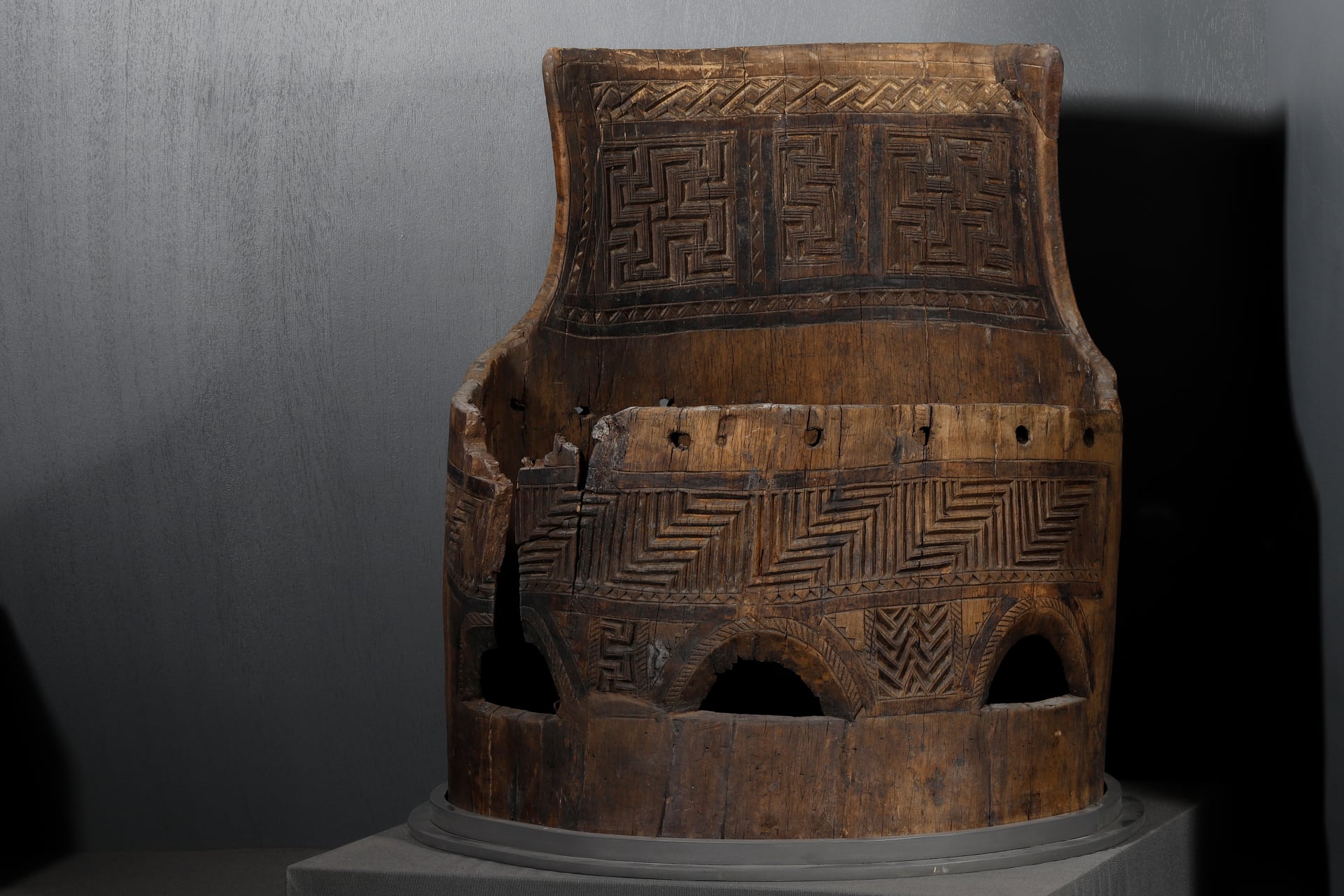
Researchers who examined a collection of skeletal remains dated to about 1,600 years ago discovered that the individual had journeyed across extensive parts of Europe and was infected with a rare genetic form of leprosy, indicating that both the host and the pathogen were highly mobile in late antiquity.
The bones, unearthed from a burial site in central Europe, underwent high‑resolution ancient DNA sequencing. Scientists retrieved both the human nuclear genome and fragments of Mycobacterium leprae, the bacterium responsible for leprosy. The bacterial DNA belongs to a lineage seldom seen in Europe’s archaeological record, implying the disease likely arrived from a far‑off region together with its carrier.
Genomic profiling of the man’s ancestry reveals a mixed background that does not correspond to the local population of the burial location. Certain genetic markers linked to mobility—alleles common among groups engaged in long‑distance trade—suggest he was not a stationary farmer but rather a mobile individual, perhaps a merchant, soldier or migrant.
Although leprosy has historically been associated with stigma and isolation, finding a rare strain in this person challenges the view that the disease was confined to marginal communities in the early medieval era. It instead points to the bacterium spreading along the same channels that moved goods and ideas, such as Roman roads, river trade routes, and emerging pilgrimage pathways.
The authors stress that leprosy was probably not the direct cause of death. The burial context reflects a conventional interment, and no skeletal lesions typical of advanced leprosy were detected. This suggests the individual lived with the infection for a period but succumbed to other, possibly unrelated, health problems.
These results add a fresh perspective on disease dynamics in antiquity, showing how pathogens could ride on human movement long before modern times. They also highlight the importance of combining paleogenomics with archaeological context to reconstruct the lives of people who left only fragmentary remains.
Future investigations plan to chart more ancient leprosy genomes across Europe and adjacent areas, which may uncover wider transmission patterns and clarify how early strains interacted with the evolving social and economic landscapes of the post‑Roman world.



Comments (0)
Be the first to comment.
Join the discussion