Book‑Style vs. Clamshell Foldables: Which Is Better for Everyday Use?
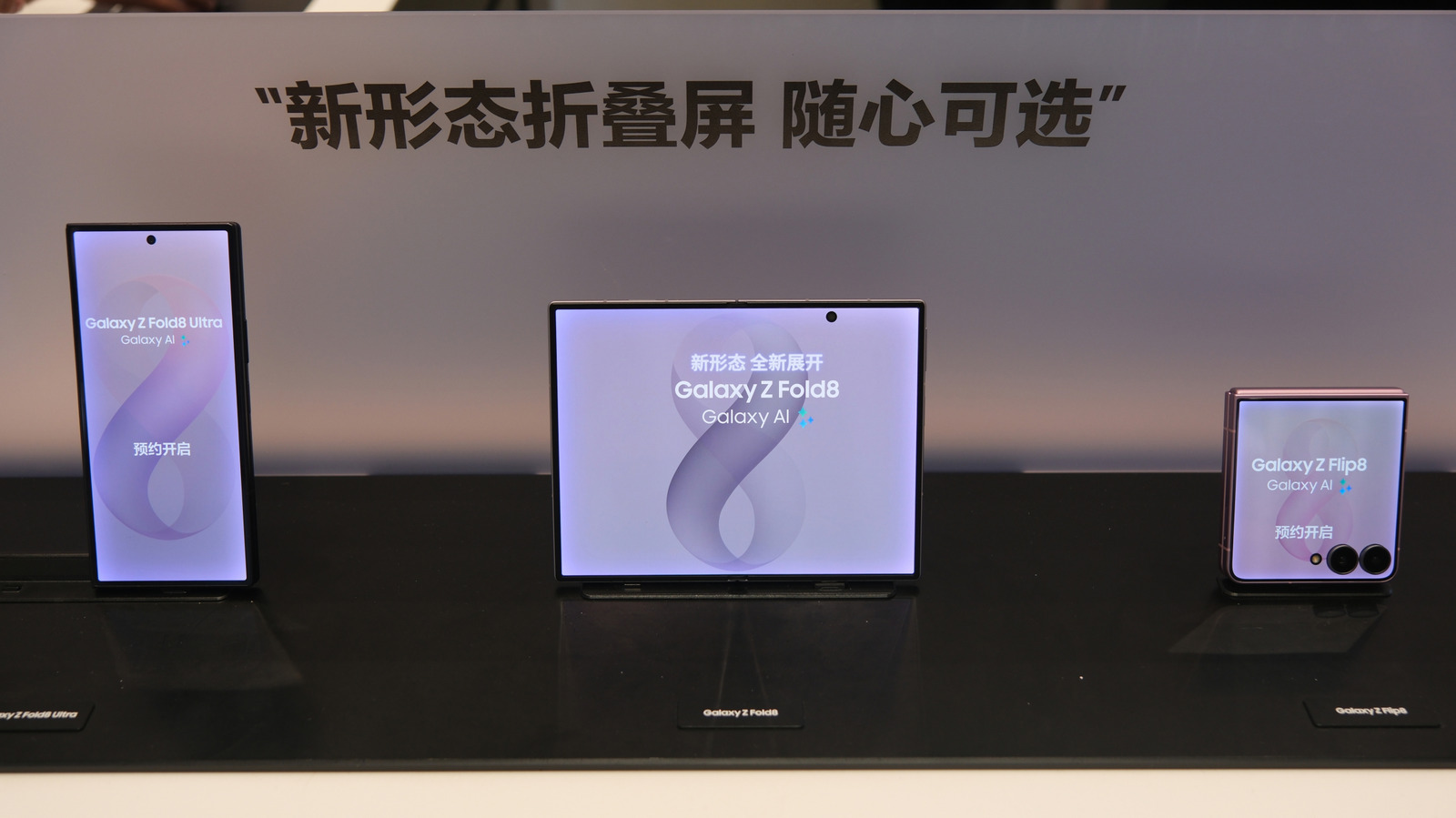
The newest wave in smartphones places two separate foldable concepts in competition: book‑style devices that unfold like a classic laptop and clamshell versions that close with the snap of a flip phone. Each offers a bigger display while staying pocket‑friendly, yet both involve compromises that impact daily usefulness.
Book‑style foldables usually feature a generous interior screen that competes with ordinary tablets, providing immersive video and robust multitasking. The downside is that their hinges have to survive continual full‑width folds, prompting worries about lasting durability and dust entry. Makers address these issues by strengthening the hinge and adding water‑resistant seals, but the increased size can still make the phone feel cumbersome when opened.
Clamshell variants, on the other hand, focus on staying compact. Their external cover screen—typically a smaller panel—manages alerts and brief actions, while the internal display opens to a size that remains smaller than that of book‑style models. The outer shell protects the primary screen when shut, lowering the risk of scratches. The compromise is reduced screen area for activities such as video editing or gaming, and the fold may feel less smooth because of the limited hinge movement.
Buyers’ choices depend on how they weigh these considerations. People who favor marathon streaming, on‑the‑go productivity apps, or a tablet‑style feel are likely to opt for the book design even with its added weight. Individuals who prefer rapid one‑handed use, a pocket‑sized profile, and reduced chances of screen harm tend to choose the clamshell. Cost differences also appear, as book‑style units usually carry a higher price tag due to bigger panels and more intricate engineering.
Analysts observe that both styles are still evolving, and upcoming versions are expected to fix existing drawbacks. Advances in hinge design, lighter construction, and software tweaks could shrink the performance divide, offering buyers more options without compromising dependability. As new models hit the market, consumers ought to examine their usual habits—whether they require a mobile workstation or a slim, pocket‑ready gadget—before selecting the foldable form that best fits their everyday routine.
Comments (0)
Be the first to comment.
Join the discussion